
-
About UsQingdao Qianchuan Woodworking Machinery Co. Ltd (Qianchuan for short) was founded in 1992,which is a modern professional enterprise and gathers designing, manufacturing and selling woodworking machineries.

-
-
NewsQingdao Qianchuan Woodworking Machinery Co. Ltd (Qianchuan for short) was founded in 1992,which is a modern professional enterprise and gathers designing, manufacturing and selling woodworking machineries.


News Center
Solid Wood Panel Sanding Machine Supports High Quality Wood Manufacturing
Release time:
2026-02-27 08:57
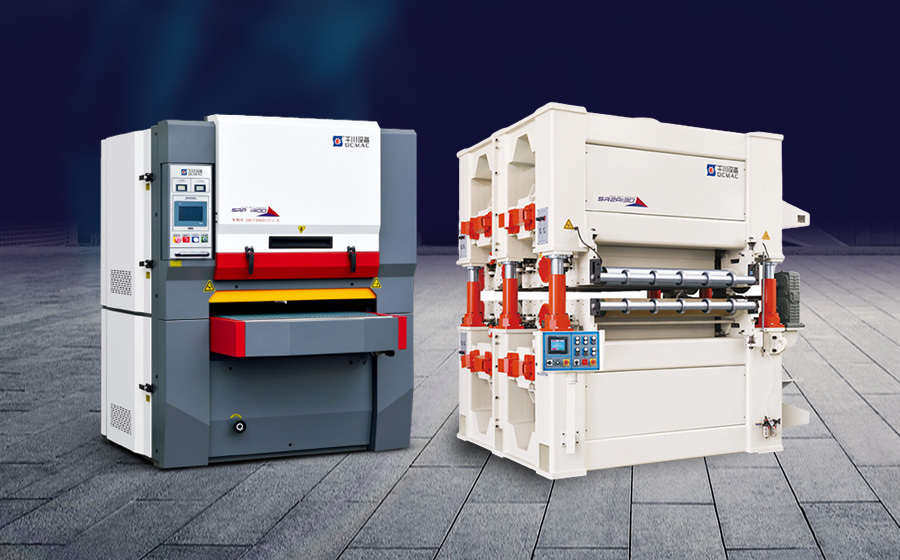
As global demand for premium furniture and customized interior decoration continues to rise, manufacturers are placing greater emphasis on surface quality and dimensional precision. The solid wood panel sanding machine has become an essential solution for enterprises seeking consistent finishing, accurate calibration, and improved production efficiency. With advanced automation and stable performance, this equipment is playing a vital role in modern wood processing facilities.
A solid wood panel sanding machine is specifically engineered to process natural wood boards with varying density and grain structure. Unlike composite materials, solid wood requires careful sanding control to avoid surface damage or uneven thickness. The machine integrates precise feeding systems, balanced sanding rollers, and adjustable pressure mechanisms to ensure smooth and uniform results.
One of the primary advantages of the solid wood panel sanding machine lies in its ability to deliver accurate thickness calibration. Through digital measurement systems and fine adjustment functions, manufacturers can achieve strict tolerance standards required for high end furniture components. Consistent thickness not only enhances product appearance but also simplifies subsequent assembly and coating processes.
Surface finishing is another critical aspect in solid wood production. The solid wood panel sanding machine uses optimized abrasive belt configurations and multiple sanding heads to remove imperfections while preserving natural wood texture. This balance between material removal and surface protection is essential for maintaining the aesthetic value of natural wood grain.
In addition to performance precision, operational efficiency is a key consideration. Modern solid wood panel sanding machine models are designed for continuous industrial use. Heavy duty frames and reliable transmission systems allow stable operation under long working hours. Automatic feeding and discharge systems reduce manual handling and improve overall productivity.
Environmental protection and workplace safety have also become central to equipment design. Advanced dust extraction systems integrated into the solid wood panel sanding machine effectively capture fine wood particles generated during operation. This not only ensures cleaner workshop conditions but also protects workers and extends equipment lifespan. Energy efficient motors further contribute to reduced power consumption and sustainable production practices.
Flexibility is another important feature that enhances competitiveness. The solid wood panel sanding machine can be configured to accommodate various panel sizes and thickness ranges. Adjustable speed control and pressure settings enable manufacturers to process different wood species, from soft pine to dense hardwood, while maintaining consistent sanding quality.
With the growing trend of intelligent manufacturing, many solid wood panel sanding machine systems are now compatible with digital monitoring platforms. Real time data tracking of thickness variation, sanding pressure, and machine status supports preventive maintenance and optimized workflow management. This integration strengthens operational reliability and reduces unexpected downtime.
Cost effectiveness remains a decisive factor for manufacturers. Although investment in a high quality solid wood panel sanding machine may require significant capital, its long term benefits are substantial. Improved product consistency, reduced rework rates, and lower labor dependency lead to enhanced profitability and stronger market competitiveness.
As industry standards continue to evolve, customer expectations for flawless wood surfaces are becoming more demanding. The solid wood panel sanding machine enables manufacturers to meet these expectations through stable performance, precise calibration, and efficient operation. It not only improves production capability but also elevates overall product value in the global wood processing market.
Looking ahead, ongoing technological innovation will further enhance automation, digital control, and environmental performance in sanding equipment. The solid wood panel sanding machine will remain at the forefront of this transformation, supporting sustainable development and high quality manufacturing in the solid wood industry.
Related News
A Comparative Review of Popular Thickness Sanding Machines in the Market
A Comparative Review of Popular Thickness Sanding Machines in the Market Introduction to Thickness Sanding Machines Thickness sanding machines play a crucial role in woodworking, allowing craftsmen to achieve smooth finishes on wood surfaces. These machines are designed to remove material from the surface of the wood, ensuring uniformity in thickness. In this article, we will explore the top thick
Essential Guide to Sanding Equipment for Paint Sanding: Enhancing Your Finishing Process
When it comes to paint sanding, the right sanding equipment can significantly impact the quality of your finish and the efficiency of your workflow. Understanding the various types of sanding equipment for paint sanding can help professionals make informed decisions, streamline processes, and achieve superior results. Sanding equipment primarily includes hand-held tools and machines designed to sm

QingDao QianChuan Woodworking Machinery Co., Ltd.
Tel: 400-008-0088
mailbox: sales@qianchuanshebei.cn
Add: No.10, 3Rd Wanan Road, Shibei District, Qingdao, P.R.C
Copyright©2023 QingDao QianChuan Woodworking Machinery Co., Ltd. Seo