
-
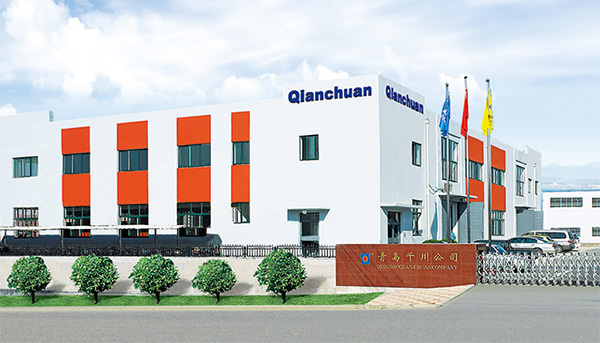
About UsQingdao Qianchuan Woodworking Machinery Co. Ltd (Qianchuan for short) was founded in 1992,which is a modern professional enterprise and gathers designing, manufacturing and selling woodworking machineries.
-
-
NewsQingdao Qianchuan Woodworking Machinery Co. Ltd (Qianchuan for short) was founded in 1992,which is a modern professional enterprise and gathers designing, manufacturing and selling woodworking machineries.


News Center
Elevate Your Craft: How a Sanding Machine Enhances Calcium Silicate Board Finishing
Release time:
2026-02-15 13:30
Elevate Your Craft: How a Sanding Machine Enhances Calcium Silicate Board Finishing
Introduction
In the world of construction and interior design, the quality of finishing plays a crucial role in the overall appeal and durability of materials. One such material that has gained immense popularity is **calcium silicate board**. Known for its fire resistance, moisture control, and versatility, calcium silicate board is a preferred choice for both residential and commercial applications. However, to achieve the desired finish, proper techniques and tools are essential. This is where **sanding machines** come into play. In this article, we will delve deep into how sanding machines enhance the finishing process of calcium silicate boards, ensuring a polished and professional result.
Table of Contents
- Understanding Calcium Silicate Board
- Importance of Finishing in Construction
- The Role of Sanding Machines in Finishing
- Types of Sanding Machines for Calcium Silicate Board
- Benefits of Using a Sanding Machine
- Choosing the Right Sanding Machine for Your Project
- Best Practices for Sanding Calcium Silicate Board
- Common Mistakes to Avoid When Sanding
- Conclusion
- FAQs
Understanding Calcium Silicate Board
Calcium silicate board, a composite material made from calcium, silica, and reinforcement fibers, serves as a versatile option for various construction needs. Its high thermal resistance, low thermal conductivity, and moisture resistance make it suitable for use in humid environments and fire-prone areas. Additionally, calcium silicate boards are lightweight, making them easy to handle and install. Their smooth finish provides an ideal surface for paint, wallpaper, or other decorative materials.
Importance of Finishing in Construction
Finishing is a critical phase in any construction or renovation project. It not only enhances the aesthetic appeal but also contributes to the longevity and durability of the materials used. Proper finishing helps to:
- **Improve Aesthetics**: A well-finished surface elevates the overall appearance, making the space more inviting and cohesive.
- **Increase Durability**: Effective finishing techniques can protect surfaces from wear and tear, ensuring a longer lifespan.
- **Facilitate Maintenance**: Smooth surfaces are easier to clean and maintain, which is especially important in high-traffic areas.
- **Enhance Safety**: Properly finished surfaces reduce the risk of accidents due to rough edges or splinters.
The Role of Sanding Machines in Finishing
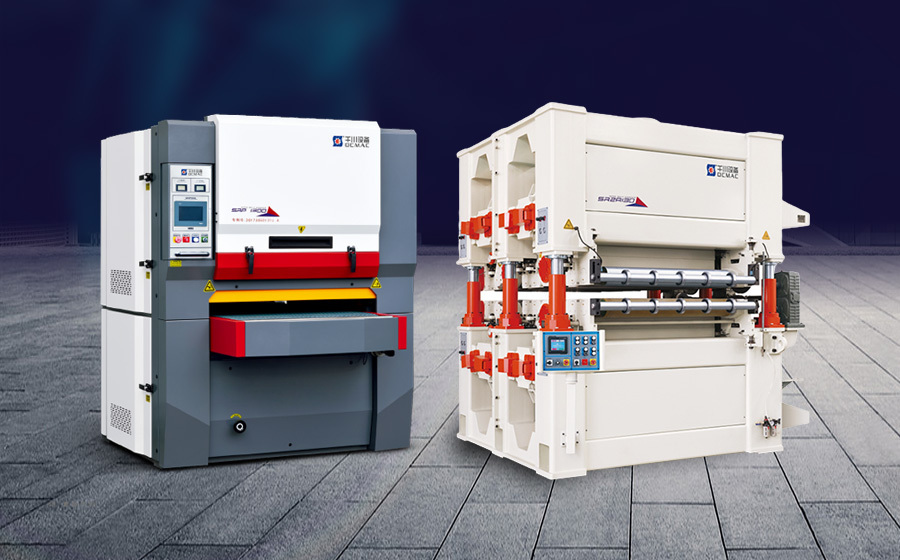
Sanding machines play a vital role in the finishing process of calcium silicate boards. These machines are designed to smooth surfaces, remove imperfections, and prepare materials for subsequent treatments like painting or sealing. By using a sanding machine, professionals can achieve a uniform surface that enhances the overall quality of the finished product.
Types of Sanding Machines for Calcium Silicate Board
When it comes to sanding calcium silicate board, several types of sanding machines are available, each designed for specific applications. Here are the most common types:
1. Orbital Sanders
Orbital sanders are versatile tools that use a circular sanding pad to move in an orbital pattern. They are ideal for smoothing out surfaces and removing minor imperfections on calcium silicate boards.
2. Belt Sanders
Belt sanders utilize a continuous loop of sandpaper to quickly remove material. They are particularly effective for large surfaces and heavy-duty applications where significant material removal is required.
3. Detail Sanders
Detail sanders are designed for precision work, especially in tight corners and intricate designs. They are perfect for finishing edges and ensuring no area goes untouched.
4. Drum Sanders
Drum sanders are used for larger projects and can handle thick materials. They provide a consistent finish and are often employed in industrial settings.
Benefits of Using a Sanding Machine
Investing in a sanding machine for your calcium silicate board finishing brings numerous advantages:
1. Time Efficiency
Sanding machines significantly reduce the time required to finish surfaces compared to manual sanding methods. Professionals can complete projects faster, leading to increased productivity.
2. Consistent Results
Machines provide a uniform finish that is difficult to achieve with hand sanding. This consistency is crucial for maintaining quality standards in professional projects.
3. Easier Material Removal
Sanding machines can remove material more effectively, allowing for a smoother finish. This capability is particularly beneficial when dealing with rough or uneven surfaces.
4. Reduced Labor Intensity
Using a sanding machine reduces physical strain on workers, making the sanding process less labor-intensive and safer.
Choosing the Right Sanding Machine for Your Project
Selecting the appropriate sanding machine for your calcium silicate board project can make a significant difference in the outcome. Consider the following factors when making your choice:
1. Project Size
For larger projects, a belt or drum sander may be more effective, while smaller tasks may only require an orbital or detail sander.
2. Surface Type
Different sanding machines are better suited for various surface types. Assess the condition of the calcium silicate boards and choose accordingly.
3. Power Source
Consider whether you prefer a corded or cordless model. Cordless sanders offer greater mobility, while corded models generally provide more power.
4. Budget
Choose a machine that fits your budget while still meeting your project needs. Investing in a reliable brand often pays off in the long run.
Best Practices for Sanding Calcium Silicate Board
To achieve the best results when sanding calcium silicate boards, follow these best practices:
1. Prepare the Workspace
Ensure that your workspace is clean and free from debris. A clutter-free environment helps prevent accidents and ensures a smooth sanding process.
2. Use the Right Sandpaper Grit
Start with a coarser grit sandpaper to remove imperfections, then gradually transition to finer grits for a smooth finish. This technique helps achieve the best results.
3. Maintain Consistent Pressure
Avoid applying too much pressure, as this can damage the board. Instead, allow the machine to do the work and maintain a steady, even motion.
4. Regularly Check for Dust Build-Up
Dust can accumulate during sanding, affecting the quality of the finish. Clean the surface and change sandpaper as needed to ensure optimal performance.
Common Mistakes to Avoid When Sanding
Even seasoned professionals can make mistakes when sanding. Here are some common pitfalls to avoid:
1. Skipping Grit Levels
Failing to progress through grit levels can lead to an uneven finish. Always start with coarse grit and gradually move to finer grits.
2. Overlooking Safety Precautions
Sanding generates dust and debris, which can be harmful to health. Always wear protective gear, including masks and goggles, and ensure adequate ventilation.
3. Neglecting the Machine Maintenance
Regularly maintaining your sanding machine ensures optimal performance. Check for wear and tear, and replace parts as necessary.
Conclusion
Incorporating a sanding machine into your calcium silicate board finishing process can significantly enhance the quality and efficiency of your work. The right machine, combined with proper techniques and practices, enables you to achieve a flawless finish that not only looks professional but also adds to the durability of the material. As you elevate your craft, remember that investing in quality tools and honing your skills will yield the best results and set you apart in the competitive world of construction and design.
FAQs
1. What is calcium silicate board used for?
Calcium silicate board is commonly used for fireproofing, insulation, and as a substrate for various finishes in construction projects.
2. How do I choose the right sanding machine?
Consider factors such as project size, surface type, power source, and budget when selecting a sanding machine.
3. Can I sand calcium silicate board by hand?
While it is possible to sand by hand, using a sanding machine will yield more consistent and efficient results.
4. What grit sandpaper should I use for calcium silicate board?
Start with a coarse grit (around 80-120) for initial sanding, then move to finer grits (220-400) for a smooth finish.
5. Is it necessary to wear protective gear when sanding?
Yes, wearing protective gear such as masks and goggles is essential to safeguard against dust and debris generated during sanding.
Related News
Comparing Electric Sanding Machines: Which is Best for Calcium Silicate Boards?
Comparing Electric Sanding Machines: Which is Best for Calcium Silicate Boards? When it comes to working with calcium silicate boards, choosing the right electric sanding machine can significantly impact the quality of your finish. These boards, known for their fire resistance, moisture resistance, and sound insulation, are commonly used in construction and renovation projects. They require proper
Improving Particle Board Surface Finishing with More Consistent Sanding
best particle board sanding machine factories provide efficient equipment for smooth, consistent, and high-quality panel finishing.
Floating Sanding Machine for Stable Thickness Control and Efficient Wood Panel Processing
The newest floating sanding machine china offers efficient, stable sanding for woodworking panels and surface finishing.

QingDao QianChuan Woodworking Machinery Co., Ltd.
Tel: 400-008-0088
mailbox: sales@qianchuanshebei.cn
Add: No.10, 3Rd Wanan Road, Shibei District, Qingdao, P.R.C
Copyright©2023 QingDao QianChuan Woodworking Machinery Co., Ltd. Seo