
-
About UsQingdao Qianchuan Woodworking Machinery Co. Ltd (Qianchuan for short) was founded in 1992,which is a modern professional enterprise and gathers designing, manufacturing and selling woodworking machineries.

-
-
NewsQingdao Qianchuan Woodworking Machinery Co. Ltd (Qianchuan for short) was founded in 1992,which is a modern professional enterprise and gathers designing, manufacturing and selling woodworking machineries.


News Center
The Essential Guide to Choosing a Piano Key Sanding Machine
Release time:
2026-02-19 18:00
The Essential Guide to Choosing a Piano Key Sanding Machine
When it comes to woodworking, particularly in piano manufacturing, **selecting the right sanding machine is crucial**. A piano key sanding machine not only enhances the aesthetics of your projects but also ensures precision and quality in the finishing touches. This guide will delve deeply into the factors to consider when choosing a piano key sanding machine, helping you make an informed decision that suits your specific needs.
Table of Contents
- Understanding the Piano Key Sanding Machine
- Key Features to Consider
- Types of Piano Key Sanding Machines
- Setting Your Budget for a Sanding Machine
- Essential Brands and Manufacturers
- Maintaining Your Sanding Machine for Longevity
- Common Issues and How to Solve Them
- Frequently Asked Questions
Understanding the Piano Key Sanding Machine
A piano key sanding machine is designed specifically to shape and finish the keys of a piano. These machines enable woodworkers to achieve smooth and consistent surfaces on piano keys, which is essential for both aesthetic and functional purposes. **Understanding the mechanics and features** of these machines can greatly enhance your selection process and ultimately your woodworking results.
Key Features to Consider
When selecting a piano key sanding machine, several key features should influence your decision:
1. Motor Power and Speed
The motor's power is a significant factor in determining the machine's efficiency. A powerful motor allows for faster sanding, making it easier to work on multiple keys in a shorter amount of time. Look for machines with adjustable speeds for greater versatility in sanding different types of wood.
2. Size and Portability
The size of your sanding machine can affect its usability. If you have limited workspace, consider a portable model that can be easily stored when not in use. However, larger machines often offer more stability and can handle bigger projects more efficiently.
3. Sandpaper Compatibility
Different sanding machines may require specific types of sandpaper. Ensure that your machine can accommodate various grits of sandpaper so you can achieve the desired finish. **Interchangeable sandpaper options** can also add to the machine’s versatility.
4. Dust Collection System
A good dust collection system is essential for maintaining a clean workspace and ensuring the health of the user. Machines equipped with efficient dust collection mechanisms minimize mess and improve visibility during the sanding process.
5. Ease of Use
Consider how user-friendly the machine is. Look for features such as easy-to-use controls, quick setups, and clear instructions. A machine that is simple to operate will make the sanding process more enjoyable, especially for beginners.
Types of Piano Key Sanding Machines
Understanding the different types of piano key sanding machines available can help you choose the right one for your needs:
1. Belt Sanders
Belt sanders are powerful machines that utilize a continuous loop of sandpaper to effectively remove material from wood surfaces. They are ideal for initial shaping but may require finer finishing afterward.
2. Orbital Sanders
Orbital sanders are perfect for achieving a smooth finish on piano keys. They move in a circular motion, allowing for effective sanding without leaving deep scratches. These machines are often preferred for final touch-ups.
3. Wide Belt Sanders
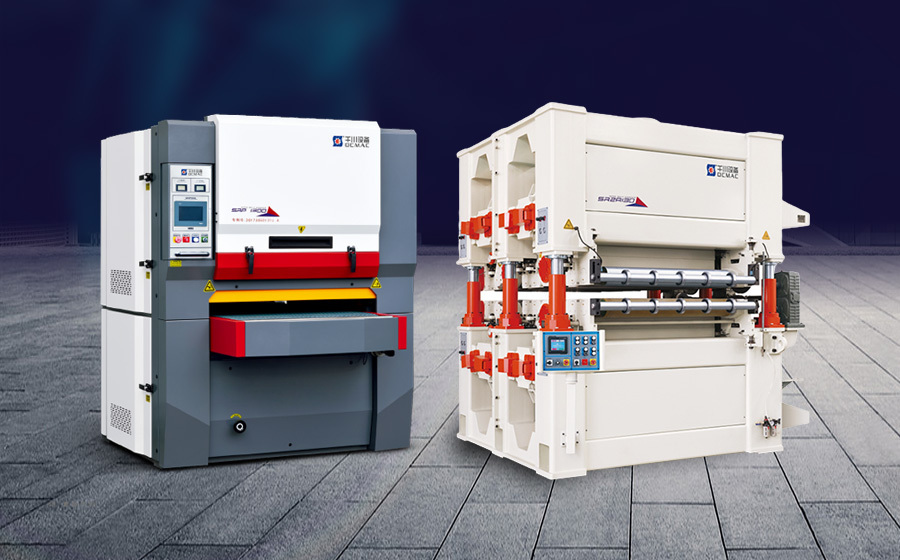
Wide belt sanders are designed for large-scale projects and are capable of handling multiple piano keys simultaneously. These machines provide a consistent finish across the surface, making them suitable for professional settings.
Setting Your Budget for a Sanding Machine
Determining your budget is a critical step in selecting a piano key sanding machine. Prices can vary widely based on features, brand, and quality. Here are some things to consider when setting your budget:
1. Analyze Your Needs
Consider how often you will use the machine and for what types of projects. If you’re a hobbyist, investing in an entry-level machine may suffice. On the other hand, professionals may need to allocate more funds for a high-quality machine.
2. Research and Compare Prices
Spend time researching various models and comparing prices. Look for reviews and testimonials from other users to gauge the value and performance of different machines within your budget.
3. Factor in Long-Term Costs
Beyond the initial purchase price, consider the long-term costs associated with maintenance, replacement parts, and consumables like sandpaper. Investing a bit more upfront in a durable machine can save you money down the line.
Essential Brands and Manufacturers
Several reputable brands specialize in manufacturing quality sanding machines. Here are a few to consider:
1. Festool
Renowned for their innovative designs and superior performance, Festool machines are ideal for professionals seeking reliability and precision in their sanding tasks.
2. Makita
Makita offers a wide range of sanding machines that balance quality and affordability. Their machines are suitable for both amateur woodworkers and seasoned professionals.
3. DeWalt
DeWalt is another trusted name in the woodworking industry, known for producing durable and powerful sanding machines that can withstand heavy use.
Maintaining Your Sanding Machine for Longevity
Proper maintenance is crucial to extending the lifespan of your piano key sanding machine. Here are some essential maintenance tips:
1. Regular Cleaning
After each use, clean your machine thoroughly to remove dust and debris. This prevents buildup that can hinder performance and damage components over time.
2. Inspect Parts Frequently
Regularly check components such as belts, sandpaper, and dust bags for wear and tear. Replacing worn parts promptly will ensure your machine operates efficiently.
3. Store Properly
When not in use, store your sanding machine in a dry, cool environment to protect it from humidity and extreme temperatures that could affect its performance.
Common Issues and How to Solve Them
Even the best machines can encounter issues. Here are some common problems and their solutions:
1. Uneven Sanding
If your machine is sanding unevenly, check the sandpaper for wear. Replace it if necessary and ensure the machine is properly calibrated.
2. Overheating
Overheating can occur if the motor is overloaded or if the machine is used continuously for extended periods. Allow the machine to cool down and consider using it intermittently to avoid this issue.
3. Dust Collection Failure
If the dust collection system is not working effectively, inspect the hoses and connections for blockages. Clean any obstructions to restore proper function.
Frequently Asked Questions
1. What is the best sanding machine for piano keys?
The best sanding machine varies depending on your needs. However, many professionals recommend a combination of belt and orbital sanders for best results.
2. How often should I replace the sandpaper?
Replace sandpaper as soon as you notice a decline in performance or finish quality. This could be after several uses, depending on the material you're sanding.
3. Can I use any sandpaper with my sanding machine?
No, always check the machine's specifications to ensure compatibility with the sandpaper you intend to use.
4. Is maintenance important for my sanding machine?
Yes, regular maintenance is crucial for ensuring the longevity and efficiency of your sanding machine.
5. Are there any safety precautions I should take while using a sanding machine?
Always wear appropriate personal protective equipment, such as goggles and masks, to protect yourself from dust and debris.
Conclusion
Choosing the right piano key sanding machine is a significant investment for anyone involved in woodworking, particularly in the piano manufacturing industry. By considering the key features, understanding the types of machines available, setting a budget wisely, and ensuring proper maintenance, you can select a machine that not only meets your needs but also enhances the quality of your work. Whether you are a hobbyist or a professional, investing in a quality sanding machine will pay off in the long run, improving both your efficiency and the quality of your finished products.
Related News
Comparing Electric Sanding Machines: Which is Best for Calcium Silicate Boards?
Comparing Electric Sanding Machines: Which is Best for Calcium Silicate Boards? When it comes to working with calcium silicate boards, choosing the right electric sanding machine can significantly impact the quality of your finish. These boards, known for their fire resistance, moisture resistance, and sound insulation, are commonly used in construction and renovation projects. They require proper
Improving Particle Board Surface Finishing with More Consistent Sanding
best particle board sanding machine factories provide efficient equipment for smooth, consistent, and high-quality panel finishing.
Floating Sanding Machine for Stable Thickness Control and Efficient Wood Panel Processing
The newest floating sanding machine china offers efficient, stable sanding for woodworking panels and surface finishing.

QingDao QianChuan Woodworking Machinery Co., Ltd.
Tel: 400-008-0088
mailbox: sales@qianchuanshebei.cn
Add: No.10, 3Rd Wanan Road, Shibei District, Qingdao, P.R.C
Copyright©2023 QingDao QianChuan Woodworking Machinery Co., Ltd. Seo