
-
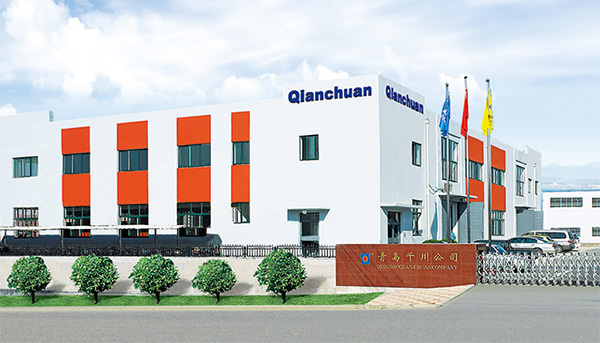
About UsQingdao Qianchuan Woodworking Machinery Co. Ltd (Qianchuan for short) was founded in 1992,which is a modern professional enterprise and gathers designing, manufacturing and selling woodworking machineries.
-
-
NewsQingdao Qianchuan Woodworking Machinery Co. Ltd (Qianchuan for short) was founded in 1992,which is a modern professional enterprise and gathers designing, manufacturing and selling woodworking machineries.


News Center
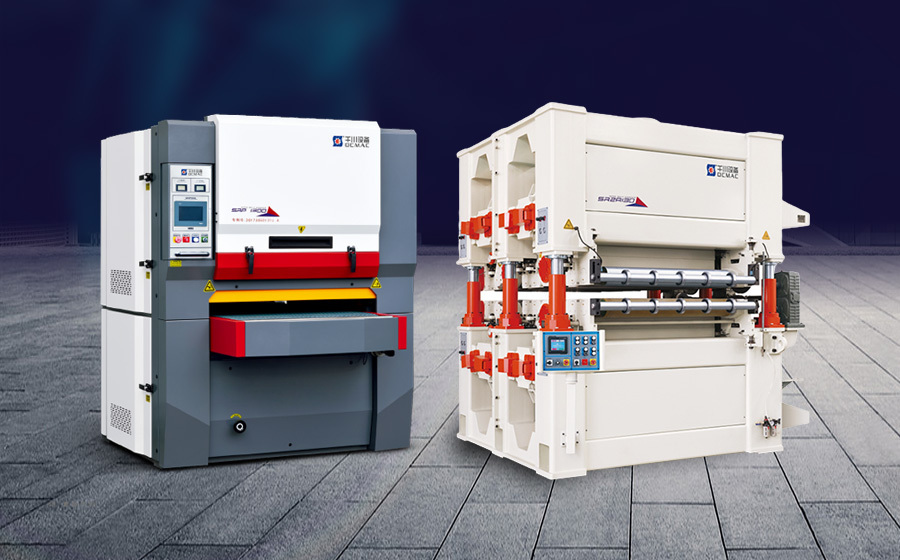
Maximize Your Efficiency with Floating Thickness Sanding Machines
Release time:
2026-02-22 16:10
One of the primary benefits of using a floating thickness sanding machine is the improved efficiency it brings to the sanding process. By automatically adjusting to the thickness of the material, these machines minimize the risk of uneven sanding and reduce the time spent on manual adjustments. This leads to a significant increase in productivity, allowing operators to focus on other critical tasks while ensuring consistent quality in their outputs.
In addition to efficiency, floating thickness sanding machines are versatile and can be used on a range of materials, including wood, plastic, and even metal. This versatility makes them an invaluable asset for businesses that require various sanding applications. Whether you are working on furniture production, cabinetry, or any other woodworking project, these machines can help achieve the desired finish with minimal effort.
Furthermore, floating thickness sanding machines often come equipped with advanced features such as variable speed settings and dust collection systems. The ability to adjust the sanding speed allows operators to tailor the machine's performance to the specific needs of the material, ensuring optimal results. Meanwhile, integrated dust collection systems help maintain a clean work environment by minimizing dust and debris, contributing to better air quality and safety in the workspace.
Maintenance of floating thickness sanding machines is typically straightforward, ensuring that they remain in peak condition for extended periods. Regular checks and proper care can extend the lifespan of these machines and enhance their performance. Operators should be aware of the importance of following the manufacturer’s guidelines for maintenance to avoid any operational issues and maximize the machine's efficiency.
In conclusion, floating thickness sanding machines are a pivotal component in the realm of manufacturing and processing. By offering enhanced efficiency, versatility, and user-friendly features, they play a crucial role in achieving high-quality sanding results. For businesses looking to improve their sanding operations and productivity, investing in a floating thickness sanding machine could be a transformative decision.
Related News
Comparing Electric Sanding Machines: Which is Best for Calcium Silicate Boards?
Comparing Electric Sanding Machines: Which is Best for Calcium Silicate Boards? When it comes to working with calcium silicate boards, choosing the right electric sanding machine can significantly impact the quality of your finish. These boards, known for their fire resistance, moisture resistance, and sound insulation, are commonly used in construction and renovation projects. They require proper
Improving Particle Board Surface Finishing with More Consistent Sanding
best particle board sanding machine factories provide efficient equipment for smooth, consistent, and high-quality panel finishing.
Floating Sanding Machine for Stable Thickness Control and Efficient Wood Panel Processing
The newest floating sanding machine china offers efficient, stable sanding for woodworking panels and surface finishing.

QingDao QianChuan Woodworking Machinery Co., Ltd.
Tel: 400-008-0088
mailbox: sales@qianchuanshebei.cn
Add: No.10, 3Rd Wanan Road, Shibei District, Qingdao, P.R.C
Copyright©2023 QingDao QianChuan Woodworking Machinery Co., Ltd. Seo