
-
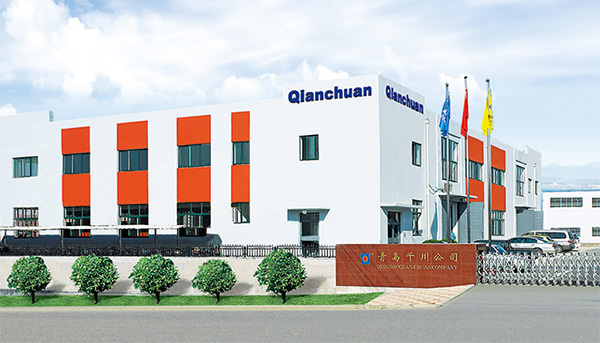
About UsQingdao Qianchuan Woodworking Machinery Co. Ltd (Qianchuan for short) was founded in 1992,which is a modern professional enterprise and gathers designing, manufacturing and selling woodworking machineries.
-
-
NewsQingdao Qianchuan Woodworking Machinery Co. Ltd (Qianchuan for short) was founded in 1992,which is a modern professional enterprise and gathers designing, manufacturing and selling woodworking machineries.


News Center
Why Every Workshop Needs a Sanding Machine for Calcium Silicate Boards
Release time:
2026-02-25 18:50
Why Every Workshop Needs a Sanding Machine for Calcium Silicate Boards
Calcium silicate boards are increasingly popular in construction and interior design due to their durability and versatility. However, working with these boards requires specialized tools to achieve a flawless finish. One such tool is the **sanding machine**, which plays a crucial role in ensuring that your projects meet the highest standards. In this article, we will explore why every workshop should be equipped with a sanding machine specifically designed for calcium silicate boards.
The Importance of Sanding Calcium Silicate Boards
Sanding is a critical step in the preparation and finishing of calcium silicate boards. Here are several reasons why sanding is essential:
Achieving a Smooth Surface
To achieve the best results, it's vital to ensure that the surface of the calcium silicate boards is smooth and even. Uneven surfaces can lead to poor adhesion when applying paint or other finishes, which can ruin the overall aesthetic of the project. A sanding machine effectively smoothens out imperfections, providing a surface ready for finishing.
Improving Adhesion for Finishes
Proper adhesion is fundamental when applying paints, sealants, or adhesives to calcium silicate boards. Sanding creates micro-abrasions on the surface, enhancing the bond between the board and the finish. This is particularly important for projects where durability and longevity are desired.
Removing Unwanted Debris
During the manufacturing process, calcium silicate boards may accumulate dust, debris, or factory imperfections. A sanding machine can effectively remove these unwanted materials, ensuring that the final product is clean and ready for installation or finishing.
Key Benefits of Using a Sanding Machine
Investing in a sanding machine specifically designed for calcium silicate boards offers numerous advantages:
Time Efficiency
Manual sanding can be labor-intensive and time-consuming. Using a sanding machine significantly reduces the time required to achieve a smooth finish, allowing workshop operators to complete projects more quickly and efficiently.
Consistency in Results
A sanding machine provides uniform pressure and speed, ensuring consistent results throughout the surface of the board. This consistency is critical for professional-grade work, where the quality of finish can make or break a project's success.
Reduced Labor Costs
While the initial investment in a sanding machine may be significant, it can lead to long-term savings in labor costs. By reducing the time and effort needed for sanding, workshops can allocate their labor resources more effectively, improving overall productivity.
Types of Sanding Machines for Calcium Silicate Boards
Not all sanding machines are created equal; various models cater to different needs and applications. Here, we explore some of the most common types of sanding machines suitable for calcium silicate boards.
Belt Sanders
Belt sanders are powerful machines that use a continuous loop of sandpaper to quickly remove material from the surface. They are particularly effective for leveling large areas of calcium silicate boards and can handle heavy-duty tasks with ease.
Orbital Sanders
Orbital sanders use a circular sanding pad that moves in a random orbit. This design minimizes swirl marks and provides a smooth finish, making it ideal for final sanding before applying paint or other finishes.
Detail Sanders
Detail sanders are designed for small, intricate areas that require precision sanding. These machines are perfect for corners and edges, ensuring that every part of the calcium silicate board is properly finished.
Factors to Consider When Choosing a Sanding Machine
Selecting the right sanding machine depends on various factors. Here are some key considerations to keep in mind:
Power and Speed
The power of the sanding machine directly impacts its performance. Machines with higher wattage typically offer better efficiency and can tackle tougher sanding tasks more effectively. Additionally, adjustable speed settings allow for versatility, enabling users to match the sanding speed to the specific material and task.
Dust Collection Features
Effective dust collection is crucial when sanding calcium silicate boards, as fine dust particles can pose health risks and create a mess in the workshop. Look for machines equipped with built-in dust collection systems to minimize airborne dust and maintain a clean working environment.
Weight and Portability
Consider the weight and portability of the sanding machine. For workshops with limited space or those that require frequent relocation of tools, lightweight and portable models can be more convenient.
Maintenance Tips for Your Sanding Machine
To ensure longevity and optimal performance, regular maintenance of your sanding machine is essential. Here are some tips to keep your equipment in top shape:
Regular Cleaning
After each use, clean the sanding machine to remove dust and debris. This prevents buildup that can affect the machine's performance and prolongs its lifespan.
Inspect Sanding Pads
Check the condition of sanding pads regularly. Worn or damaged pads can lead to poor results and should be replaced promptly to maintain efficiency.
Lubricate Moving Parts
If applicable, lubricate any moving parts of the sanding machine to ensure smooth operation. Regular lubrication can prevent wear and tear, extending the machine's life.
Common Applications of Sanding Machines in Workshops
Sanding machines are versatile tools that can be used in a variety of applications. Here, we explore some common uses within workshops:
Construction and Renovation
In construction and renovation projects, sanding machines are essential for preparing calcium silicate boards for installation. Properly sanded boards ensure better adhesion of finishes and improve the overall appearance of the project.
Furniture Making
For furniture makers, sanding machines can help achieve smooth finishes on surfaces made from calcium silicate boards. The result is professional-quality furniture that meets consumer expectations.
Interior Design Projects
Interior designers often use calcium silicate boards for their versatility. Sanding machines facilitate the finishing process, ensuring that walls and installations have the desired aesthetic appeal.
Frequently Asked Questions (FAQs)
1. What is a calcium silicate board?
Calcium silicate boards are non-combustible building materials often used in construction and interior design for their durability and insulation properties.
2. Why is sanding important for calcium silicate boards?
Sanding is essential to create a smooth surface, improve adhesion for finishes, and remove any debris or imperfections present on the board.
3. How do I choose the right sanding machine for my workshop?
Consider factors like power, speed, dust collection features, weight, and portability when selecting a sanding machine.
4. Can I use a regular sander on calcium silicate boards?
While regular sanders may work, using a machine specifically designed for calcium silicate boards will yield better results and efficiency.
5. How often should I maintain my sanding machine?
Regular maintenance should be performed after each use, including cleaning, inspecting sanding pads, and lubricating moving parts as needed.
Conclusion
In conclusion, equipping your workshop with a sanding machine for calcium silicate boards is an investment that pays off in efficiency, quality, and professional results. With the right machine, you can achieve smooth surfaces, enhance adhesion for finishes, and elevate the overall standard of your projects. Whether you are in construction, furniture making, or interior design, a sanding machine is an indispensable tool that will help you deliver superior work. By considering the factors discussed and following proper maintenance protocols, you can ensure that your sanding machine remains a valuable asset for years to come.
Related News
Comparing Electric Sanding Machines: Which is Best for Calcium Silicate Boards?
Comparing Electric Sanding Machines: Which is Best for Calcium Silicate Boards? When it comes to working with calcium silicate boards, choosing the right electric sanding machine can significantly impact the quality of your finish. These boards, known for their fire resistance, moisture resistance, and sound insulation, are commonly used in construction and renovation projects. They require proper
Improving Particle Board Surface Finishing with More Consistent Sanding
best particle board sanding machine factories provide efficient equipment for smooth, consistent, and high-quality panel finishing.
Floating Sanding Machine for Stable Thickness Control and Efficient Wood Panel Processing
The newest floating sanding machine china offers efficient, stable sanding for woodworking panels and surface finishing.

QingDao QianChuan Woodworking Machinery Co., Ltd.
Tel: 400-008-0088
mailbox: sales@qianchuanshebei.cn
Add: No.10, 3Rd Wanan Road, Shibei District, Qingdao, P.R.C
Copyright©2023 QingDao QianChuan Woodworking Machinery Co., Ltd. Seo