
-
About UsQingdao Qianchuan Woodworking Machinery Co. Ltd (Qianchuan for short) was founded in 1992,which is a modern professional enterprise and gathers designing, manufacturing and selling woodworking machineries.

-
-
NewsQingdao Qianchuan Woodworking Machinery Co. Ltd (Qianchuan for short) was founded in 1992,which is a modern professional enterprise and gathers designing, manufacturing and selling woodworking machineries.


News Center
Mastering Particle Board Sanding Machines: Essential Insights for Professionals
Release time:
2026-02-28 18:30
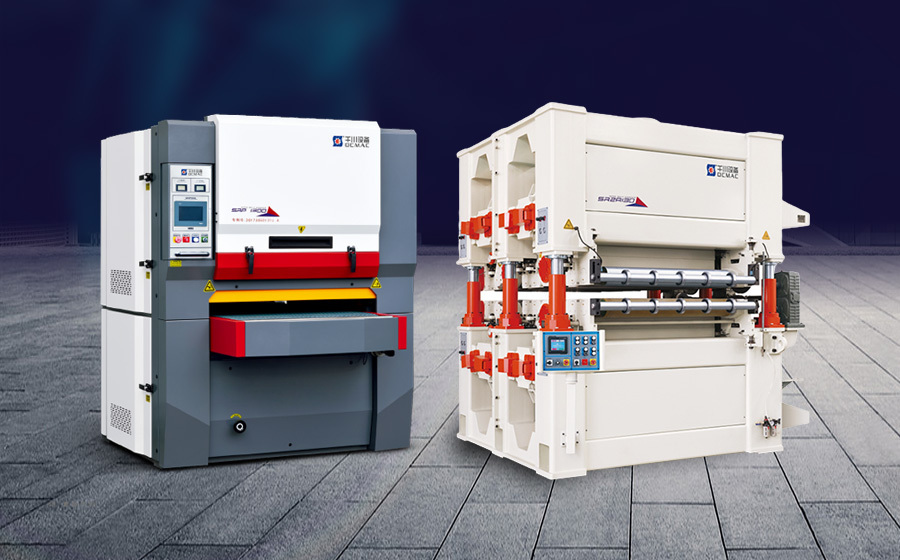
One of the primary functions of a particle board sanding machine is to prepare the surface for finishing. This step is crucial, as it determines the aesthetic appeal and durability of the final product. The sanding process removes imperfections and ensures uniform thickness, which is essential for further processes like veneering or coating. When selecting a sanding machine, professionals should consider factors such as the type of sanding head, the machine's speed, and its dust collection capabilities. A well-designed dust collection system not only supports a cleaner working environment but also improves the machine's performance by minimizing the risk of clogging.
In terms of operation, it's important to maintain an optimal feed rate. A feed rate that is too fast can lead to insufficient sanding, resulting in a rough finish, while a rate that is too slow may cause over-sanding, potentially damaging the board. Calibration of the sanding belts is also crucial; worn-out belts must be replaced promptly to maintain consistent sanding quality. Additionally, the choice of grit on the sanding belts varies based on the desired finish. Starting with a coarser grit and progressing to finer grits is a common approach that yields the best results.
Moreover, regular maintenance of the particle board sanding machine is vital for longevity and performance. Keeping the machine clean and well-lubricated not only prevents breakdowns but also ensures smooth operation. Professionals should establish a routine maintenance schedule that includes checking electrical components, belts, and bearings.
Lastly, safety should always be a top priority when operating sanding machinery. Utilizing appropriate personal protective equipment (PPE) such as dust masks, goggles, and gloves is essential to safeguard against inhalation of dust and other particles generated during the sanding process.
In conclusion, a thorough understanding of particle board sanding machines, combined with best practices in operation and maintenance, can significantly enhance productivity and product quality in woodworking industries. By focusing on the details, professionals can ensure that their sanding processes meet the highest standards, ultimately leading to superior final products.
Related News
Comparing Electric Sanding Machines: Which is Best for Calcium Silicate Boards?
Comparing Electric Sanding Machines: Which is Best for Calcium Silicate Boards? When it comes to working with calcium silicate boards, choosing the right electric sanding machine can significantly impact the quality of your finish. These boards, known for their fire resistance, moisture resistance, and sound insulation, are commonly used in construction and renovation projects. They require proper
Improving Particle Board Surface Finishing with More Consistent Sanding
best particle board sanding machine factories provide efficient equipment for smooth, consistent, and high-quality panel finishing.
Floating Sanding Machine for Stable Thickness Control and Efficient Wood Panel Processing
The newest floating sanding machine china offers efficient, stable sanding for woodworking panels and surface finishing.

QingDao QianChuan Woodworking Machinery Co., Ltd.
Tel: 400-008-0088
mailbox: sales@qianchuanshebei.cn
Add: No.10, 3Rd Wanan Road, Shibei District, Qingdao, P.R.C
Copyright©2023 QingDao QianChuan Woodworking Machinery Co., Ltd. Seo