
-
About UsQingdao Qianchuan Woodworking Machinery Co. Ltd (Qianchuan for short) was founded in 1992,which is a modern professional enterprise and gathers designing, manufacturing and selling woodworking machineries.

-
-
NewsQingdao Qianchuan Woodworking Machinery Co. Ltd (Qianchuan for short) was founded in 1992,which is a modern professional enterprise and gathers designing, manufacturing and selling woodworking machineries.


News Center
Essential Tips for Using Your Thickness Sanding Machine Effectively
Release time:
2026-03-03 18:00
Essential Tips for Using Your Thickness Sanding Machine Effectively
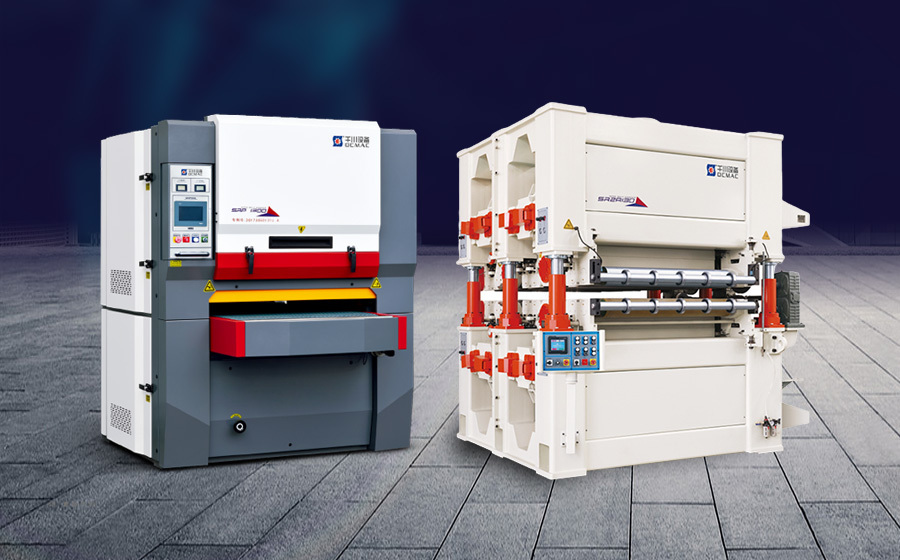
Using a thickness sanding machine can transform the way you work with wood, providing precision and efficiency in your projects. However, knowing how to operate this powerful tool effectively is crucial for achieving the best results. In this guide, we will delve into essential tips, techniques, and best practices to optimize your experience with a thickness sanding machine.
Table of Contents
1. Understanding the Thickness Sanding Machine
2. Setting Up Your Thickness Sanding Machine
3. Selecting the Right Sandpaper
4. Techniques for Effective Sanding
4.1. Maintaining Consistent Feed Rate
4.2. Properly Adjusting the Thickness Setting
5. Safety Precautions to Consider
6. Regular Maintenance of Your Thickness Sanding Machine
7. Troubleshooting Common Issues
8. Frequently Asked Questions (FAQs)
9. Conclusion
1. Understanding the Thickness Sanding Machine
A thickness sanding machine, also known as a thickness planer or sander, is designed to remove material from the surface of wood to achieve a uniform thickness and smooth finish. Unlike a traditional belt sander, which can leave uneven surfaces, a thickness sander provides a more consistent result by allowing the wood to pass through between two sanding drums. Understanding the mechanics of this machine is fundamental to using it effectively.
2. Setting Up Your Thickness Sanding Machine
Before you begin sanding, it’s important to ensure that your thickness sanding machine is properly set up. Start by placing the machine on a stable, flat surface to prevent vibrations that could affect performance. Ensure that all parts are secure and that the machine is clean. Dust and debris can interfere with the sanding process and lead to poor results.
3. Selecting the Right Sandpaper
Choosing the right sandpaper is essential for effective sanding. Different grits serve different purposes:
- **Coarse grit (40-60)** is ideal for removing material quickly.
- **Medium grit (80-120)** is used for refining the surface.
- **Fine grit (180-220)** is perfect for achieving a smooth finish.
Make sure the sandpaper is compatible with your machine, as using the wrong type can cause damage.
4. Techniques for Effective Sanding
To make the most of your thickness sanding machine, employ the following techniques:
4.1. Maintaining Consistent Feed Rate
A consistent feed rate is crucial for achieving a uniform finish. If you feed the wood too quickly, it can result in uneven sanding. Generally, a slower feed rate will yield better results, especially when working with harder woods.
4.2. Properly Adjusting the Thickness Setting
Before starting, always check the thickness setting. Adjust it according to the thickness of the material you are sanding. A common mistake is to sand too much in one pass, which can lead to tear-out and damage to the wood. Aim for removing no more than 1/16 inch of material in a single pass.
5. Safety Precautions to Consider
Safety should always be a priority when using a thickness sanding machine. Here are some essential safety tips:
- Always wear safety goggles to protect your eyes from flying debris.
- Use hearing protection, as sanding machines can be quite loud.
- Avoid wearing loose clothing that could get caught in the machine.
- Always turn off the machine and unplug it before making adjustments or clearing jams.
6. Regular Maintenance of Your Thickness Sanding Machine
Regular maintenance will ensure your thickness sanding machine operates efficiently and lasts longer. Here are some maintenance tips:
- **Clean the Machine:** After each use, clean the dust collection areas to prevent buildup.
- **Check for Wear and Tear:** Regularly inspect the sanding drums and belts for wear. Replace them as necessary.
- **Lubricate Moving Parts:** Keeping moving parts lubricated reduces friction and prolongs the machine's lifespan.
7. Troubleshooting Common Issues
Even with proper usage, issues can arise. Here are some common problems and solutions:
- **Uneven Surface Finish:** This could be due to dull sandpaper or an incorrect feed rate. Make sure to replace the sandpaper and adjust the speed accordingly.
- **Sniping:** This occurs when the edges of the wood are sanded deeper than the center. To avoid this, ensure the wood is supported properly at both ends.
- **Wood Jams:** If the wood jams, turn off the machine immediately. Unplug it before attempting to clear the jam.
8. Frequently Asked Questions (FAQs)
1. How often should I replace the sandpaper on my thickness sanding machine?
Replace the sandpaper when you notice it becoming dull or when it starts to leave uneven marks on the wood.
2. Can I use a thickness sanding machine on hardwoods?
Yes, thickness sanders are ideal for hardwoods, but ensure you adjust the feed rate accordingly to prevent damage.
3. What is the best way to store my thickness sanding machine?
Store the machine in a dry, clean environment to prevent rust and damage. Use a cover to protect it from dust.
4. Can thickness sanders be used for other materials besides wood?
While primarily designed for wood, some thickness sanders can handle materials like MDF and plywood. Always check the manufacturer's guidelines.
5. Is it necessary to have a dust collection system with my thickness sanding machine?
While not mandatory, a dust collection system is highly recommended to keep your workspace clean and improve air quality.
9. Conclusion
Using a thickness sanding machine effectively requires knowledge, skill, and attention to detail. By understanding the machine, selecting the right materials, employing proper techniques, prioritizing safety, and conducting regular maintenance, we can ensure that our sanding tasks are both efficient and satisfying. Whether for personal projects or professional woodworking, the tips outlined in this guide will help you achieve optimal results, turning your thickness sanding machine into an invaluable tool in your workshop.
Related News
Comparing Electric Sanding Machines: Which is Best for Calcium Silicate Boards?
Comparing Electric Sanding Machines: Which is Best for Calcium Silicate Boards? When it comes to working with calcium silicate boards, choosing the right electric sanding machine can significantly impact the quality of your finish. These boards, known for their fire resistance, moisture resistance, and sound insulation, are commonly used in construction and renovation projects. They require proper
Improving Particle Board Surface Finishing with More Consistent Sanding
best particle board sanding machine factories provide efficient equipment for smooth, consistent, and high-quality panel finishing.
Floating Sanding Machine for Stable Thickness Control and Efficient Wood Panel Processing
The newest floating sanding machine china offers efficient, stable sanding for woodworking panels and surface finishing.

QingDao QianChuan Woodworking Machinery Co., Ltd.
Tel: 400-008-0088
mailbox: sales@qianchuanshebei.cn
Add: No.10, 3Rd Wanan Road, Shibei District, Qingdao, P.R.C
Copyright©2023 QingDao QianChuan Woodworking Machinery Co., Ltd. Seo