
-
About UsQingdao Qianchuan Woodworking Machinery Co. Ltd (Qianchuan for short) was founded in 1992,which is a modern professional enterprise and gathers designing, manufacturing and selling woodworking machineries.

-
-
NewsQingdao Qianchuan Woodworking Machinery Co. Ltd (Qianchuan for short) was founded in 1992,which is a modern professional enterprise and gathers designing, manufacturing and selling woodworking machineries.


News Center
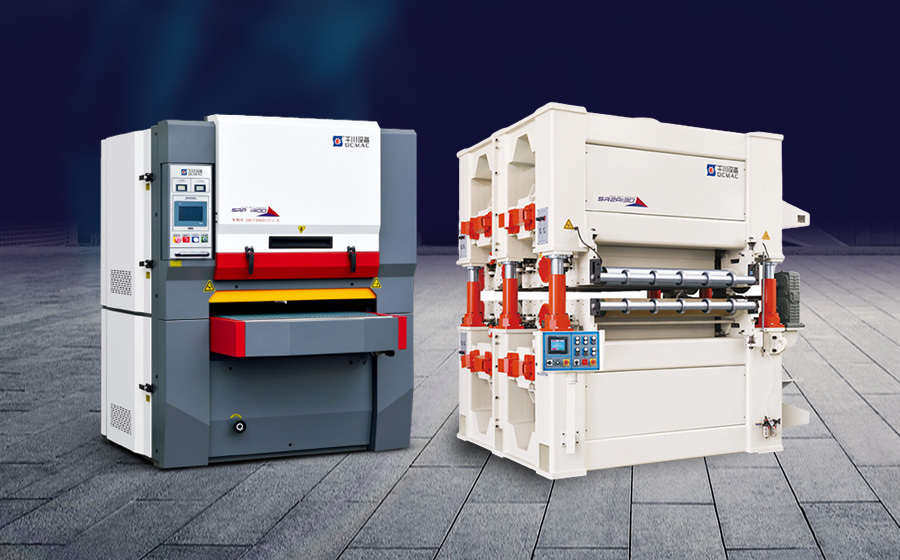
Maximizing Efficiency with Multilayer Board Sanding Machines
Release time:
2026-03-09 15:30
One of the key advantages of multilayer board sanding machines is their ability to handle various materials with multiple layers. Whether you are working with plywood, MDF, or other composite materials, these machines provide consistent results, thanks to their tailored sanding capabilities. Advanced models often feature adjustable speed settings, allowing operators to optimize sanding for different materials, ensuring that the surface finish meets the desired specifications without compromising the integrity of the board.
Operational efficiency is another benefit that multilayer board sanding machines bring to the table. These machines are typically designed with automated features that facilitate swift material handling and processing. For instance, some models incorporate feed systems that ensure a steady supply of boards into the sanding area, reducing manual labor and minimizing downtime. This automation not only accelerates production rates but also enhances the overall safety of the working environment.
Moreover, the precision of multilayer board sanding machines cannot be overlooked. Many machines come equipped with advanced sanding heads that adapt to the contours of the board, ensuring an even finish across all surfaces. This level of precision is crucial for industries that require tight tolerances and smooth finishes, such as electronics and intricate woodworking, where imperfections can lead to product failures or a less aesthetically pleasing final product.
Another important aspect to consider when working with multilayer board sanding machines is maintenance. Regular upkeep is essential to ensure that the machine continues to perform optimally over time. This includes routine cleaning of sanding belts and components, checking for wear and tear, and making necessary adjustments to maintain alignment. A well-maintained machine not only extends its lifespan but also ensures the quality of the finished product remains high.
In conclusion, multilayer board sanding machines are invaluable assets in the manufacturing and electric tool industries. Their ability to efficiently process various materials, combined with features that enhance precision and automation, makes them an essential tool for professionals seeking to elevate their production standards. By investing in a high-quality machine and adhering to maintenance best practices, manufacturers can achieve remarkable results that meet the demands of today's competitive market.
Related News
A Comparative Review of Popular Thickness Sanding Machines in the Market
A Comparative Review of Popular Thickness Sanding Machines in the Market Introduction to Thickness Sanding Machines Thickness sanding machines play a crucial role in woodworking, allowing craftsmen to achieve smooth finishes on wood surfaces. These machines are designed to remove material from the surface of the wood, ensuring uniformity in thickness. In this article, we will explore the top thick
Essential Guide to Sanding Equipment for Paint Sanding: Enhancing Your Finishing Process
When it comes to paint sanding, the right sanding equipment can significantly impact the quality of your finish and the efficiency of your workflow. Understanding the various types of sanding equipment for paint sanding can help professionals make informed decisions, streamline processes, and achieve superior results. Sanding equipment primarily includes hand-held tools and machines designed to sm

QingDao QianChuan Woodworking Machinery Co., Ltd.
Tel: 400-008-0088
mailbox: sales@qianchuanshebei.cn
Add: No.10, 3Rd Wanan Road, Shibei District, Qingdao, P.R.C
Copyright©2023 QingDao QianChuan Woodworking Machinery Co., Ltd. Seo