
-
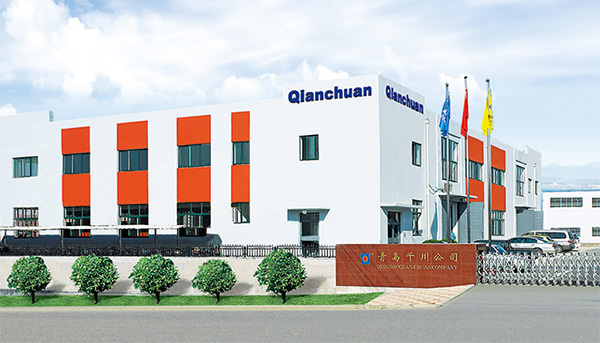
About UsQingdao Qianchuan Woodworking Machinery Co. Ltd (Qianchuan for short) was founded in 1992,which is a modern professional enterprise and gathers designing, manufacturing and selling woodworking machineries.
-
-
NewsQingdao Qianchuan Woodworking Machinery Co. Ltd (Qianchuan for short) was founded in 1992,which is a modern professional enterprise and gathers designing, manufacturing and selling woodworking machineries.


News Center
Understanding Floating Thickness Sanding Machines: A Comprehensive Guide
Release time:
2026-03-15 15:40
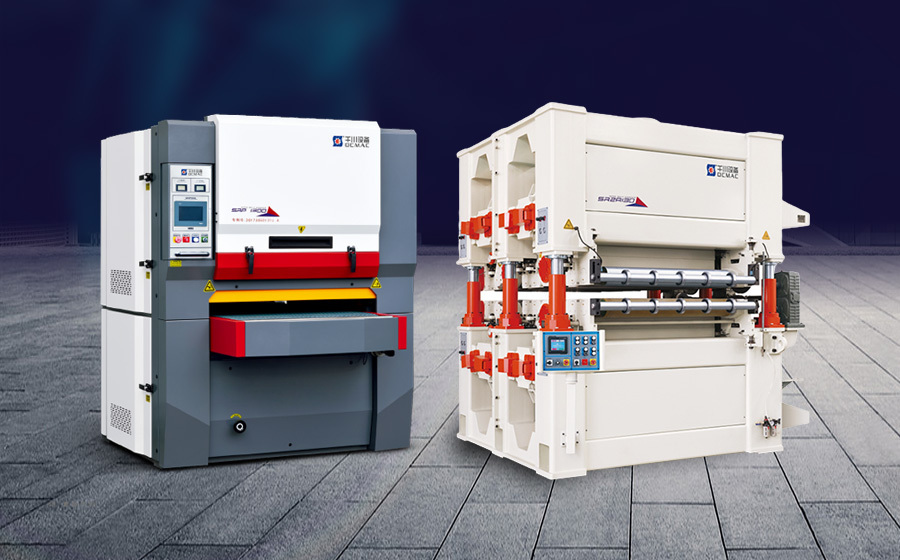
One of the key advantages of floating thickness sanding machines is their ability to produce a uniform thickness across the entire surface of the material. This is achieved through the machine's floating head system, which allows the sanding pad to adjust dynamically to any irregularities in the workpiece. By maintaining consistent contact, the machine minimizes the risk of over-sanding or under-sanding, which can lead to uneven surfaces and potential waste of material.
Moreover, the design of floating thickness sanding machines often incorporates high-quality sanding belts or pads that are tailored for specific applications. This means that users can select the appropriate abrasive material based on their project requirements, resulting in better surface finishes and reduced time spent on finishing work. Additionally, these machines tend to feature adjustable speed settings, allowing operators to customize the sanding process according to the type of material and desired finish.
In terms of maintenance, floating thickness sanding machines are generally designed for ease of use. Regular inspections and timely replacement of sanding belts or pads can significantly extend the lifespan of the machine. Furthermore, many models come equipped with dust extraction systems to minimize the mess associated with sanding operations, ensuring a cleaner and safer working environment.
Applications for floating thickness sanding machines are extensive. They are commonly used in the production of furniture, cabinetry, and flooring, where precise thickness and smooth surface finishes are essential. Additionally, industries involved in manufacturing composite materials can benefit from the versatility and precision that these machines offer.
In conclusion, floating thickness sanding machines represent a significant advancement in sanding technology, providing manufacturers with the tools necessary to achieve high-quality finishes efficiently. By understanding their functionality and applications, operators can make informed decisions that enhance productivity and product quality. Whether you are involved in woodworking, furniture production, or composite manufacturing, incorporating a floating thickness sanding machine into your processes can lead to remarkable improvements in overall output and craftsmanship.
Related News
Comparing Electric Sanding Machines: Which is Best for Calcium Silicate Boards?
Comparing Electric Sanding Machines: Which is Best for Calcium Silicate Boards? When it comes to working with calcium silicate boards, choosing the right electric sanding machine can significantly impact the quality of your finish. These boards, known for their fire resistance, moisture resistance, and sound insulation, are commonly used in construction and renovation projects. They require proper
Improving Particle Board Surface Finishing with More Consistent Sanding
best particle board sanding machine factories provide efficient equipment for smooth, consistent, and high-quality panel finishing.
Floating Sanding Machine for Stable Thickness Control and Efficient Wood Panel Processing
The newest floating sanding machine china offers efficient, stable sanding for woodworking panels and surface finishing.

QingDao QianChuan Woodworking Machinery Co., Ltd.
Tel: 400-008-0088
mailbox: sales@qianchuanshebei.cn
Add: No.10, 3Rd Wanan Road, Shibei District, Qingdao, P.R.C
Copyright©2023 QingDao QianChuan Woodworking Machinery Co., Ltd. Seo