
-
About UsQingdao Qianchuan Woodworking Machinery Co. Ltd (Qianchuan for short) was founded in 1992,which is a modern professional enterprise and gathers designing, manufacturing and selling woodworking machineries.

-
-
NewsQingdao Qianchuan Woodworking Machinery Co. Ltd (Qianchuan for short) was founded in 1992,which is a modern professional enterprise and gathers designing, manufacturing and selling woodworking machineries.


News Center
The Comprehensive Guide to Floating Sanding Machines: Revolutionizing Your Finishing Process
Release time:
2026-03-17 13:20
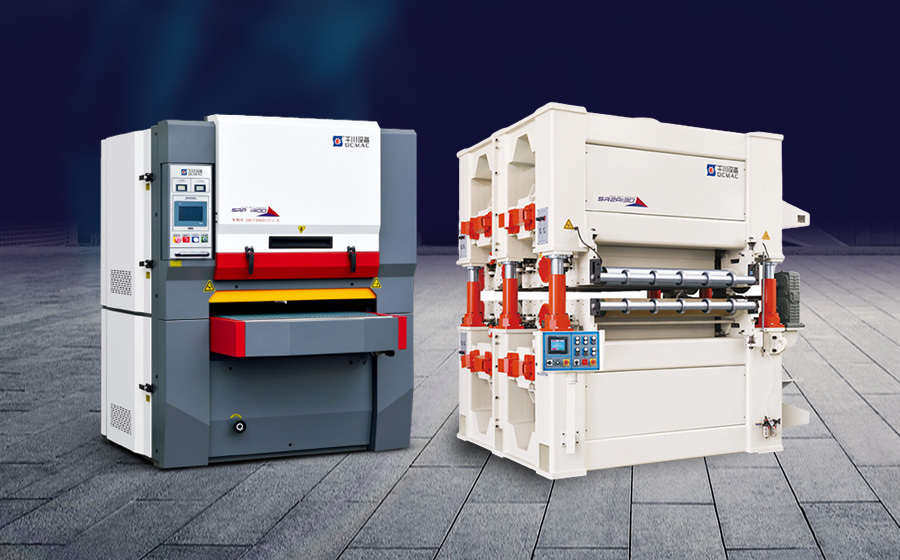
One of the standout features of floating sanding machines is their ability to maintain consistent pressure on the workpiece. This is achieved through an integrated floating head design that automatically adjusts to the contours of the surface being worked on. As a result, users can expect a more uniform finish, reducing the risk of uneven sanding that can lead to costly rework. This aspect is particularly advantageous when working with irregular shapes or materials that require meticulous attention to detail.
In terms of functionality, floating sanding machines are equipped with powerful electric motors that provide the necessary torque to handle different sanding applications. Whether you are dealing with wood, metal, or composite materials, these machines can cater to various requirements, making them versatile tools in any manufacturing shop. The adaptability of the floating sanding machine often translates to shorter project timelines, allowing manufacturers to maximize their operational efficiency.
Moreover, the design of floating sanding machines often incorporates features that enhance user comfort and safety. Many models come with ergonomic handles and anti-vibration technology, which not only improve user experience but also reduce operator fatigue during extended use. This focus on ergonomics is especially important in high-volume production environments where workers may spend long hours operating sanding equipment.
Another noteworthy advantage of floating sanding machines is their compatibility with various sanding pads and grits. Users can easily switch between different types of sanding media to achieve desired finishes, from coarse sanding for material removal to fine sanding for a smooth, polished look. This flexibility enables manufacturers to customize their approach based on specific project needs, further enhancing the machine's utility.
In conclusion, floating sanding machines are an essential addition to any manufacturing operation that prioritizes quality finishes and operational efficiency. Their unique floating head design, powerful motor capabilities, and user-friendly features make them a valuable investment for improving productivity in the finishing process. By understanding the benefits and applications of floating sanding machines, manufacturers can make informed decisions that contribute to superior product outcomes.
Related News
A Comparative Review of Popular Thickness Sanding Machines in the Market
A Comparative Review of Popular Thickness Sanding Machines in the Market Introduction to Thickness Sanding Machines Thickness sanding machines play a crucial role in woodworking, allowing craftsmen to achieve smooth finishes on wood surfaces. These machines are designed to remove material from the surface of the wood, ensuring uniformity in thickness. In this article, we will explore the top thick
Essential Guide to Sanding Equipment for Paint Sanding: Enhancing Your Finishing Process
When it comes to paint sanding, the right sanding equipment can significantly impact the quality of your finish and the efficiency of your workflow. Understanding the various types of sanding equipment for paint sanding can help professionals make informed decisions, streamline processes, and achieve superior results. Sanding equipment primarily includes hand-held tools and machines designed to sm

QingDao QianChuan Woodworking Machinery Co., Ltd.
Tel: 400-008-0088
mailbox: sales@qianchuanshebei.cn
Add: No.10, 3Rd Wanan Road, Shibei District, Qingdao, P.R.C
Copyright©2023 QingDao QianChuan Woodworking Machinery Co., Ltd. Seo