
-
About UsQingdao Qianchuan Woodworking Machinery Co. Ltd (Qianchuan for short) was founded in 1992,which is a modern professional enterprise and gathers designing, manufacturing and selling woodworking machineries.

-
-
NewsQingdao Qianchuan Woodworking Machinery Co. Ltd (Qianchuan for short) was founded in 1992,which is a modern professional enterprise and gathers designing, manufacturing and selling woodworking machineries.


News Center
Optimizing Your Production with Multilayer Board Sanding Machines
Release time:
2026-03-19 13:50
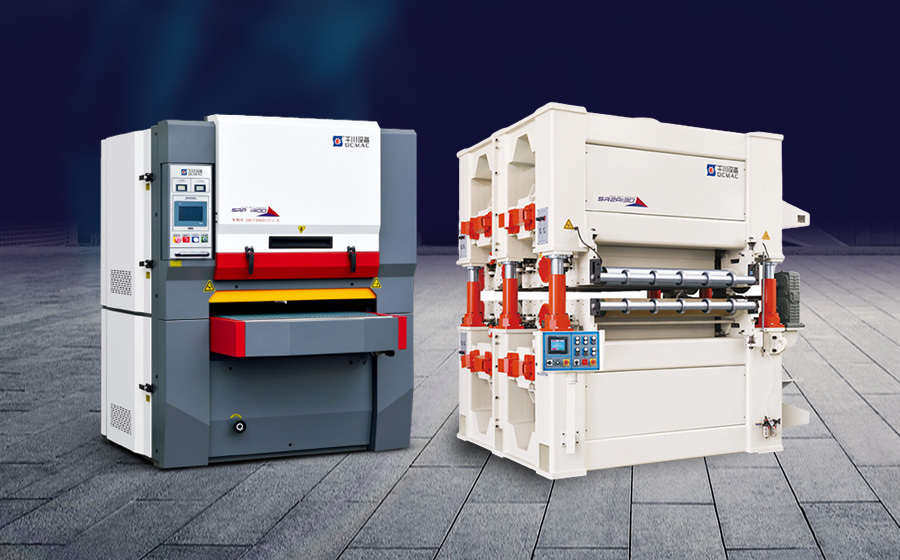
A multilayer board sanding machine typically consists of multiple sanding heads that can be adjusted for different thicknesses and types of material. The versatility of these machines allows manufacturers to efficiently sand surfaces of laminated boards, plywood, and composite materials. This flexibility is critical in meeting diverse production demands, as different projects may require varying levels of precision and finish quality.
One of the primary advantages of using a multilayer board sanding machine is its ability to deliver uniform surface finishes. The controlled sanding process ensures that each layer of the board is treated evenly, reducing the risk of surface defects. This consistency not only improves the aesthetic appeal of the finished product but also enhances its durability. Proper sanding is essential for applications like veneering, where the surface must be smooth and free of imperfections to support subsequent finishing processes like staining or sealing.
Efficiency is another key benefit of multilayer board sanding machines. These machines are designed to operate at high speeds, significantly reducing the time required for surface preparation. For manufacturers, this means increased productivity, as more pieces can be processed in a shorter amount of time. Additionally, advanced features such as automatic feed systems and dust extraction units contribute to a cleaner and safer working environment, further optimizing production flow.
When considering a multilayer board sanding machine, it’s important to evaluate the technical specifications that align with your specific needs. Factors such as sanding width, power requirements, and automation capabilities can influence your decision. Moreover, understanding the maintenance requirements of the machine can help ensure its longevity and consistent performance over time.
In conclusion, multilayer board sanding machines are essential tools for manufacturers looking to enhance their production capabilities. By investing in high-quality sanding machines, businesses can achieve superior finishes, improve operational efficiency, and ultimately satisfy their customers' demands for excellence. Whether you’re involved in woodworking, cabinetry, or electronic components, adopting the right sanding technology can make a significant difference in the quality and efficiency of your production processes.
Related News
A Comparative Review of Popular Thickness Sanding Machines in the Market
A Comparative Review of Popular Thickness Sanding Machines in the Market Introduction to Thickness Sanding Machines Thickness sanding machines play a crucial role in woodworking, allowing craftsmen to achieve smooth finishes on wood surfaces. These machines are designed to remove material from the surface of the wood, ensuring uniformity in thickness. In this article, we will explore the top thick
Essential Guide to Sanding Equipment for Paint Sanding: Enhancing Your Finishing Process
When it comes to paint sanding, the right sanding equipment can significantly impact the quality of your finish and the efficiency of your workflow. Understanding the various types of sanding equipment for paint sanding can help professionals make informed decisions, streamline processes, and achieve superior results. Sanding equipment primarily includes hand-held tools and machines designed to sm

QingDao QianChuan Woodworking Machinery Co., Ltd.
Tel: 400-008-0088
mailbox: sales@qianchuanshebei.cn
Add: No.10, 3Rd Wanan Road, Shibei District, Qingdao, P.R.C
Copyright©2023 QingDao QianChuan Woodworking Machinery Co., Ltd. Seo