
-
About UsQingdao Qianchuan Woodworking Machinery Co. Ltd (Qianchuan for short) was founded in 1992,which is a modern professional enterprise and gathers designing, manufacturing and selling woodworking machineries.

-
-
NewsQingdao Qianchuan Woodworking Machinery Co. Ltd (Qianchuan for short) was founded in 1992,which is a modern professional enterprise and gathers designing, manufacturing and selling woodworking machineries.


News Center
Why Every Woodworker Needs a Thickness Sanding Machine: Unlocking the Secrets to Perfectly Finished Woodwork
Release time:
2026-03-24 15:00
Why Every Woodworker Needs a Thickness Sanding Machine
Woodworking is an art that requires both skill and the right tools. Among the many tools available to woodworkers, the **thickness sanding machine** stands out as an essential piece of equipment. This article delves into the crucial reasons why every woodworker, whether a novice or a seasoned professional, should invest in this remarkable tool.
Understanding Thickness Sanding Machines
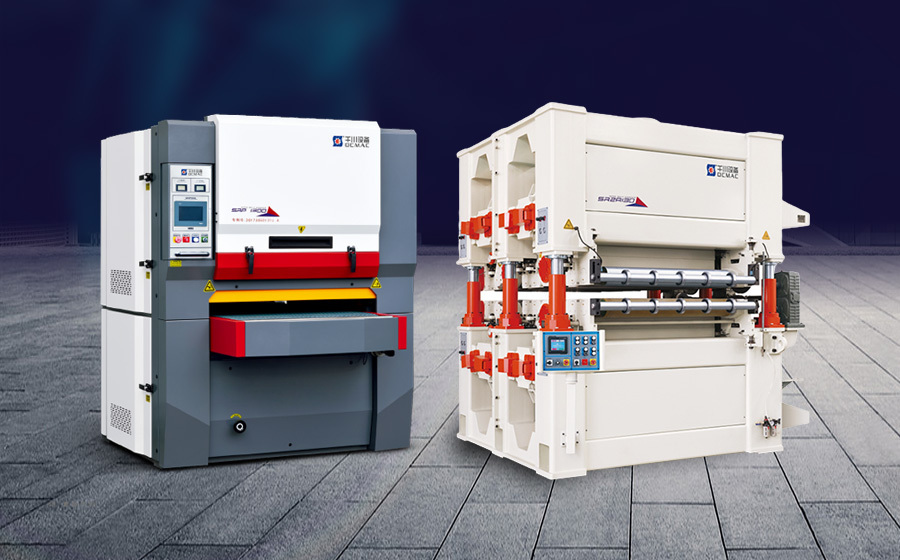
A thickness sanding machine, often referred to as a thickness sander, is a specialized tool designed to smooth and refine the surface of wood to a precise thickness. Unlike traditional sanders, which may only address surface imperfections, thickness sanders provide consistent results across the entire surface area of the wood, enabling craftsmen to achieve uniform thickness in their projects.
The Evolution of Woodworking Tools
Over the years, woodworking has evolved from hand tools to advanced machinery. The introduction of electric tools and sanding machines has revolutionized the industry, allowing woodworkers to complete their projects more efficiently and with greater accuracy. The thickness sanding machine is a major contributor to this evolution, streamlining processes that once took hours or even days.
Why Precision Matters in Woodworking
Precision is paramount in woodworking. A slight variation in thickness can lead to misalignments, affecting the quality and aesthetics of the final product. Thickness sanding machines ensure that each piece of wood is uniform, enhancing its compatibility with other components in your project. This level of precision is particularly important in furniture making, cabinetry, and intricate woodworking projects.
Key Benefits of Using a Thickness Sanding Machine
Investing in a thickness sanding machine offers numerous benefits that can significantly enhance your woodworking experience.
1. Enhanced Surface Quality
One of the primary advantages of using a thickness sanding machine is the **improved surface quality** of the wood. These machines utilize advanced sanding technology that provides a finer finish than traditional methods. The smooth surface created by a thickness sander is ideal for staining, painting, or sealing, resulting in a more professional appearance.
2. Consistency in Thickness
Achieving a consistent thickness across all pieces of wood is essential for many woodworking projects. Thickness sanders excel in this area, allowing woodworkers to set their desired thickness and ensure that each piece meets those specifications. This consistency is crucial when assembling multiple parts, as it minimizes gaps and misalignments.
3. Increased Efficiency and Time-Saving
Time is a valuable resource in woodworking. The use of a thickness sanding machine can significantly reduce the time spent on sanding tasks. Instead of manually sanding each piece, woodworkers can quickly process multiple boards in a fraction of the time. This efficiency not only saves time but also allows for greater productivity in the workshop.
4. Versatility for Various Projects
Thickness sanding machines are versatile tools that can be utilized for a variety of woodworking projects. Whether working on flat boards, panels, or even complex shapes, these machines can adapt to your needs. This adaptability means that regardless of the project size or complexity, a thickness sander can enhance your results.
5. Reduced Labor Intensity
Woodworking can be physically demanding, especially when it involves extensive sanding. A thickness sanding machine alleviates much of this labor intensity, allowing woodworkers to focus on other aspects of their craft. By reducing the physical toll, artisans can work longer hours without fatigue, ultimately improving output quality.
How to Choose the Right Thickness Sanding Machine
Selecting the right thickness sanding machine is crucial for achieving optimal results. Here are some factors to consider when making your choice.
1. Size and Capacity
Consider the size of the materials you typically work with. Thickness sanding machines come in various sizes and capacities, making it essential to choose one that can handle your largest projects comfortably. Ensure the machine you select can accommodate the dimensions of your wood pieces.
2. Motor Power
The motor power of a thickness sander determines its efficiency and effectiveness. A powerful motor can handle thicker woods and more demanding sanding tasks. Look for machines with higher horsepower ratings to ensure they can tackle tough jobs without strain.
3. Adjustable Settings
Opt for a thickness sanding machine that allows for adjustable settings. This feature enables you to customize the sanding thickness and speed according to project requirements. Having this flexibility can significantly enhance your workflow and results.
4. Dust Collection Features
Dust is an inevitable byproduct of sanding. A thickness sanding machine with effective dust collection features will help keep your workspace clean and improve air quality. Look for models that come equipped with dust ports or built-in collection systems to minimize cleanup after sanding sessions.
5. Price vs. Quality
While budget is a crucial consideration, it’s important to balance cost with quality. Investing in a high-quality thickness sanding machine may involve a higher initial expense, but it can save you money in the long run through durability and superior performance. Research and read reviews to ensure you are making a sound investment.
Common Applications for Thickness Sanding Machines
Thickness sanders are used in a variety of woodworking applications. Here are a few common uses that highlight their importance.
1. Furniture Making
In furniture making, the need for precision is paramount. Thickness sanding machines ensure that all components fit together seamlessly, resulting in sturdy and aesthetically pleasing furniture pieces. From tabletops to chairs, a thickness sander enhances every aspect of furniture construction.
2. Cabinetry
Cabinetmakers rely heavily on thickness sanding machines to achieve the uniform thickness required for cabinet doors and shelves. With a thickness sander, cabinetmakers can guarantee that each piece is consistent, making assembly and finishing easier and more efficient.
3. Musical Instruments
Crafting musical instruments, such as guitars or violins, requires a level of precision that is difficult to achieve with manual methods. Thickness sanding machines allow luthiers to create precisely crafted wooden parts, enhancing the quality of sound and resonance in the final product.
4. Decorative Woodwork
Thickness sanders are also beneficial in the creation of decorative woodwork, such as moldings, trim, and inlays. The ability to produce perfectly uniform pieces ensures that decorative elements fit together flawlessly, resulting in stunning finishes.
5. DIY Projects
For hobbyists and DIY enthusiasts, a thickness sanding machine simplifies various projects. Whether it’s crafting home décor items or building custom furniture, having a thickness sander at hand can elevate the quality of DIY endeavors significantly.
Maintenance Tips for Your Thickness Sanding Machine
To ensure longevity and optimal performance of your thickness sanding machine, regular maintenance is essential.
1. Clean the Machine Regularly
Dust and debris can accumulate in sanding machines, affecting their performance. Regularly clean the machine, particularly the sanding drum and dust collection system, to prevent buildup that could lead to malfunctions.
2. Inspect the Sanding Drums
Check the sanding drums for wear and tear. Worn-out drums can lead to uneven sanding and reduced effectiveness. Replace or recondition the drums as needed to maintain high-quality results.
3. Lubricate Moving Parts
Like any other machine, a thickness sanding machine has moving parts that require lubrication. Regularly lubricate these components to ensure smooth operation and prevent any potential breakdowns.
4. Store Properly
When not in use, store your thickness sanding machine in a dry, clean environment. Cover it to protect against dust and moisture that could cause damage over time.
Frequently Asked Questions (FAQs)
1. What materials can be sanded with a thickness sanding machine?
Thickness sanding machines can be used on a variety of materials, including hardwood, softwood, and engineered woods. Always check the manufacturer’s guidelines for specific recommendations.
2. How thick can I sand wood with a thickness sanding machine?
The maximum thickness that can be sanded depends on the model of the machine. Most thickness sanders can handle boards up to 3 inches thick, but check the specifications for your specific model.
3. Is it necessary to use a thickness sanding machine for small projects?
While it is not necessary, using a thickness sanding machine can improve the quality of even small projects by ensuring uniformity and a professional finish.
4. How do I know when to change the sanding drums?
If you notice a decline in performance, such as uneven surfaces or excessive vibration, it may be time to inspect and possibly replace the sanding drums.
5. Can I use a thickness sanding machine for non-wood materials?
Thickness sanding machines are primarily designed for wood. Using them on non-wood materials can damage the machine. Always follow the manufacturer's recommendations for material compatibility.
Conclusion
A thickness sanding machine is an invaluable tool for any woodworker, providing benefits that range from enhanced surface quality to increased efficiency. By ensuring precision and uniformity in your wood projects, this machine elevates your craftsmanship and can greatly improve the overall results of your work. Whether you’re working on furniture, cabinetry, or unique DIY projects, investing in a thickness sanding machine will undoubtedly pay off in terms of quality and productivity. Embrace this essential tool and watch your woodworking skills reach new heights.
Related News
Comparing Electric Sanding Machines: Which is Best for Calcium Silicate Boards?
Comparing Electric Sanding Machines: Which is Best for Calcium Silicate Boards? When it comes to working with calcium silicate boards, choosing the right electric sanding machine can significantly impact the quality of your finish. These boards, known for their fire resistance, moisture resistance, and sound insulation, are commonly used in construction and renovation projects. They require proper
Improving Particle Board Surface Finishing with More Consistent Sanding
best particle board sanding machine factories provide efficient equipment for smooth, consistent, and high-quality panel finishing.
Floating Sanding Machine for Stable Thickness Control and Efficient Wood Panel Processing
The newest floating sanding machine china offers efficient, stable sanding for woodworking panels and surface finishing.

QingDao QianChuan Woodworking Machinery Co., Ltd.
Tel: 400-008-0088
mailbox: sales@qianchuanshebei.cn
Add: No.10, 3Rd Wanan Road, Shibei District, Qingdao, P.R.C
Copyright©2023 QingDao QianChuan Woodworking Machinery Co., Ltd. Seo