
-
About UsQingdao Qianchuan Woodworking Machinery Co. Ltd (Qianchuan for short) was founded in 1992,which is a modern professional enterprise and gathers designing, manufacturing and selling woodworking machineries.

-
-
NewsQingdao Qianchuan Woodworking Machinery Co. Ltd (Qianchuan for short) was founded in 1992,which is a modern professional enterprise and gathers designing, manufacturing and selling woodworking machineries.


News Center
The Essential Guide to Particle Board Sanding Machines: Enhancing Surface Quality in Manufacturing
Release time:
2026-03-31 14:20
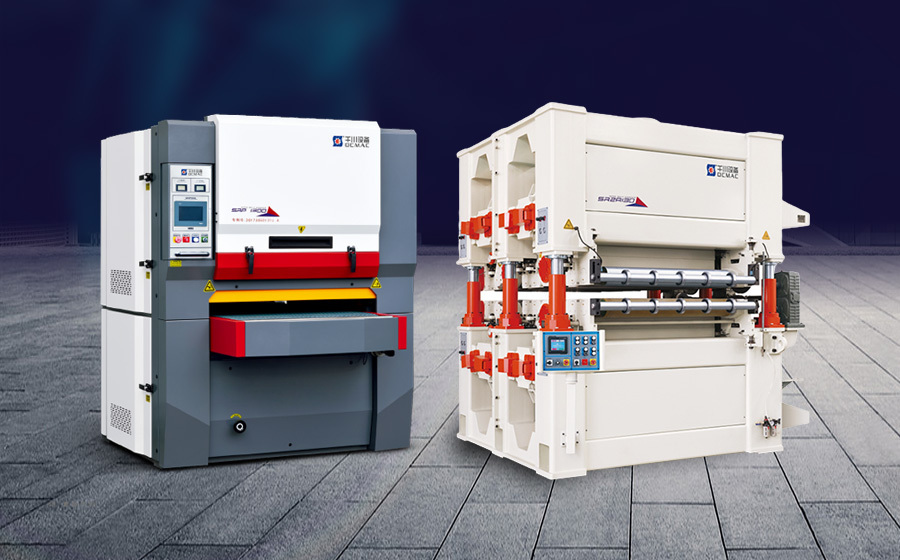
At the core of a particle board sanding machine is its sanding mechanism, typically composed of an abrasive material that grinds away surface defects. The design can vary, with some machines utilizing belt sanders, while others may use disc or drum configurations. Each type has its unique advantages, and the choice depends largely on the specific requirements of the project at hand.
When selecting a particle board sanding machine, it’s important to consider the following factors:
1. **Sanding Capability:** Different machines are equipped with varying grit sizes, which can significantly affect the quality of the finish. For finer finishes, machines with higher grit numbers are preferred; conversely, lower grits are suitable for initial material shaping and leveling.
2. **Speed and Efficiency:** The speed of the sanding process directly influences production efficiency. Machines that offer adjustable speeds allow operators to adapt settings based on the material type and desired finish, enhancing versatility and productivity.
3. **Dust Collection Systems:** Sanding generates a significant amount of dust, which can be hazardous if not properly managed. A high-quality particle board sanding machine should have an integrated dust collection system to minimize airborne particles and maintain a clean working environment.
4. **Ease of Use and Maintenance:** User-friendly controls and easy maintenance features can save time and reduce downtime. Machines with straightforward setups and servicing processes contribute to a more efficient workflow.
5. **Safety Features:** Given the nature of sanding operations, safety should never be overlooked. Machines equipped with emergency shut-off features, safety guards, and other protective mechanisms can help prevent accidents in the workplace.
To maximize the benefits of a particle board sanding machine, operators should be trained in its proper use and maintenance. Regular checks and adjustments can ensure that the machine operates at peak performance, leading to higher-quality outputs. Moreover, keeping an inventory of abrasive materials and replacement parts can help minimize disruptions during production runs.
In conclusion, investing in a particle board sanding machine is a critical decision for manufacturers looking to enhance their surface finishing processes. By understanding the machine’s capabilities and adhering to best practices, businesses can improve efficiency, quality, and overall production outcomes, positioning themselves competitively in the market.
Related News
Comparing Electric Sanding Machines: Which is Best for Calcium Silicate Boards?
Comparing Electric Sanding Machines: Which is Best for Calcium Silicate Boards? When it comes to working with calcium silicate boards, choosing the right electric sanding machine can significantly impact the quality of your finish. These boards, known for their fire resistance, moisture resistance, and sound insulation, are commonly used in construction and renovation projects. They require proper
Improving Particle Board Surface Finishing with More Consistent Sanding
best particle board sanding machine factories provide efficient equipment for smooth, consistent, and high-quality panel finishing.
Floating Sanding Machine for Stable Thickness Control and Efficient Wood Panel Processing
The newest floating sanding machine china offers efficient, stable sanding for woodworking panels and surface finishing.

QingDao QianChuan Woodworking Machinery Co., Ltd.
Tel: 400-008-0088
mailbox: sales@qianchuanshebei.cn
Add: No.10, 3Rd Wanan Road, Shibei District, Qingdao, P.R.C
Copyright©2023 QingDao QianChuan Woodworking Machinery Co., Ltd. Seo