
-
About UsQingdao Qianchuan Woodworking Machinery Co. Ltd (Qianchuan for short) was founded in 1992,which is a modern professional enterprise and gathers designing, manufacturing and selling woodworking machineries.

-
-
NewsQingdao Qianchuan Woodworking Machinery Co. Ltd (Qianchuan for short) was founded in 1992,which is a modern professional enterprise and gathers designing, manufacturing and selling woodworking machineries.


News Center
A Beginner's Journey: Getting Started with a Thickness Sanding Machine
Release time:
2026-04-06 11:10
A Beginner's Journey: Getting Started with a Thickness Sanding Machine
In the realm of woodworking, achieving the perfect finish is often a combination of skill, patience, and the right tools. Among these tools, the thickness sanding machine stands out as an essential piece of equipment that can greatly enhance the quality of your projects. Whether you're a hobbyist or stepping into the world of professional woodworking, understanding how to effectively use a thickness sander can elevate your craftsmanship. In this detailed guide, we will explore everything you need to know about thickness sanding machines, their benefits, and how to make the most out of them.
Table of Contents
- What is a Thickness Sanding Machine?
- Benefits of Using a Thickness Sanding Machine
- How to Choose the Right Thickness Sanding Machine
- Understanding the Components of a Thickness Sanding Machine
- Operating a Thickness Sanding Machine
- Common Mistakes to Avoid When Using a Thickness Sanding Machine
- Maintenance Tips for Thickness Sanding Machines
- Expert Tips for Beginners with Thickness Sanding Machines
- Frequently Asked Questions
What is a Thickness Sanding Machine?
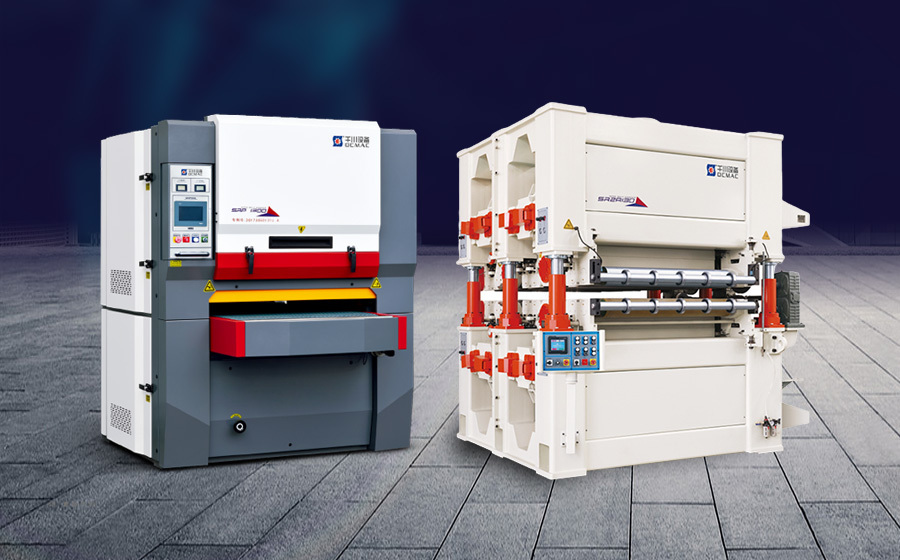
A thickness sanding machine, often referred to as a thickness sander or a drum sander, is a specialized piece of woodworking machinery designed to smooth and flatten wooden surfaces. Unlike traditional sanders that simply remove material from the surface, thickness sanders ensure uniform thickness throughout the workpiece, which is critical for achieving a professional finish. The machine uses a rotating drum covered with abrasive material to sand down the wood as it passes through the machine, allowing for precise control over the thickness of the material.
Benefits of Using a Thickness Sanding Machine
Enhanced Precision
One of the most significant advantages of using a thickness sanding machine is the precision it offers. The machine’s ability to maintain consistent thickness leads to better-fitting joints in woodworking projects. This precision is essential, particularly in fine woodworking, where small discrepancies can impact the final outcome.
Time Efficiency
Thickness sanders can save considerable time compared to manual sanding methods. With the ability to sand large surfaces quickly and evenly, these machines allow woodworkers to focus on other aspects of their projects, enhancing overall productivity.
Improved Surface Finish
A thickness sanding machine can provide a superior surface finish compared to traditional sanding methods. By evenly sanding the entire surface, it eliminates the risk of uneven patches or scratches, resulting in a professional-quality finish that can be easily stained or painted.
Versatility
These machines are versatile, accommodating various materials and thicknesses. Whether you’re working with hardwoods, softwoods, or engineered materials, a thickness sanding machine can be adjusted to meet the specific requirements of your project.
How to Choose the Right Thickness Sanding Machine
Assess Your Needs
Before purchasing a thickness sanding machine, assess your woodworking needs. Consider the types of projects you will undertake and the maximum thickness of materials you plan to work with. This evaluation will ensure you select a machine that aligns with your specific requirements.
Motor Power
Look for a machine with sufficient motor power to handle the materials you intend to sand. A more powerful motor will allow for better performance, especially when working with hardwoods or thicker materials.
Feed Rate and Width
The feed rate and sanding width are also essential considerations. A higher feed rate can increase productivity, while a wider sanding capacity allows for larger workpieces. Determine what will work best for your typical projects.
Portability and Space
Consider the size of the machine and your available workspace. If you have limited space, look for a more compact model that is easy to store and maneuver. For larger workshops, a more robust machine may be suitable.
Understanding the Components of a Thickness Sanding Machine
Drum Assembly
The drum assembly is the heart of the thickness sanding machine. It houses the sanding drum, which is covered in abrasive material. Understanding how to adjust the drum height is crucial for achieving the desired thickness.
Feed Table
The feed table supports the workpiece as it passes through the machine. Ensuring that the feed table is level and properly aligned is essential for consistent sanding results.
Dust Collection System
A robust dust collection system is vital for maintaining a clean workspace and ensuring safe operation. Effective dust management helps prevent wood shavings and dust from affecting your work quality and health.
Controls and Settings
Familiarize yourself with the controls and settings of your machine. Understanding how to adjust the speed, height, and other parameters will allow you to optimize the sanding process for different materials.
Operating a Thickness Sanding Machine
Preparation
Before using the thickness sanding machine, prepare your workspace. Clear any obstructions, check that the dust collection system is functioning, and ensure all safety equipment, such as goggles and ear protection, is available.
Setting Up the Machine
Adjust the drum height according to the thickness of your workpiece. A general rule of thumb is to set the drum at a height slightly above the material's thickness. This allows for an initial pass to remove material efficiently.
Feeding the Workpiece
When feeding the workpiece into the machine, ensure it is straight and securely held in place. Avoid forcing the material through the sander, as this can lead to uneven sanding and potential damage to the machine.
Monitoring Progress
As the workpiece passes through, monitor its progress closely. Make adjustments to the machine settings as needed to achieve the desired thickness, and check the surface regularly to ensure optimal results.
Common Mistakes to Avoid When Using a Thickness Sanding Machine
Neglecting Safety Precautions
One of the most critical aspects of using any machinery is safety. Always wear appropriate safety gear and ensure that you are familiar with the machine’s safety features to avoid accidents.
Overloading the Machine
Attempting to sand materials that are too thick or dense for the machine can lead to motor burnout and damage. Always refer to the manufacturer's guidelines for material specifications.
Skipping Maintenance
Regular maintenance is essential for the longevity of your thickness sanding machine. Don’t neglect cleaning the dust collection system and checking the drum for wear and tear.
Maintenance Tips for Thickness Sanding Machines
Regular Cleaning
After each use, clean the machine thoroughly to prevent build-up of dust and debris. This practice will keep the machine functioning correctly and extend its lifespan.
Inspecting the Drum
Regularly inspect the sanding drum for wear. Replace the abrasive material as it wears down to maintain optimal sanding performance. A worn drum can lead to poor finish quality and increased effort in sanding.
Lubrication
Keep moving parts lubricated according to the manufacturer's recommendations. Proper lubrication reduces friction and wear, enhancing the efficiency and longevity of the machine.
Expert Tips for Beginners with Thickness Sanding Machines
Start with Test Pieces
Before working on your final project, practice on scrap pieces. This helps you understand the machine's behavior and adjust settings without risking your primary materials.
Take Your Time
Don’t rush the sanding process. Taking your time ensures that you achieve a smooth finish and allows you to make adjustments as necessary during sanding.
Keep Your Workspace Organized
An organized workspace enhances safety and efficiency. Ensure that tools and materials are within reach but not cluttering the area around the thickness sander.
Seek Advice from Experienced Woodworkers
Don’t hesitate to ask for tips from seasoned woodworkers. Their experience can provide insights that books or manuals may not cover, helping you avoid common pitfalls.
Frequently Asked Questions
1. What types of wood can I use with a thickness sanding machine?
Thickness sanding machines can handle a variety of woods, including hardwoods and softwoods. Be sure to check your machine's specifications to ensure compatibility.
2. How often should I replace the sanding drum?
The sanding drum should be inspected regularly; replace it when you notice diminished performance or visible wear. This could be anywhere from several months to a couple of years, depending on usage.
3. Can I use a thickness sanding machine for non-wood materials?
While thickness sanders are primarily designed for wood, some can handle materials like soft plastics. Always consult your machine's manual for compatibility.
4. Is it necessary to use a dust collection system with a thickness sanding machine?
While not strictly necessary, a dust collection system is highly recommended. It improves air quality and keeps your workspace clean, which enhances safety and reduces cleanup time.
5. What is the ideal thickness for initial passes on hardwoods?
A good rule of thumb is to take off no more than 1/16 inch for initial passes on hardwoods. This minimizes strain on the machine and ensures a smoother finish.
Conclusion
Embarking on your woodworking journey with a thickness sanding machine opens up a realm of possibilities for achieving professional-quality finishes. By understanding the machine's components, selecting the right tool for your needs, and mastering operational techniques, you can significantly enhance your woodworking skills. Remember that practice makes perfect; don't hesitate to use test pieces and seek out expert advice along the way. With patience and attention to detail, your projects will reflect the artistry and craftsmanship that come with using a thickness sanding machine effectively.
Related News
Comparing Electric Sanding Machines: Which is Best for Calcium Silicate Boards?
Comparing Electric Sanding Machines: Which is Best for Calcium Silicate Boards? When it comes to working with calcium silicate boards, choosing the right electric sanding machine can significantly impact the quality of your finish. These boards, known for their fire resistance, moisture resistance, and sound insulation, are commonly used in construction and renovation projects. They require proper
Improving Particle Board Surface Finishing with More Consistent Sanding
best particle board sanding machine factories provide efficient equipment for smooth, consistent, and high-quality panel finishing.
Floating Sanding Machine for Stable Thickness Control and Efficient Wood Panel Processing
The newest floating sanding machine china offers efficient, stable sanding for woodworking panels and surface finishing.

QingDao QianChuan Woodworking Machinery Co., Ltd.
Tel: 400-008-0088
mailbox: sales@qianchuanshebei.cn
Add: No.10, 3Rd Wanan Road, Shibei District, Qingdao, P.R.C
Copyright©2023 QingDao QianChuan Woodworking Machinery Co., Ltd. Seo