
-
About UsQingdao Qianchuan Woodworking Machinery Co. Ltd (Qianchuan for short) was founded in 1992,which is a modern professional enterprise and gathers designing, manufacturing and selling woodworking machineries.

-
-
NewsQingdao Qianchuan Woodworking Machinery Co. Ltd (Qianchuan for short) was founded in 1992,which is a modern professional enterprise and gathers designing, manufacturing and selling woodworking machineries.


News Center
Streamlining Your Woodworking Process with Advanced Sanding Tools
Release time:
2026-04-10 11:10
Streamlining Your Woodworking Process with Advanced Sanding Tools
In the world of woodworking, the quality of the finish can make or break a project. Advanced sanding tools have revolutionized how we approach this critical step, allowing for **greater precision** and **efficiency**. In this article, we will explore various sanding tools, techniques, and best practices that can significantly enhance your woodworking process.
Table of Contents
1. Introduction to Advanced Sanding Tools
2. The Importance of Sanding in Woodworking
3. Types of Advanced Sanding Tools
- 3.1 Electric Sanders
- 3.2 Hand Sanders
- 3.3 Orbital Sanders
- 3.4 Belt Sanders
4. Effective Sanding Techniques
5. Choosing the Right Sanding Tool for Your Project
6. Maintaining Your Sanding Tools
7. Safety Tips for Using Sanding Tools
8. Conclusion
9. Frequently Asked Questions
Introduction to Advanced Sanding Tools
The advent of **advanced sanding tools** has empowered woodworkers to achieve superior finishes with minimal effort. These tools not only save time but also provide a level of **control** and **consistency** that manual sanding often cannot match. Understanding how these tools work and their specific applications can drastically improve the quality of your woodworking projects.
The Importance of Sanding in Woodworking
Sanding is a crucial step in the woodworking process. It prepares the surface for finishing, ensuring that stains, paints, and sealers adhere properly. Proper sanding eliminates imperfections and can highlight the natural beauty of the wood. Here are some key reasons why sanding is vital:
- **Surface Preparation**: Sanding smooths out rough spots and blemishes, providing an ideal surface for finishing.
- **Finish Quality**: A well-sanded piece will absorb stains and finishes evenly, enhancing the final appearance.
- **Wood Preservation**: By removing old finishes and exposing fresh wood, sanding helps preserve the integrity of the material.
Types of Advanced Sanding Tools
There are several types of sanding tools available, each designed for specific tasks. Understanding these tools will help you choose the right one for your projects.
Electric Sanders
Electric sanders are powered tools that offer consistent speed and efficiency. They are perfect for large surfaces and extensive projects. Some common types include:
- **Orbital Sanders**: These are versatile and can be used for both rough and fine sanding. They operate in a circular motion, making them ideal for smooth finishes.
- **Belt Sanders**: Known for their aggressive sanding capabilities, belt sanders are perfect for removing large amounts of material quickly.
Hand Sanders
While electric sanders have their advantages, hand sanding remains essential for detail work and tight spaces. Common hand sanders include:
- **Block Sanders**: These are great for small, flat surfaces and provide more control compared to electric options.
- **Detail Sanders**: Designed for intricate work, detail sanders reach corners and curves that larger tools cannot.
Orbital Sanders
Orbital sanders are among the most popular tools for woodworking. They combine speed and control, making them suitable for various tasks, from rough sanding to finishing. They operate on a circular orbital motion, reducing the risk of swirl marks.
Belt Sanders
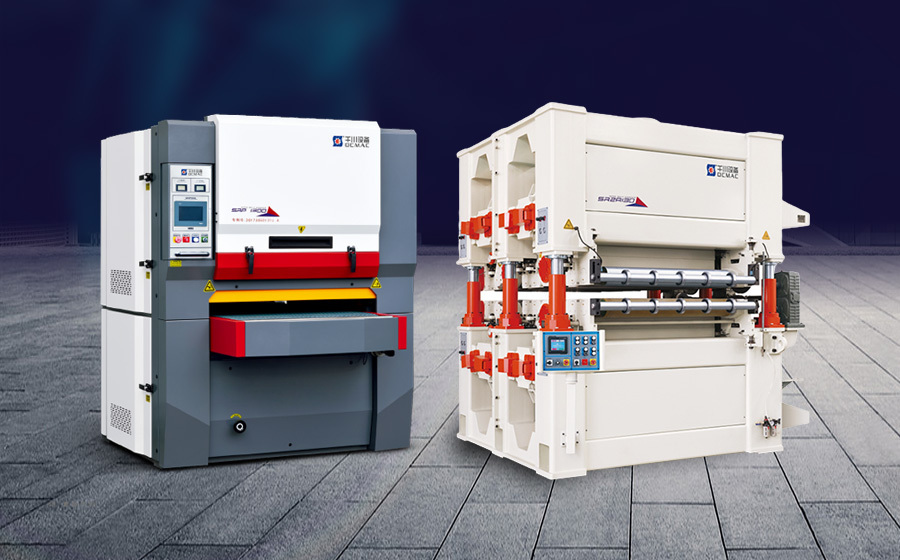
Belt sanders are powerful machines designed for aggressive material removal. They consist of a continuous loop of sandpaper that moves over two drums, making them ideal for flattening and smoothing large surfaces quickly.
Effective Sanding Techniques
Utilizing the right techniques is essential for maximizing the effectiveness of your sanding tools. Here are some recommended practices:
- **Start with Coarse Grit**: Begin sanding with a coarse grit sandpaper to remove imperfections and old finishes. Gradually move to finer grits for a smooth finish.
- **Keep the Sandpaper Flat**: Ensure that the sandpaper maintains contact with the surface evenly to avoid uneven sanding.
- **Sanding Direction**: Always sand in the direction of the wood grain to prevent scratches and achieve a more natural appearance.
- **Consistent Pressure**: Use consistent pressure to avoid gouging the wood. Let the tool do the work rather than forcing it.
Choosing the Right Sanding Tool for Your Project
Selecting the appropriate sanding tool is vital for achieving the best results. Consider the following factors:
- **Project Size**: For larger projects, electric sanders like belt or orbital sanders are more efficient. Hand sanders are better for detailed work and small areas.
- **Wood Type**: Different types of wood may require different sanding approaches. Softer woods may need less aggressive sanding than hardwoods.
- **Desired Finish**: The type of finish you plan to use will dictate the sanding process. For example, staining may require finer sanding than painting.
Maintaining Your Sanding Tools
Proper maintenance of your sanding tools ensures longevity and optimal performance. Here are some tips:
- **Clean Regularly**: Remove dust and debris from your sanding tools after each use to prevent clogging.
- **Inspect Sandpaper**: Check sandpaper for wear and replace it as needed. Worn sandpaper can lead to poor finishes.
- **Store Properly**: Keep sanding tools in a dry place and avoid exposing them to moisture to prevent rust and damage.
Safety Tips for Using Sanding Tools
Safety should always be a priority when using sanding tools. Follow these guidelines to ensure a safe working environment:
- **Wear Protective Gear**: Always wear safety goggles, dust masks, and hearing protection to safeguard against dust and noise.
- **Ventilate the Workspace**: Ensure proper ventilation to minimize dust inhalation and maintain air quality.
- **Secure Workpieces**: Use clamps or vises to hold your workpieces securely to prevent movement during sanding.
Conclusion
Streamlining your woodworking process with advanced sanding tools not only enhances the quality of your projects but also improves efficiency and saves time. By understanding the different types of sanding tools, effective techniques, and maintenance practices, you can achieve superior finishes that elevate your craftsmanship. Invest in the right tools, apply these tips, and watch your woodworking projects transform from good to exceptional!
Frequently Asked Questions
1. What type of sander is best for beginners?
For beginners, an **orbital sander** is often the best choice due to its versatility and ease of use.
2. How often should I change the sandpaper?
Change the sandpaper when it shows signs of wear, such as reduced effectiveness or clogging. Regular checks during projects are recommended.
3. Can I use electric sanders for detailed work?
Yes, but for intricate details, a **detail sander** or hand sanding may be more effective.
4. What grit sandpaper should I start with?
Start with a coarse grit (around 80-120 grit) for initial sanding, then progress to finer grits (220 grit and above) for finishing.
5. Are there any specific safety measures for electric sanders?
Always read the manufacturer's instructions, wear appropriate safety gear, and ensure proper ventilation in your workspace.
By utilizing the information and insights provided in this article, you can effectively enhance your woodworking process through the strategic use of advanced sanding tools.
Related News
Comparing Electric Sanding Machines: Which is Best for Calcium Silicate Boards?
Comparing Electric Sanding Machines: Which is Best for Calcium Silicate Boards? When it comes to working with calcium silicate boards, choosing the right electric sanding machine can significantly impact the quality of your finish. These boards, known for their fire resistance, moisture resistance, and sound insulation, are commonly used in construction and renovation projects. They require proper
Improving Particle Board Surface Finishing with More Consistent Sanding
best particle board sanding machine factories provide efficient equipment for smooth, consistent, and high-quality panel finishing.
Floating Sanding Machine for Stable Thickness Control and Efficient Wood Panel Processing
The newest floating sanding machine china offers efficient, stable sanding for woodworking panels and surface finishing.

QingDao QianChuan Woodworking Machinery Co., Ltd.
Tel: 400-008-0088
mailbox: sales@qianchuanshebei.cn
Add: No.10, 3Rd Wanan Road, Shibei District, Qingdao, P.R.C
Copyright©2023 QingDao QianChuan Woodworking Machinery Co., Ltd. Seo