
-
About UsQingdao Qianchuan Woodworking Machinery Co. Ltd (Qianchuan for short) was founded in 1992,which is a modern professional enterprise and gathers designing, manufacturing and selling woodworking machineries.

-
-
NewsQingdao Qianchuan Woodworking Machinery Co. Ltd (Qianchuan for short) was founded in 1992,which is a modern professional enterprise and gathers designing, manufacturing and selling woodworking machineries.


News Center
Maximizing Efficiency with Particle Board Sanding Machines: A Comprehensive Guide for Professionals
Release time:
2026-04-20 12:20
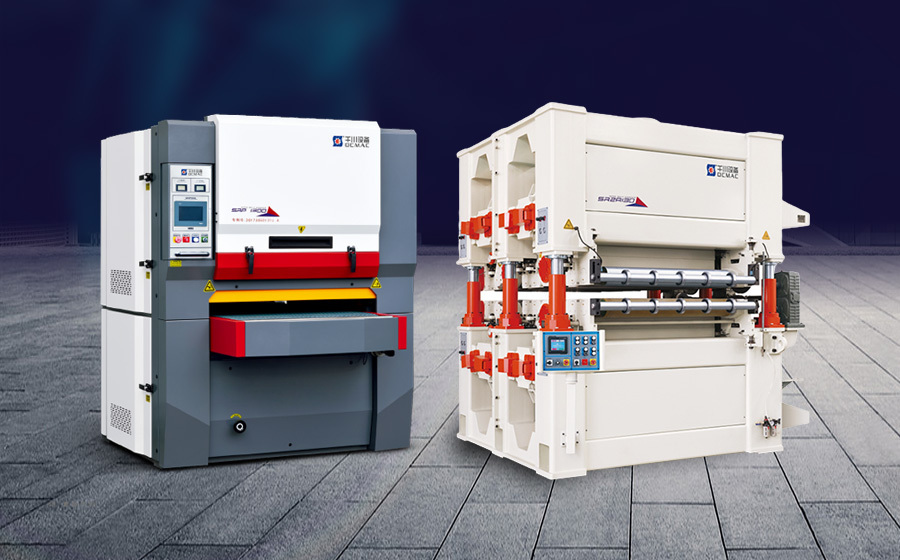
Understanding the types of sanding machines available is fundamental. There are various designs, including belt sanders, disc sanders, and drum sanders. Each type has its own set of advantages depending on the specific requirements of the project. Belt sanders are ideal for large surfaces and can remove considerable material quickly, while disc sanders offer precision for smaller areas. Drum sanders, on the other hand, are excellent for achieving uniform thickness across the board.
When selecting a particle board sanding machine, consider factors such as the machine’s power, speed, and dust collection capabilities. A powerful motor ensures that the machine can handle dense materials without bogging down. Adjustable speeds can cater to different types of sanding tasks, allowing for greater versatility. Moreover, effective dust collection systems are critical in maintaining a clean workspace and improving air quality, which is especially important in enclosed environments.
Maintenance is another critical aspect that professionals should not overlook. Regular checks and maintenance of the sanding machine can prolong its life and ensure consistent performance. This includes replacing sanding belts or discs as they wear down, cleaning dust filters, and lubricating moving parts. By investing time in maintenance, operators can avoid unexpected downtimes and costly repairs.
In addition, the integration of advanced technology into particle board sanding machines has revolutionized the industry. Features such as digital controls, automatic adjustments, and real-time feedback systems can significantly enhance the user experience and result in superior finishes. Understanding these technological advancements can provide manufacturers with a competitive edge by improving efficiency and product consistency.
Finally, training personnel on the proper operation and handling of particle board sanding machines is essential. Well-trained staff can maximize the machine's capabilities, reduce waste, and ensure safety protocols are followed. Regular workshops and training sessions can be beneficial in keeping the workforce updated on the latest techniques and safety standards.
In conclusion, a comprehensive understanding of particle board sanding machines, their functionalities, and maintenance can significantly impact the quality and efficiency of manufacturing processes. By focusing on these aspects, professionals can enhance their production capabilities and deliver superior products to the market.
Related News
Comparing Electric Sanding Machines: Which is Best for Calcium Silicate Boards?
Comparing Electric Sanding Machines: Which is Best for Calcium Silicate Boards? When it comes to working with calcium silicate boards, choosing the right electric sanding machine can significantly impact the quality of your finish. These boards, known for their fire resistance, moisture resistance, and sound insulation, are commonly used in construction and renovation projects. They require proper
Improving Particle Board Surface Finishing with More Consistent Sanding
best particle board sanding machine factories provide efficient equipment for smooth, consistent, and high-quality panel finishing.
Floating Sanding Machine for Stable Thickness Control and Efficient Wood Panel Processing
The newest floating sanding machine china offers efficient, stable sanding for woodworking panels and surface finishing.

QingDao QianChuan Woodworking Machinery Co., Ltd.
Tel: 400-008-0088
mailbox: sales@qianchuanshebei.cn
Add: No.10, 3Rd Wanan Road, Shibei District, Qingdao, P.R.C
Copyright©2023 QingDao QianChuan Woodworking Machinery Co., Ltd. Seo