
-
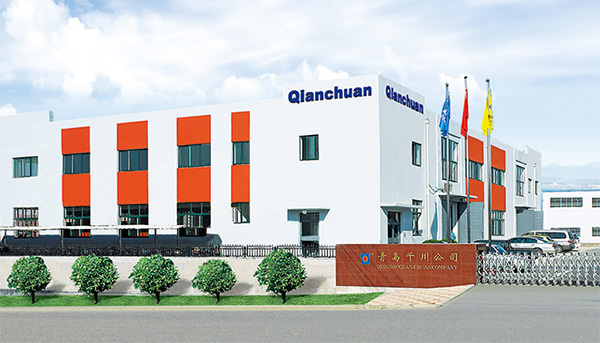
About UsQingdao Qianchuan Woodworking Machinery Co. Ltd (Qianchuan for short) was founded in 1992,which is a modern professional enterprise and gathers designing, manufacturing and selling woodworking machineries.
-
-
NewsQingdao Qianchuan Woodworking Machinery Co. Ltd (Qianchuan for short) was founded in 1992,which is a modern professional enterprise and gathers designing, manufacturing and selling woodworking machineries.


News Center
Understanding Floating Thickness Sanding Machines: A Comprehensive Guide
Release time:
2026-04-28 10:40
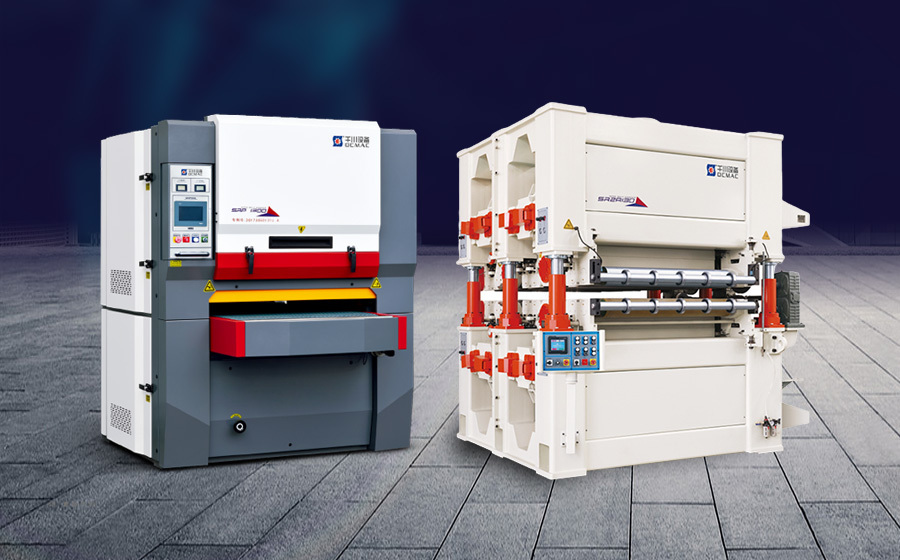
At the core of a floating thickness sanding machine is its ability to adapt to the surface of the material being worked on. The "floating" mechanism enables the sanding head to adjust its position slightly to accommodate any imperfections on the workpiece. This adaptability is crucial for achieving an even thickness across the entire surface, which is particularly important in applications where precision is non-negotiable.
One significant advantage of using a floating thickness sanding machine is its efficiency. Traditional sanding methods often require multiple passes or manual adjustments to obtain the desired finish. In contrast, the floating mechanism allows for a more uniform sanding process, significantly reducing production time and labor costs. Additionally, these machines often come equipped with advanced dust collection systems, which help maintain a clean work environment by minimizing the amount of airborne dust generated during operation.
Another noteworthy feature of floating thickness sanding machines is their versatility. They can be used not only for sanding but also for other operations such as leveling and finishing. This multifunctionality makes them an invaluable asset in any manufacturing setup, allowing operators to switch between tasks without needing multiple machines. This can lead to increased productivity and streamlined workflow, ultimately benefiting the overall output of the facility.
When considering the integration of floating thickness sanding machines into a manufacturing process, it's essential to evaluate the specific requirements of your operation. Factors such as material type, thickness tolerance, and desired finish quality should all be taken into account. Understanding these parameters will help in selecting the right machine configuration and settings to achieve optimal results.
In conclusion, floating thickness sanding machines stand out as a cornerstone technology in the realm of surface finishing. Their ability to provide consistent, high-quality results while maximizing efficiency makes them an excellent choice for professionals in the manufacturing and woodworking industries. By leveraging the advantages of these machines, businesses can enhance their production capabilities and improve the overall quality of their products.
Related News
Comparing Electric Sanding Machines: Which is Best for Calcium Silicate Boards?
Comparing Electric Sanding Machines: Which is Best for Calcium Silicate Boards? When it comes to working with calcium silicate boards, choosing the right electric sanding machine can significantly impact the quality of your finish. These boards, known for their fire resistance, moisture resistance, and sound insulation, are commonly used in construction and renovation projects. They require proper
Improving Particle Board Surface Finishing with More Consistent Sanding
best particle board sanding machine factories provide efficient equipment for smooth, consistent, and high-quality panel finishing.
Floating Sanding Machine for Stable Thickness Control and Efficient Wood Panel Processing
The newest floating sanding machine china offers efficient, stable sanding for woodworking panels and surface finishing.

QingDao QianChuan Woodworking Machinery Co., Ltd.
Tel: 400-008-0088
mailbox: sales@qianchuanshebei.cn
Add: No.10, 3Rd Wanan Road, Shibei District, Qingdao, P.R.C
Copyright©2023 QingDao QianChuan Woodworking Machinery Co., Ltd. Seo