
-
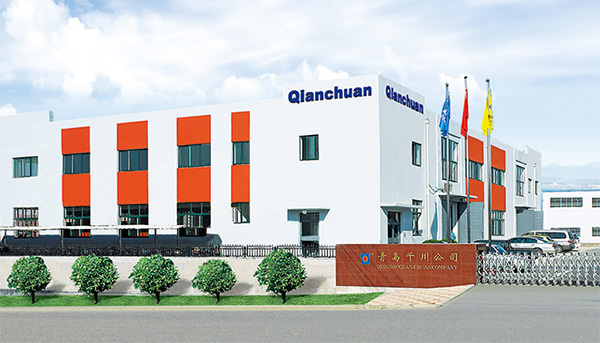
About UsQingdao Qianchuan Woodworking Machinery Co. Ltd (Qianchuan for short) was founded in 1992,which is a modern professional enterprise and gathers designing, manufacturing and selling woodworking machineries.
-
-
NewsQingdao Qianchuan Woodworking Machinery Co. Ltd (Qianchuan for short) was founded in 1992,which is a modern professional enterprise and gathers designing, manufacturing and selling woodworking machineries.


News Center
The Future of Woodworking: Embracing Ecological Board Sanding Technology
Release time:
2026-05-08 12:50
The Future of Woodworking: Embracing Ecological Board Sanding Technology
The woodworking industry is undergoing a significant transformation, driven by a growing awareness of environmental sustainability and the demand for efficient, high-quality production processes. In this expansive guide, we will delve into the innovative world of ecological board sanding technology, exploring its benefits, applications, and the future it promises for woodworking professionals and enthusiasts alike.
Table of Contents
- Understanding Ecological Board Sanding Technology
- Benefits of Ecological Sanding Technology
- Key Innovations in Board Sanding Technology
- How Ecological Sanding Works
- Sustainable Materials and Eco-Friendly Practices
- Integrating Technology in Woodworking
- Case Studies of Ecological Sanding Technology
- Future Trends and Developments
- FAQs
- Conclusion
Understanding Ecological Board Sanding Technology
Ecological board sanding technology represents a paradigm shift in the woodworking industry. Traditional sanding processes often rely on harsh chemicals and energy-intensive machinery, leading to significant waste and environmental impact. In contrast, ecological sanding focuses on sustainable practices that minimize harm to the environment while maximizing efficiency and product quality.
This technology incorporates advanced machinery designed to reduce energy consumption and waste production. By employing environmentally friendly materials and processes, manufacturers can create products that meet the growing consumer demand for sustainable options without compromising on quality.
Benefits of Ecological Sanding Technology
Embracing ecological board sanding technology offers numerous advantages for woodworking professionals and businesses:
1. Environmental Sustainability
One of the most significant benefits is the reduction of harmful emissions and waste. Ecological sanding processes often use water-based adhesives and finishes, drastically decreasing volatile organic compounds (VOCs) released into the atmosphere. This commitment to environmental sustainability not only aligns with global efforts to combat climate change but also enhances the brand reputation of companies that adopt these practices.
2. Improved Product Quality
With advancements in sanding technology, the finish on wood products can be smoother and more consistent. Ecological sanding machines often provide enhanced precision, leading to higher-quality finished products that satisfy customer expectations. A well-sanded surface not only looks better but also performs better in terms of durability and longevity.
3. Cost Efficiency
While the initial investment in ecological sanding technology may be higher, the long-term savings can be substantial. Reduced material waste, lower energy consumption, and decreased need for additional finishing processes contribute to overall cost savings in production. Companies can also benefit from potential tax incentives for adopting eco-friendly practices.
4. Compliance with Regulations
As regulations around environmental practices become stricter, businesses that adopt ecological sanding technologies can ensure compliance with local and international laws. This proactive approach can safeguard against potential fines and enhance overall business operations.
Key Innovations in Board Sanding Technology
Innovations in ecological board sanding technology are rapidly evolving, providing woodworking businesses with the tools needed to stay competitive in a changing market. Here are some key innovations:
1. Advanced Sanding Machines
Modern sanding machines now incorporate intelligent features like automated settings and real-time feedback systems. These advancements allow for precise control of sanding pressure and speed, optimizing performance and minimizing material loss.
2. Dust Collection Systems
Effective dust collection systems are fundamental in ecological sanding. New technologies have made it possible to capture up to 99% of the dust generated during sanding, improving air quality in the workplace and reducing cleanup times. This not only benefits workers’ health but also maintains a cleaner production environment.
3. Adaptive Sanding Technologies
Adaptive sanding technologies utilize sensors and AI to adjust sanding processes based on the wood type and condition. This customization ensures that each piece receives the appropriate treatment, maximizing efficiency and minimizing waste.
How Ecological Sanding Works
The ecological sanding process is built on principles of sustainability and efficiency. Here’s an overview of how it works:
1. Material Selection
Choosing sustainable materials is the first step in ecological sanding. This includes selecting wood sourced from responsibly managed forests and utilizing eco-friendly adhesives and finishes. These materials are crucial for reducing the overall environmental impact of the final product.
2. Machinery and Techniques
Ecological sanding machines are designed with energy-efficient motors and optimized sanding belts that consume less power and generate less waste. The use of water-based abrasives helps to minimize VOC emissions, ensuring a safer work environment.
3. Waste Management
Effective waste management practices are integral to ecological sanding. This includes recycling wood shavings and dust collected during the sanding process and reusing them in other applications, such as particleboard production or animal bedding.
Sustainable Materials and Eco-Friendly Practices
Utilizing sustainable materials is central to ecological sanding technology. Here are some practices to consider:
1. Sourcing Responsibly
Woodworkers should prioritize sourcing materials from suppliers who practice sustainable forestry. Certifications such as Forest Stewardship Council (FSC) ensure that the wood is harvested responsibly, supporting forest conservation and biodiversity.
2. Eco-Friendly Finishes
Opt for finishes that are low in VOCs, such as water-based stains and sealers. These products not only minimize environmental impact but also improve indoor air quality, making them safer for both workers and consumers.
3. Energy Efficiency
Implement energy-saving practices in the workshop, such as using LED lighting, investing in efficient machinery, and optimizing production schedules to reduce energy consumption during peak times.
Integrating Technology in Woodworking
The integration of advanced technologies into woodworking operations is essential for staying competitive. Here are ways to incorporate technological advancements:
1. Digital Tools and Software
Utilizing CAD (Computer-Aided Design) software allows woodworkers to create precise designs and prototypes, reducing material waste during production. Additionally, software tools can aid in inventory management and tracking sustainable materials.
2. Automation
Incorporating automated systems in sanding processes can enhance efficiency and consistency. Robots can perform repetitive tasks, allowing skilled workers to focus on more complex operations that require human expertise.
3. Training and Development
Investing in training for staff on new technologies and sustainable practices is vital. Continuous education ensures that workers are equipped with the necessary skills to operate advanced machinery and understand the importance of ecological practices.
Case Studies of Ecological Sanding Technology
Real-world applications of ecological board sanding technology can provide valuable insights into its benefits:
1. Company A: Reducing Waste
Company A implemented an ecological sanding process that involved upgrading their machinery and adopting a closed-loop waste management system. As a result, they reduced wood waste by 30%, significantly lowering their production costs and enhancing their sustainability profile.
2. Company B: Improving Product Quality
Company B embraced advanced sanding technology, which allowed them to achieve a higher-quality finish on their products. Customers reported increased satisfaction, leading to repeat business and enhanced brand loyalty.
Future Trends and Developments
The future of woodworking is bright, with numerous trends on the horizon:
1. Increased Automation
As technology continues to evolve, we can expect increased automation in woodworking processes. This trend will lead to greater efficiency, reduced labor costs, and improved safety on the shop floor.
2. Enhanced Collaboration
Collaboration between manufacturers, suppliers, and consumers will drive innovation in sustainable practices. Sharing knowledge and resources will lead to the development of improved materials and processes that benefit the entire industry.
3. Circular Economy Practices
The adoption of circular economy principles will gain traction, with an emphasis on recycling and reusing materials throughout the production cycle. This shift will redefine how businesses approach sustainability and waste management.
FAQs
1. What is ecological board sanding technology?
Ecological board sanding technology focuses on sustainable practices and machinery to minimize environmental impact while enhancing product quality in woodworking.
2. How does ecological sanding differ from traditional sanding?
Unlike traditional sanding methods that may use harsh chemicals and high energy consumption, ecological sanding employs sustainable materials and eco-friendly processes to reduce waste and emissions.
3. What are the benefits of using ecological sanding technology?
The benefits include improved environmental sustainability, enhanced product quality, cost efficiency, and compliance with regulations.
4. How can businesses implement ecological sanding technology?
Businesses can implement ecological sanding technology by investing in modern machinery, selecting sustainable materials, and adopting waste management practices.
5. What future trends should we expect in woodworking?
We can expect increased automation, enhanced collaboration within the industry, and the adoption of circular economy practices in woodworking.
Conclusion
The woodworking industry stands on the brink of a significant evolution, driven by ecological board sanding technology. By embracing innovative practices and sustainable materials, woodworkers can improve product quality, reduce environmental impact, and ensure compliance with emerging regulations. As we look to the future, the commitment to ecological responsibility will not only shape the woodworking industry but also contribute to a healthier planet for generations to come. Embracing these advancements now will position woodworking professionals for success in a rapidly changing landscape.
Related News
Comparing Electric Sanding Machines: Which is Best for Calcium Silicate Boards?
Comparing Electric Sanding Machines: Which is Best for Calcium Silicate Boards? When it comes to working with calcium silicate boards, choosing the right electric sanding machine can significantly impact the quality of your finish. These boards, known for their fire resistance, moisture resistance, and sound insulation, are commonly used in construction and renovation projects. They require proper
Improving Particle Board Surface Finishing with More Consistent Sanding
best particle board sanding machine factories provide efficient equipment for smooth, consistent, and high-quality panel finishing.
Floating Sanding Machine for Stable Thickness Control and Efficient Wood Panel Processing
The newest floating sanding machine china offers efficient, stable sanding for woodworking panels and surface finishing.

QingDao QianChuan Woodworking Machinery Co., Ltd.
Tel: 400-008-0088
mailbox: sales@qianchuanshebei.cn
Add: No.10, 3Rd Wanan Road, Shibei District, Qingdao, P.R.C
Copyright©2023 QingDao QianChuan Woodworking Machinery Co., Ltd. Seo