
-
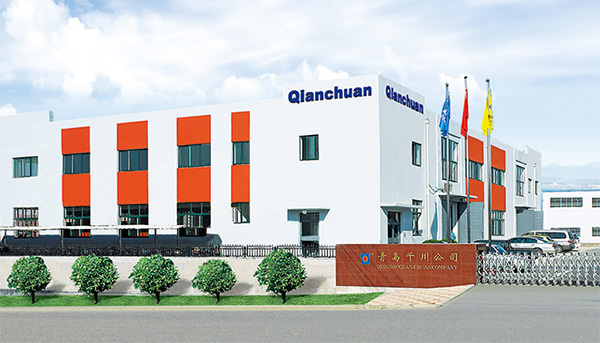
About UsQingdao Qianchuan Woodworking Machinery Co. Ltd (Qianchuan for short) was founded in 1992,which is a modern professional enterprise and gathers designing, manufacturing and selling woodworking machineries.
-
-
NewsQingdao Qianchuan Woodworking Machinery Co. Ltd (Qianchuan for short) was founded in 1992,which is a modern professional enterprise and gathers designing, manufacturing and selling woodworking machineries.


News Center
Understanding Floating Thickness Sanding Machines: Essential Insights for Manufacturing Professionals
Release time:
2026-05-18 11:00
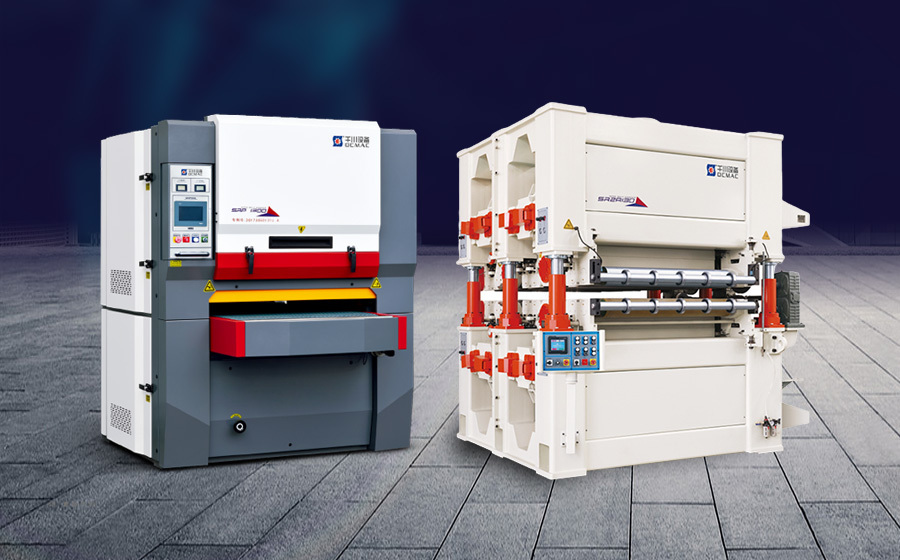
One of the most significant advantages of floating thickness sanding machines is their ability to ensure consistent material removal. Unlike traditional sanding machines that may apply uneven pressure, floating machines adjust automatically to the surface, preventing gouging and ensuring an even finish. This feature is particularly beneficial in high-production environments where quality control is essential.
In addition to their precision, floating thickness sanding machines are known for their versatility. They can handle a variety of materials, including hardwood, softwood, and composite materials. This adaptability makes them an invaluable asset in workshops that work with different types of wood or other materials requiring sanding. The ability to switch between materials without needing extensive recalibration saves time and increases productivity.
When considering the implementation of a floating thickness sanding machine, it is essential to evaluate the specific needs of your operation. Factors such as the types of materials you work with, the volume of production, and the desired finish quality will influence the best choice for your workshop. Investing in a quality machine can lead to significant time savings and improved product quality, directly impacting your bottom line.
Moreover, maintenance and operational practices play a critical role in maximizing the benefits of floating thickness sanding machines. Regularly inspecting and replacing sanding belts, keeping the machine clean, and ensuring proper alignment will extend the life of the equipment and maintain its performance. Training operators to understand the features and capabilities of the machine also enhances efficiency and output quality.
In summary, floating thickness sanding machines represent a vital component in modern manufacturing processes, offering precision, versatility, and efficiency. By understanding their functionality and benefits, professionals in the electric tool and manufacturing industry can make informed decisions that enhance their operations. Whether you're a small workshop or a large-scale production facility, incorporating a floating thickness sanding machine can lead to superior results in sanding applications, helping you stay competitive in the market.
Related News
Comparing Electric Sanding Machines: Which is Best for Calcium Silicate Boards?
Comparing Electric Sanding Machines: Which is Best for Calcium Silicate Boards? When it comes to working with calcium silicate boards, choosing the right electric sanding machine can significantly impact the quality of your finish. These boards, known for their fire resistance, moisture resistance, and sound insulation, are commonly used in construction and renovation projects. They require proper
Improving Particle Board Surface Finishing with More Consistent Sanding
best particle board sanding machine factories provide efficient equipment for smooth, consistent, and high-quality panel finishing.
Floating Sanding Machine for Stable Thickness Control and Efficient Wood Panel Processing
The newest floating sanding machine china offers efficient, stable sanding for woodworking panels and surface finishing.

QingDao QianChuan Woodworking Machinery Co., Ltd.
Tel: 400-008-0088
mailbox: sales@qianchuanshebei.cn
Add: No.10, 3Rd Wanan Road, Shibei District, Qingdao, P.R.C
Copyright©2023 QingDao QianChuan Woodworking Machinery Co., Ltd. Seo