
-
About UsQingdao Qianchuan Woodworking Machinery Co. Ltd (Qianchuan for short) was founded in 1992,which is a modern professional enterprise and gathers designing, manufacturing and selling woodworking machineries.

-
-
NewsQingdao Qianchuan Woodworking Machinery Co. Ltd (Qianchuan for short) was founded in 1992,which is a modern professional enterprise and gathers designing, manufacturing and selling woodworking machineries.


News Center
The Essential Guide to Floating Thickness Sanding Machines: Enhancing Precision in Woodworking
Release time:
2026-06-11 09:40
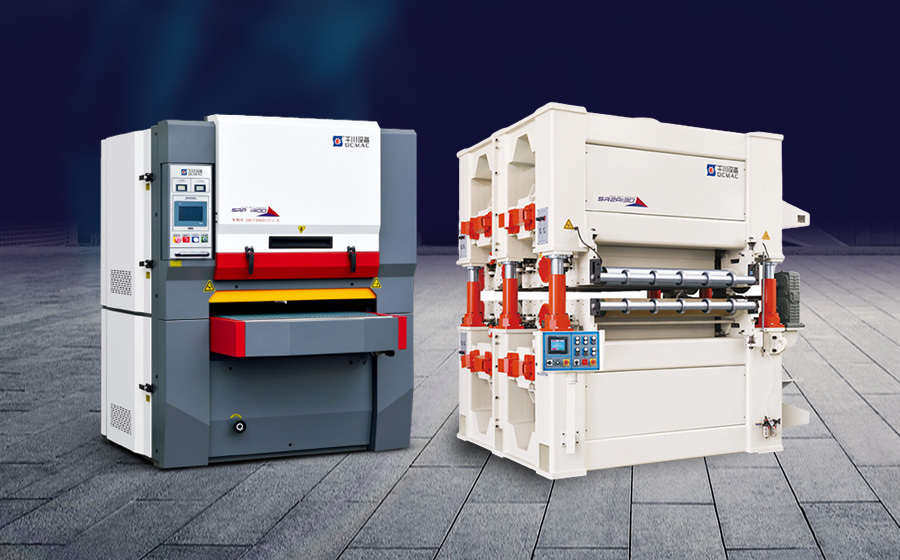
One of the primary advantages of floating thickness sanding machines is their ability to sand materials of varying thicknesses without the need for manual adjustments. This feature ensures that the final product maintains an even surface, reducing the risk of imperfections that can occur with traditional sanding methods. The floating action allows the machine to adapt to the contours of the material being processed, resulting in a smoother finish and improved overall quality.
Another significant benefit is the increased efficiency these machines offer. By automating the sanding process, operators can save considerable time compared to manual sanding. This efficiency is particularly important in high-volume production settings where speed and consistency are key. With a floating thickness sanding machine, businesses can meet tight deadlines without sacrificing quality.
The versatility of floating thickness sanding machines also deserves attention. They can effectively sand various materials, including hardwoods, softwoods, and composites, making them suitable for a wide range of applications. Whether you are working on furniture, cabinetry, or flooring, these machines provide the flexibility needed to achieve the desired finish.
When it comes to maintenance, floating thickness sanding machines are designed for easy upkeep. Regular maintenance tasks, such as changing sandpaper and cleaning the machine, can be performed without disrupting production, ensuring that operators can keep their machines in optimal working condition. This reliability further enhances the machine's appeal to professionals who rely on their equipment for consistent results.
In conclusion, floating thickness sanding machines represent a significant advancement in the capabilities of sanding technology. Their ability to provide a uniform finish, increase efficiency, and adapt to various materials makes them a valuable asset in any woodworking or manufacturing operation. By investing in a floating thickness sanding machine, professionals can elevate their production standards and ensure that every piece meets the highest quality criteria.
Related News
A Comparative Review of Popular Thickness Sanding Machines in the Market
A Comparative Review of Popular Thickness Sanding Machines in the Market Introduction to Thickness Sanding Machines Thickness sanding machines play a crucial role in woodworking, allowing craftsmen to achieve smooth finishes on wood surfaces. These machines are designed to remove material from the surface of the wood, ensuring uniformity in thickness. In this article, we will explore the top thick
Essential Guide to Sanding Equipment for Paint Sanding: Enhancing Your Finishing Process
When it comes to paint sanding, the right sanding equipment can significantly impact the quality of your finish and the efficiency of your workflow. Understanding the various types of sanding equipment for paint sanding can help professionals make informed decisions, streamline processes, and achieve superior results. Sanding equipment primarily includes hand-held tools and machines designed to sm

QingDao QianChuan Woodworking Machinery Co., Ltd.
Tel: 400-008-0088
mailbox: sales@qianchuanshebei.cn
Add: No.10, 3Rd Wanan Road, Shibei District, Qingdao, P.R.C
Copyright©2023 QingDao QianChuan Woodworking Machinery Co., Ltd. Seo