
-
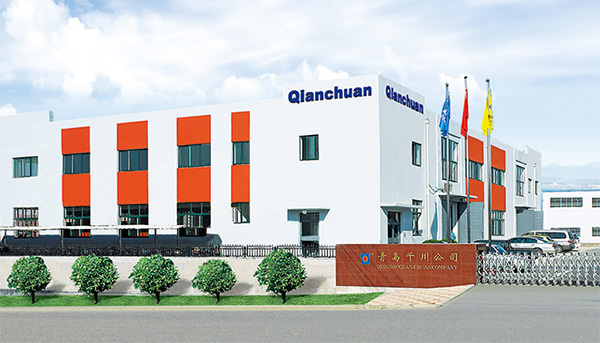
About UsQingdao Qianchuan Woodworking Machinery Co. Ltd (Qianchuan for short) was founded in 1992,which is a modern professional enterprise and gathers designing, manufacturing and selling woodworking machineries.
-
-
NewsQingdao Qianchuan Woodworking Machinery Co. Ltd (Qianchuan for short) was founded in 1992,which is a modern professional enterprise and gathers designing, manufacturing and selling woodworking machineries.


News Center
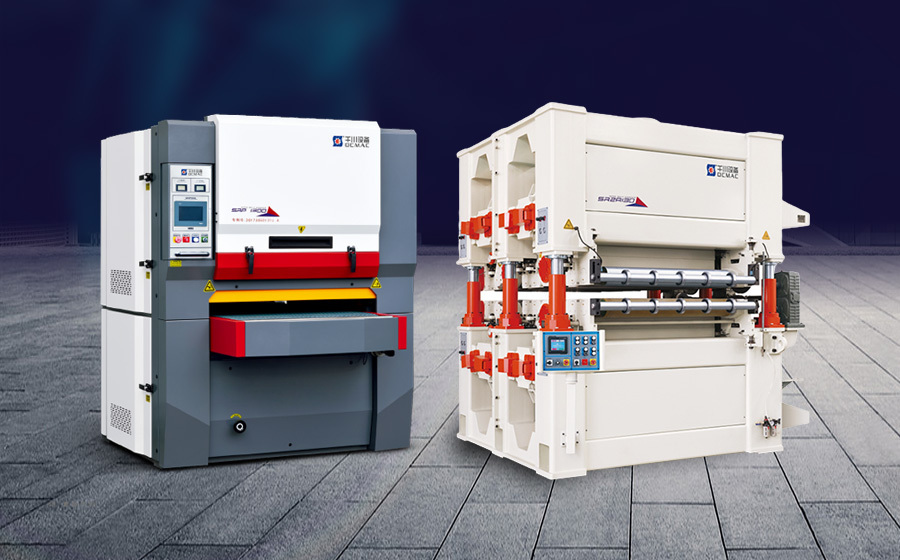
Understanding Floating Sanding Machines: Revolutionizing Surface Finishing in Manufacturing
Release time:
2026-06-17 10:10
One of the primary advantages of floating sanding machines is their ability to adapt to various surface contours. This adaptability is particularly valuable when working with irregular shapes or curved surfaces, which are commonly found in custom fabrication and woodworking projects. By ensuring consistent contact with the workpiece, these machines significantly reduce the chances of gouging or scratching the surface, which is often a concern with rigid sanding tools.
In addition to their improved performance, floating sanding machines often incorporate advanced technology that enhances user comfort and reduces fatigue. Many models are designed with ergonomic handles and lightweight construction, allowing operators to use them for extended periods without discomfort. Additionally, some floating sanding machines feature adjustable speed settings, enabling users to customize the sanding process according to the material and desired finish.
Moreover, floating sanding machines contribute to increased productivity in manufacturing settings. By streamlining the sanding process, these machines can reduce the time spent on surface preparation, allowing for quicker project turnaround. This efficiency is crucial in industries where time is a critical factor, such as automotive manufacturing or furniture production.
When considering the use of a floating sanding machine, it is essential to select the appropriate sanding pads or discs. The choice of abrasives can significantly impact the performance and finish quality. Various materials are available, each suited for different applications, from coarse sanding to fine polishing. Understanding the requirements of the specific task at hand will ensure optimal results.
In conclusion, floating sanding machines represent a notable evolution in the field of electric sanding tools. Their ability to provide a consistent and high-quality finish while enhancing user comfort makes them a valuable asset in the manufacturing process. For professionals looking to improve their surface finishing techniques, investing in a floating sanding machine could lead to significant benefits in both efficiency and quality of work.
Related News
Comparing Electric Sanding Machines: Which is Best for Calcium Silicate Boards?
Comparing Electric Sanding Machines: Which is Best for Calcium Silicate Boards? When it comes to working with calcium silicate boards, choosing the right electric sanding machine can significantly impact the quality of your finish. These boards, known for their fire resistance, moisture resistance, and sound insulation, are commonly used in construction and renovation projects. They require proper
Improving Particle Board Surface Finishing with More Consistent Sanding
best particle board sanding machine factories provide efficient equipment for smooth, consistent, and high-quality panel finishing.
Floating Sanding Machine for Stable Thickness Control and Efficient Wood Panel Processing
The newest floating sanding machine china offers efficient, stable sanding for woodworking panels and surface finishing.

QingDao QianChuan Woodworking Machinery Co., Ltd.
Tel: 400-008-0088
mailbox: sales@qianchuanshebei.cn
Add: No.10, 3Rd Wanan Road, Shibei District, Qingdao, P.R.C
Copyright©2023 QingDao QianChuan Woodworking Machinery Co., Ltd. Seo