
-
About UsQingdao Qianchuan Woodworking Machinery Co. Ltd (Qianchuan for short) was founded in 1992,which is a modern professional enterprise and gathers designing, manufacturing and selling woodworking machineries.

-
-
NewsQingdao Qianchuan Woodworking Machinery Co. Ltd (Qianchuan for short) was founded in 1992,which is a modern professional enterprise and gathers designing, manufacturing and selling woodworking machineries.


News Center
Exploring the Benefits of Particle Board Sanding Machines for Enhanced Woodworking Efficiency
Release time:
2026-06-29 12:10
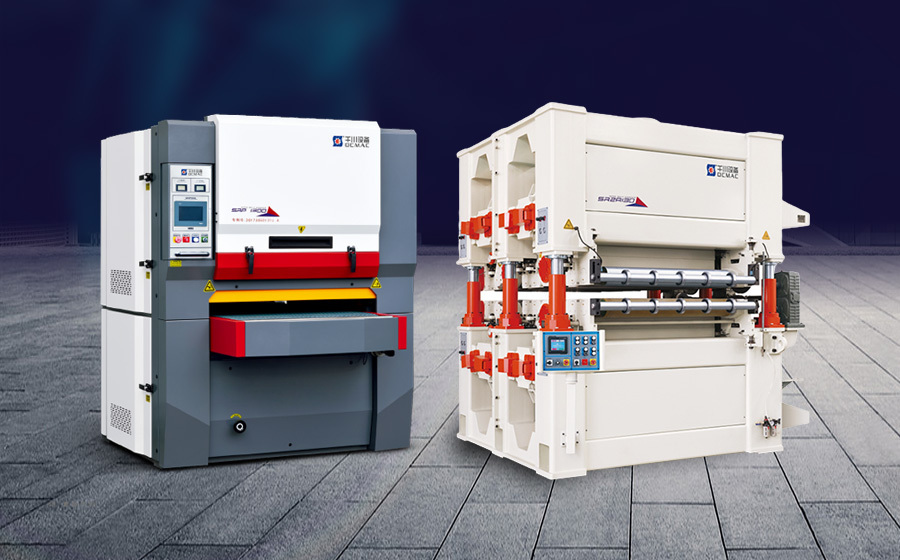
One of the primary advantages of using a particle board sanding machine is the consistency it brings to the sanding process. Whether you’re working with large sheets or intricate components, these machines can deliver uniform results, reducing the risk of uneven surfaces that are common with manual sanding methods. This consistency not only enhances the visual appeal of the finished product but also ensures better adhesion for paints, stains, or finishes.
Additionally, particle board sanding machines are engineered for efficiency. Many models are equipped with advanced features such as adjustable speed settings and automatic feed systems, allowing operators to optimize the sanding process based on the specific characteristics of the material being processed. This adaptability can significantly reduce production times, enabling businesses to meet tight deadlines without compromising on quality.
Another key benefit is the improved safety and ergonomics these machines offer. Manual sanding can be labor-intensive and potentially hazardous, leading to fatigue and repetitive strain injuries. By utilizing a dedicated sanding machine, operators can work with greater comfort and safety, reducing the physical toll associated with manual sanding tasks. This not only contributes to a healthier workplace but can also enhance overall productivity.
Moreover, particle board sanding machines are often designed with dust collection systems that help maintain a cleaner working environment. This is particularly important when working with particle board, which can generate a significant amount of dust and debris. Effective dust management not only keeps the workspace tidy but also contributes to better air quality, protecting the health of workers and enhancing compliance with safety regulations.
In summary, investing in a particle board sanding machine can greatly benefit those in the woodworking and manufacturing sectors. With enhanced consistency, efficiency, safety, and cleanliness, these machines streamline the sanding process and elevate the overall quality of woodworking projects. As businesses seek to improve their production capabilities and product quality, the role of specialized equipment like particle board sanding machines becomes increasingly important in driving success and achieving competitive advantages in the market.
Related News
Comparing Electric Sanding Machines: Which is Best for Calcium Silicate Boards?
Comparing Electric Sanding Machines: Which is Best for Calcium Silicate Boards? When it comes to working with calcium silicate boards, choosing the right electric sanding machine can significantly impact the quality of your finish. These boards, known for their fire resistance, moisture resistance, and sound insulation, are commonly used in construction and renovation projects. They require proper
Improving Particle Board Surface Finishing with More Consistent Sanding
best particle board sanding machine factories provide efficient equipment for smooth, consistent, and high-quality panel finishing.
Floating Sanding Machine for Stable Thickness Control and Efficient Wood Panel Processing
The newest floating sanding machine china offers efficient, stable sanding for woodworking panels and surface finishing.

QingDao QianChuan Woodworking Machinery Co., Ltd.
Tel: 400-008-0088
mailbox: sales@qianchuanshebei.cn
Add: No.10, 3Rd Wanan Road, Shibei District, Qingdao, P.R.C
Copyright©2023 QingDao QianChuan Woodworking Machinery Co., Ltd. Seo