
-
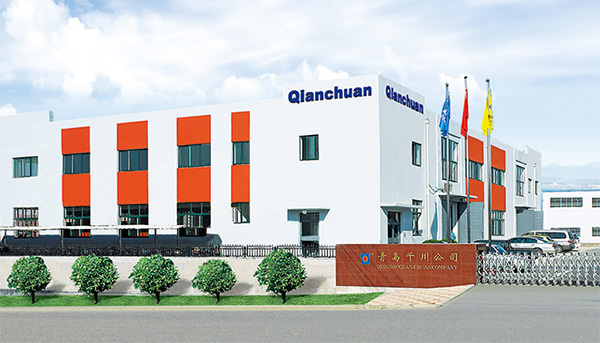
About UsQingdao Qianchuan Woodworking Machinery Co. Ltd (Qianchuan for short) was founded in 1992,which is a modern professional enterprise and gathers designing, manufacturing and selling woodworking machineries.
-
-
NewsQingdao Qianchuan Woodworking Machinery Co. Ltd (Qianchuan for short) was founded in 1992,which is a modern professional enterprise and gathers designing, manufacturing and selling woodworking machineries.


News Center
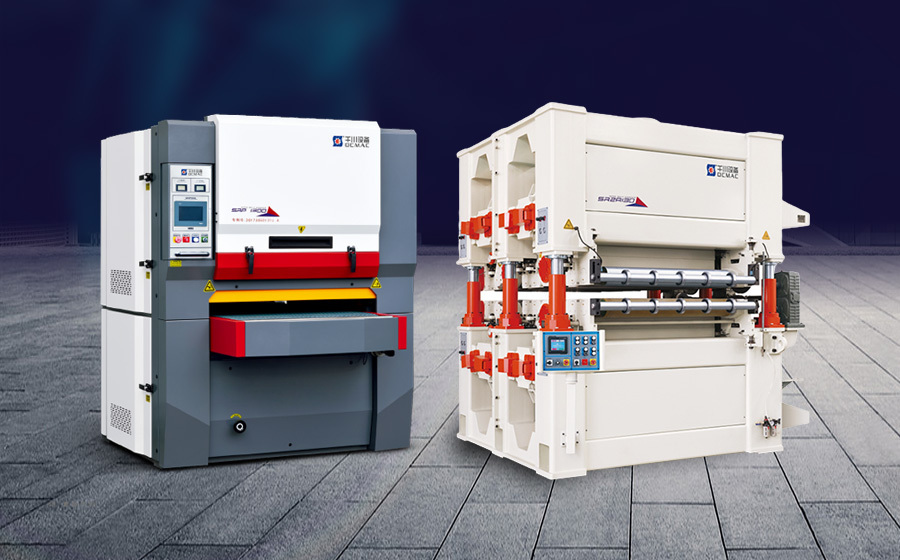
Understanding Floating Thickness Sanding Machines: Innovations in Surface Finishing
Release time:
2026-07-11 10:00
One of the primary advantages of floating thickness sanding machines is their ability to handle variations in material thickness. As the sanding head floats over the surface, it automatically adjusts to the highest point of the workpiece, minimizing the risk of over-sanding or damaging the material. This capability is crucial for industries that deal with irregular or uneven surfaces, as it enhances both the quality of the finish and the overall efficiency of the sanding process.
In addition to precision, these machines are equipped with advanced dust collection systems, which play a significant role in maintaining a clean working environment. Effective dust management not only improves air quality but also reduces the wear and tear on the machine components, extending their lifespan and reliability. For manufacturers, this means less downtime and lower maintenance costs, further improving production efficiency.
Another key aspect of floating thickness sanding machines is their versatility. They can be used for various sanding applications, from coarse to fine finishes, making them suitable for a wide range of industries. Whether you are working on furniture production, cabinetry, or industrial components, the adaptability of these machines ensures that they can meet diverse project requirements.
Furthermore, modern floating thickness sanding machines are often designed with user-friendly controls and programmable settings, allowing operators to easily customize the sanding parameters for different materials and applications. This technological advancement not only enhances usability but also ensures consistent results, regardless of the operator's skill level.
In conclusion, floating thickness sanding machines represent a significant advancement in the field of electric tools and manufacturing machinery. Their ability to provide precise, uniform finishes while handling material variations makes them an essential asset for any manufacturing operation. By incorporating these machines into your workflow, you can enhance product quality, improve efficiency, and ultimately drive business success. Whether you are a seasoned manufacturer or new to the industry, understanding the benefits and capabilities of floating thickness sanding machines is crucial for staying competitive in today’s market.
Related News
Comparing Electric Sanding Machines: Which is Best for Calcium Silicate Boards?
Comparing Electric Sanding Machines: Which is Best for Calcium Silicate Boards? When it comes to working with calcium silicate boards, choosing the right electric sanding machine can significantly impact the quality of your finish. These boards, known for their fire resistance, moisture resistance, and sound insulation, are commonly used in construction and renovation projects. They require proper
Improving Particle Board Surface Finishing with More Consistent Sanding
best particle board sanding machine factories provide efficient equipment for smooth, consistent, and high-quality panel finishing.
Floating Sanding Machine for Stable Thickness Control and Efficient Wood Panel Processing
The newest floating sanding machine china offers efficient, stable sanding for woodworking panels and surface finishing.

QingDao QianChuan Woodworking Machinery Co., Ltd.
Tel: 400-008-0088
mailbox: sales@qianchuanshebei.cn
Add: No.10, 3Rd Wanan Road, Shibei District, Qingdao, P.R.C
Copyright©2023 QingDao QianChuan Woodworking Machinery Co., Ltd. Seo