
-
About UsQingdao Qianchuan Woodworking Machinery Co. Ltd (Qianchuan for short) was founded in 1992,which is a modern professional enterprise and gathers designing, manufacturing and selling woodworking machineries.

-
-
NewsQingdao Qianchuan Woodworking Machinery Co. Ltd (Qianchuan for short) was founded in 1992,which is a modern professional enterprise and gathers designing, manufacturing and selling woodworking machineries.


News Center
Maximizing Efficiency with Floating Sanding Machines in Precision Manufacturing
Release time:
2026-08-16 11:00
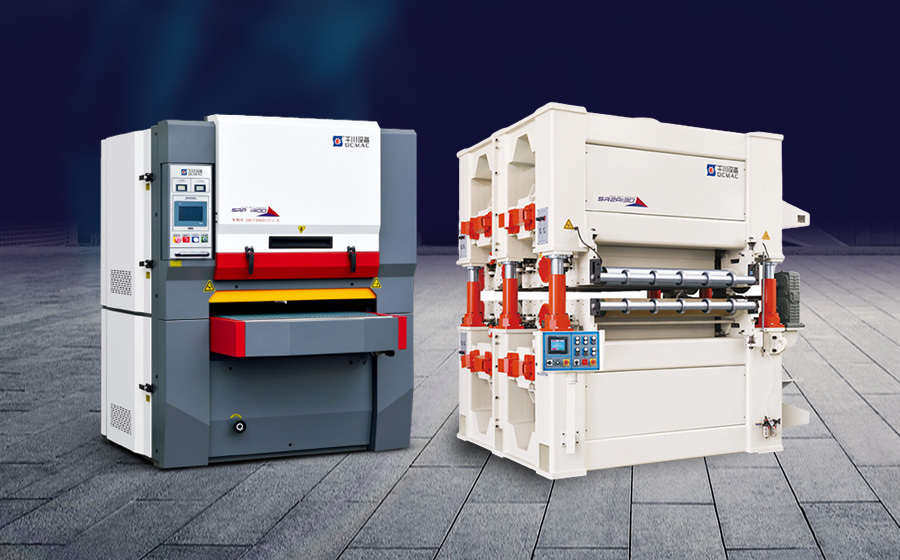
One of the critical features of floating sanding machines is their floating head design. This design allows the sanding pad to move independently of the machine body, providing a consistent finishing effect whether working on flat or irregular surfaces. The floating mechanism reduces the risk of gouging and uneven sanding, which can often occur with traditional sanding methods. This capability is especially beneficial in applications involving intricate shapes or varying material thicknesses.
Moreover, floating sanding machines typically employ various sanding pads and grit options, allowing operators to customize the sanding process according to the material and desired finish. By selecting the appropriate grit size, manufacturers can achieve everything from rough material removal to a fine polish, making these machines incredibly versatile for different projects.
Another significant advantage of floating sanding machines is their efficiency. Due to their design and operational capabilities, these machines can complete sanding tasks more quickly than manual sanding methods. This increased speed translates to higher productivity levels, enabling manufacturers to meet tight deadlines while maintaining quality standards. Additionally, the ergonomic design of many floating sanding machines helps reduce operator strain, making it easier to work for extended periods without discomfort.
In terms of maintenance, floating sanding machines are typically designed for easy upkeep. Regular cleaning and occasional replacement of sanding pads can extend the life of the machine. Many models also feature dust collection systems that help keep the workspace clean and free of harmful particles, contributing to a safer working environment.
In conclusion, floating sanding machines represent a significant advancement in the field of electric tool manufacturing. Their unique design and operational efficiency not only improve the quality of work but also enhance productivity and operator comfort. As industries continue to evolve, the integration of such innovative tools will be essential in maintaining competitive advantage. Adopting floating sanding machines can be a strategic move for manufacturers looking to refine their processes and elevate their output quality.
Related News
A Comparative Review of Popular Thickness Sanding Machines in the Market
A Comparative Review of Popular Thickness Sanding Machines in the Market Introduction to Thickness Sanding Machines Thickness sanding machines play a crucial role in woodworking, allowing craftsmen to achieve smooth finishes on wood surfaces. These machines are designed to remove material from the surface of the wood, ensuring uniformity in thickness. In this article, we will explore the top thick
Essential Guide to Sanding Equipment for Paint Sanding: Enhancing Your Finishing Process
When it comes to paint sanding, the right sanding equipment can significantly impact the quality of your finish and the efficiency of your workflow. Understanding the various types of sanding equipment for paint sanding can help professionals make informed decisions, streamline processes, and achieve superior results. Sanding equipment primarily includes hand-held tools and machines designed to sm

QingDao QianChuan Woodworking Machinery Co., Ltd.
Tel: 400-008-0088
mailbox: sales@qianchuanshebei.cn
Add: No.10, 3Rd Wanan Road, Shibei District, Qingdao, P.R.C
Copyright©2023 QingDao QianChuan Woodworking Machinery Co., Ltd. Seo