
-
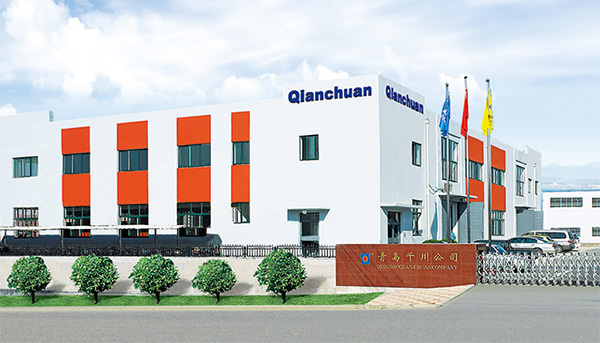
About UsQingdao Qianchuan Woodworking Machinery Co. Ltd (Qianchuan for short) was founded in 1992,which is a modern professional enterprise and gathers designing, manufacturing and selling woodworking machineries.
-
-
NewsQingdao Qianchuan Woodworking Machinery Co. Ltd (Qianchuan for short) was founded in 1992,which is a modern professional enterprise and gathers designing, manufacturing and selling woodworking machineries.


News Center
Precision Thickness Sander Accelerates High Standard Panel Manufacturing
Release time:
2026-02-27 08:54
In the evolving world of wood processing and panel manufacturing, precision and consistency have become the core standards of competitiveness. The precision thickness sander has emerged as a key solution for factories seeking accurate calibration, smooth finishing, and reliable production output. As global demand for high quality furniture, cabinetry, and engineered boards continues to grow, this advanced equipment plays a decisive role in ensuring dimensional accuracy and surface excellence.
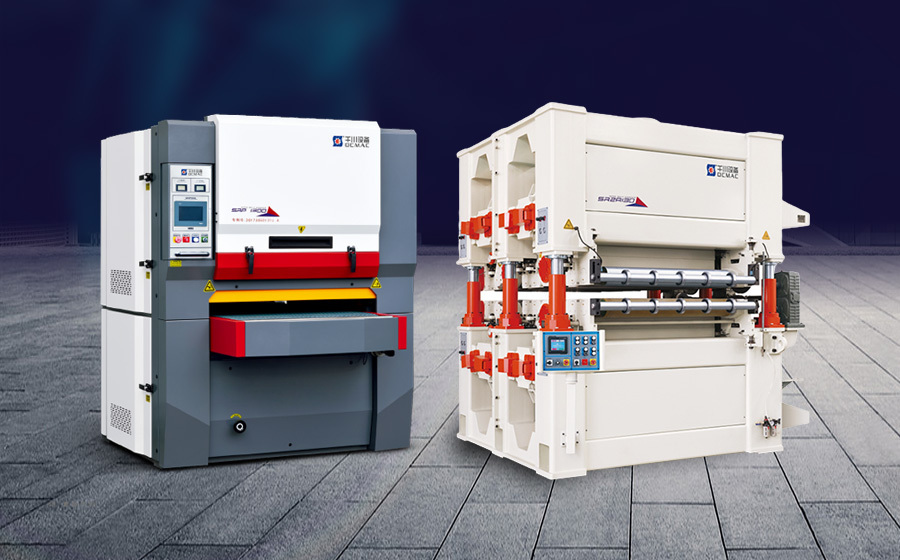
A precision thickness sander is specifically designed to calibrate the thickness of wood panels, plywood, MDF, and composite materials with exceptional accuracy. Unlike conventional sanding equipment, it integrates high precision feeding systems, stable sanding assemblies, and intelligent monitoring functions. These features allow manufacturers to achieve uniform thickness tolerance across large production batches, significantly reducing material deviation and rework rates.
One of the most important advantages of the precision thickness sander lies in its advanced calibration capability. Equipped with digital thickness control and automatic adjustment systems, the machine can detect minor variations in board surface and instantly compensate during operation. This intelligent response ensures stable sanding pressure and consistent output quality, even when processing panels with slight density differences.
In high volume production environments, efficiency directly influences profitability. The precision thickness sander is engineered for continuous operation with minimal downtime. Heavy duty frame structures and reliable transmission systems guarantee long term stability under demanding conditions. At the same time, optimized belt configuration and balanced sanding heads enhance material removal efficiency without compromising surface smoothness.
Environmental responsibility has also become a priority for modern manufacturing enterprises. Advanced precision thickness sander models incorporate efficient dust extraction systems that capture fine particles during sanding. This not only protects operator health but also maintains clean workshop conditions and reduces environmental impact. Energy saving motors further contribute to lower power consumption and sustainable production practices.
Flexibility is another defining feature of the precision thickness sander. Different sanding units, abrasive belts, and feeding speeds can be configured to meet diverse product requirements. Whether producing laminated flooring panels, decorative boards, or solid wood components, manufacturers can adjust machine parameters to achieve the desired thickness tolerance and surface texture. This adaptability enhances production versatility and expands market opportunities.
Technological innovation continues to shape the future of sanding equipment. Many precision thickness sander systems now support data integration with smart factory platforms. Real time monitoring of thickness data, operating temperature, and sanding pressure enables predictive maintenance and performance optimization. By analyzing production data, factories can further improve process control and reduce unexpected equipment failure.
Cost control remains a crucial consideration in industrial operations. Although the precision thickness sander represents an advanced investment, its long term benefits outweigh initial expenditure. Reduced labor dependency, minimized material waste, and improved product consistency collectively enhance overall operational efficiency. Manufacturers can achieve higher yield rates while maintaining strict quality standards required by international markets.
Durability is equally essential for large scale manufacturing. Premium grade components, reinforced structural frames, and wear resistant sanding belts ensure reliable long term performance. Proper maintenance and periodic inspection further extend equipment lifespan, making the precision thickness sander a sustainable asset for panel production enterprises.
As industry standards continue to rise, precision has shifted from being an added advantage to a fundamental requirement. Customers expect flawless surface finishing and accurate board dimensions in every product. The precision thickness sander empowers manufacturers to meet these expectations through stable performance, intelligent control, and efficient production capability.
Looking forward, integration of automation, digital management, and environmentally friendly design will continue to redefine sanding technology. The precision thickness sander stands at the forefront of this transformation, supporting manufacturers in achieving higher productivity, improved quality consistency, and sustainable industrial growth in an increasingly competitive global market.
Related News
Comparing Electric Sanding Machines: Which is Best for Calcium Silicate Boards?
Comparing Electric Sanding Machines: Which is Best for Calcium Silicate Boards? When it comes to working with calcium silicate boards, choosing the right electric sanding machine can significantly impact the quality of your finish. These boards, known for their fire resistance, moisture resistance, and sound insulation, are commonly used in construction and renovation projects. They require proper
Improving Particle Board Surface Finishing with More Consistent Sanding
best particle board sanding machine factories provide efficient equipment for smooth, consistent, and high-quality panel finishing.
Floating Sanding Machine for Stable Thickness Control and Efficient Wood Panel Processing
The newest floating sanding machine china offers efficient, stable sanding for woodworking panels and surface finishing.

QingDao QianChuan Woodworking Machinery Co., Ltd.
Tel: 400-008-0088
mailbox: sales@qianchuanshebei.cn
Add: No.10, 3Rd Wanan Road, Shibei District, Qingdao, P.R.C
Copyright©2023 QingDao QianChuan Woodworking Machinery Co., Ltd. Seo