
-
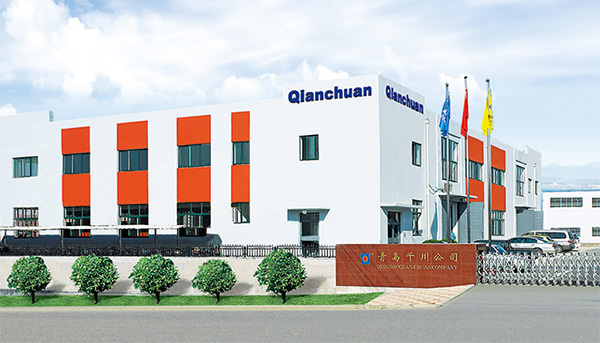
About UsQingdao Qianchuan Woodworking Machinery Co. Ltd (Qianchuan for short) was founded in 1992,which is a modern professional enterprise and gathers designing, manufacturing and selling woodworking machineries.
-
-
NewsQingdao Qianchuan Woodworking Machinery Co. Ltd (Qianchuan for short) was founded in 1992,which is a modern professional enterprise and gathers designing, manufacturing and selling woodworking machineries.


News Center
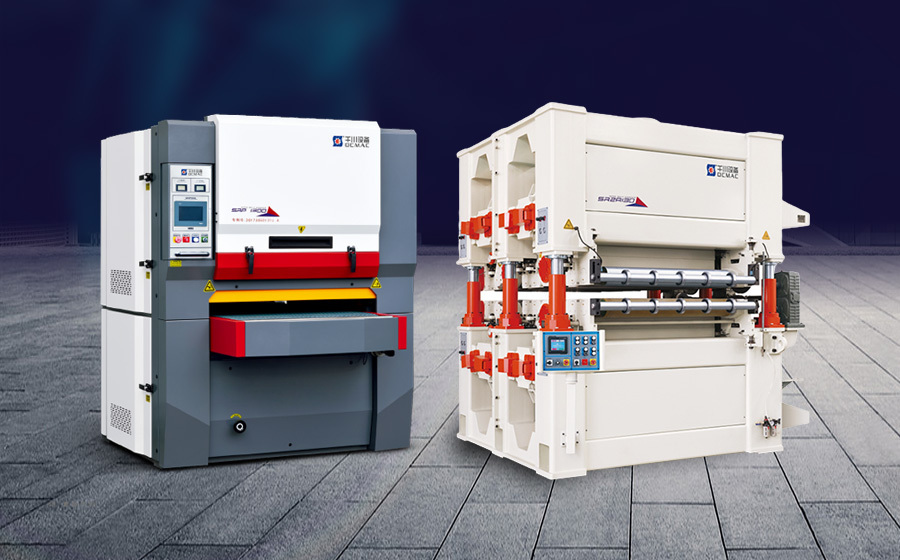
Floating Veneer Sanding Machine Accelerates Transformation in Wood Processing Industry
Release time:
2026-03-27 09:17
The global wood processing industry is undergoing a significant transformation, driven by the increasing demand for high-quality surface finishing and efficient production technologies. Among the key innovations leading this change is the floating veneer sanding machine, a specialized solution designed to meet the precision requirements of modern veneer processing. As manufacturers strive to improve product quality while reducing costs, this advanced equipment is gaining widespread attention across international markets.
A floating veneer sanding machine is engineered to deliver consistent sanding results by automatically adjusting pressure based on the thickness and texture of the veneer. This floating mechanism ensures that even delicate or uneven surfaces can be processed without damage. Compared to traditional sanding equipment, this technology significantly improves surface uniformity, reduces material waste, and enhances overall production efficiency.
The rising demand for decorative wood panels and high-end furniture is one of the primary factors driving the adoption of floating veneer sanding machines. Consumers today expect flawless finishes and refined textures, especially in premium interior design applications. Veneers used in cabinetry, flooring, and wall panels must meet strict quality standards, making precision sanding an essential step in the manufacturing process.
In addition to furniture production, the use of veneer materials in architectural design has expanded rapidly. Modern construction projects increasingly incorporate engineered wood products for both aesthetic and functional purposes. Floating veneer sanding machines play a critical role in ensuring that these materials achieve the desired smoothness and thickness consistency required for large-scale applications.
Technological advancements have further enhanced the capabilities of these machines. Many modern floating veneer sanding machines are equipped with intelligent control systems, variable speed settings, and multi-head sanding configurations. These features allow operators to customize the sanding process according to different material types and production requirements. As a result, manufacturers can achieve higher precision and flexibility in their operations.
Environmental and workplace considerations are also influencing the development of sanding equipment. Dust control systems, energy-efficient motors, and noise reduction technologies are now standard features in many machines. These improvements not only create safer working conditions but also align with global sustainability initiatives aimed at reducing industrial impact on the environment.
China has emerged as a leading producer of floating veneer sanding machines, supported by strong manufacturing capabilities and continuous investment in research and development. Chinese manufacturers are increasingly focusing on innovation, automation, and customization to meet the evolving needs of both domestic and international customers. Competitive pricing combined with improving quality standards has strengthened their position in the global market.
However, the industry is not without challenges. Fluctuations in raw material costs, particularly for steel and electronic components, can impact production expenses. Additionally, growing competition requires companies to differentiate themselves through technology, service, and product reliability. Continuous innovation and customer-oriented solutions are becoming essential for long-term success.
Looking ahead, the future of floating veneer sanding machines appears promising. With ongoing advancements in automation and smart manufacturing, these machines are expected to become even more efficient and precise. The increasing demand for high-quality wood products, combined with stricter environmental regulations, will continue to drive innovation in sanding technology.
As the wood processing industry evolves, floating veneer sanding machines will remain a key component in achieving superior surface quality and production efficiency. Their ability to adapt to different materials and production conditions ensures that they will play a vital role in shaping the future of modern manufacturing.
Related News
Comparing Electric Sanding Machines: Which is Best for Calcium Silicate Boards?
Comparing Electric Sanding Machines: Which is Best for Calcium Silicate Boards? When it comes to working with calcium silicate boards, choosing the right electric sanding machine can significantly impact the quality of your finish. These boards, known for their fire resistance, moisture resistance, and sound insulation, are commonly used in construction and renovation projects. They require proper
Improving Particle Board Surface Finishing with More Consistent Sanding
best particle board sanding machine factories provide efficient equipment for smooth, consistent, and high-quality panel finishing.
Floating Sanding Machine for Stable Thickness Control and Efficient Wood Panel Processing
The newest floating sanding machine china offers efficient, stable sanding for woodworking panels and surface finishing.

QingDao QianChuan Woodworking Machinery Co., Ltd.
Tel: 400-008-0088
mailbox: sales@qianchuanshebei.cn
Add: No.10, 3Rd Wanan Road, Shibei District, Qingdao, P.R.C
Copyright©2023 QingDao QianChuan Woodworking Machinery Co., Ltd. Seo