
-
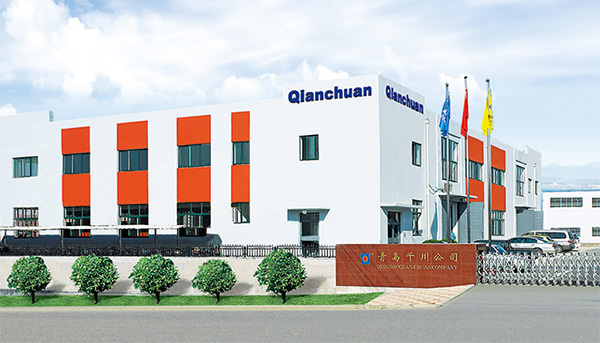
About UsQingdao Qianchuan Woodworking Machinery Co. Ltd (Qianchuan for short) was founded in 1992,which is a modern professional enterprise and gathers designing, manufacturing and selling woodworking machineries.
-
-
NewsQingdao Qianchuan Woodworking Machinery Co. Ltd (Qianchuan for short) was founded in 1992,which is a modern professional enterprise and gathers designing, manufacturing and selling woodworking machineries.


News Center
Revolutionizing Woodworking with Floating Thickness Sanding Machines
Release time:
2026-01-27 10:06
The woodworking and manufacturing industries are constantly evolving, seeking equipment that delivers precision, efficiency, and consistent quality. Among the most impactful innovations in recent years is the floating thickness sanding machine, a device that has transformed the way manufacturers handle wood, composite, and metal panels.
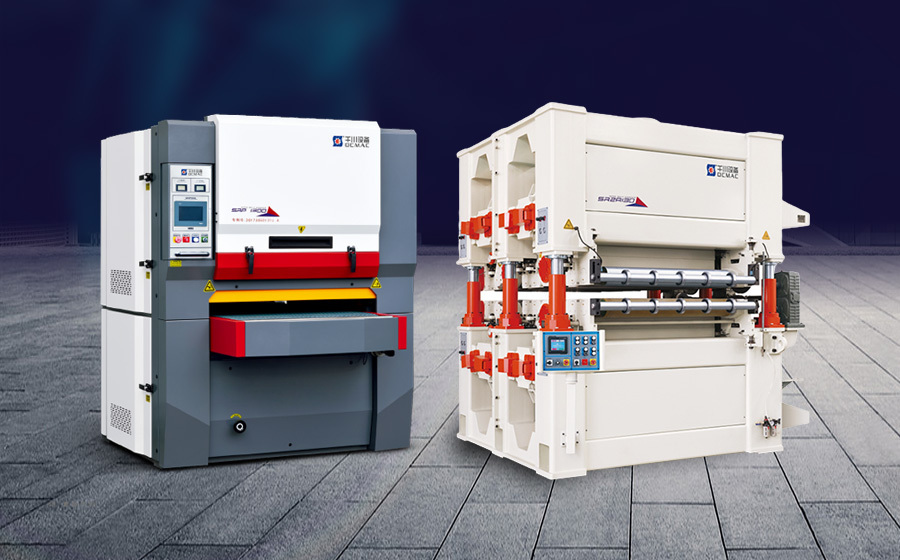
A floating thickness sanding machine is specifically designed to provide uniform sanding and precise thickness adjustment across a wide range of materials. Unlike traditional sanding machines, its floating mechanism adapts to variations in surface height, ensuring that every panel receives consistent sanding without leaving uneven spots or compromising material integrity. This feature is especially valuable in industries like furniture manufacturing, cabinetry, and industrial panel production, where even minor discrepancies in thickness can affect assembly, finish quality, and overall product durability.
One of the main advantages of floating thickness sanding machines is their ability to improve productivity. With traditional manual sanding methods or fixed sanding machines, operators often need to make repeated passes to achieve the desired surface smoothness and thickness. This process is time-consuming and prone to errors. The floating sanding system, however, automatically adjusts to the material’s contours, reducing the need for repeated handling and ensuring uniform results in a single pass. Manufacturers report significant time savings and enhanced efficiency, which translates into lower production costs and higher throughput.
Another key benefit is the enhanced finish quality. The precision offered by floating thickness sanding machines ensures that surfaces are smooth, consistent, and ready for subsequent finishing processes such as painting, laminating, or veneering. This reduces material wastage, improves product aesthetics, and allows manufacturers to meet strict quality standards required in premium furniture and interior design markets. Advanced models also come equipped with digital control systems that monitor sanding pressure, feed speed, and panel thickness in real time, offering even greater precision and repeatability.
Sustainability is another important consideration. Floating thickness sanding machines help reduce waste by minimizing sanding errors and ensuring optimal material usage. This aligns with modern industry trends where eco-friendly production processes and responsible material management are increasingly prioritized. Companies investing in these machines not only improve their production quality but also demonstrate a commitment to sustainable manufacturing practices.
Suppliers of floating thickness sanding machines continue to innovate, offering models suitable for various operational scales. Compact machines cater to small workshops and boutique furniture makers, while high-capacity machines handle large-scale industrial operations. Many suppliers now offer customizable solutions, allowing manufacturers to adjust sanding width, conveyor speed, and floating pressure to match specific material types and production requirements. This flexibility makes floating thickness sanding machines a versatile tool in modern manufacturing environments.
Industry experts emphasize that investing in advanced sanding equipment, such as floating thickness sanding machines, is a strategic decision. Beyond improving efficiency and product quality, these machines provide long-term value through durability, low maintenance requirements, and the ability to handle diverse material types. They also reduce labor dependency, allowing skilled operators to focus on high-value tasks rather than repetitive manual sanding work.
In conclusion, the floating thickness sanding machine represents a significant advancement in manufacturing technology. Its unique floating mechanism, precision control, and efficiency improvements make it an indispensable tool for industries ranging from furniture production to industrial panel manufacturing. With the continued evolution of suppliers and technological innovations, these machines are poised to remain a cornerstone of high-quality, efficient, and sustainable production processes. Manufacturers who adopt floating thickness sanding machines benefit not only from superior product quality and operational efficiency but also from enhanced competitiveness in a demanding global market.
Related News
Comparing Electric Sanding Machines: Which is Best for Calcium Silicate Boards?
Comparing Electric Sanding Machines: Which is Best for Calcium Silicate Boards? When it comes to working with calcium silicate boards, choosing the right electric sanding machine can significantly impact the quality of your finish. These boards, known for their fire resistance, moisture resistance, and sound insulation, are commonly used in construction and renovation projects. They require proper
Improving Particle Board Surface Finishing with More Consistent Sanding
best particle board sanding machine factories provide efficient equipment for smooth, consistent, and high-quality panel finishing.
Floating Sanding Machine for Stable Thickness Control and Efficient Wood Panel Processing
The newest floating sanding machine china offers efficient, stable sanding for woodworking panels and surface finishing.

QingDao QianChuan Woodworking Machinery Co., Ltd.
Tel: 400-008-0088
mailbox: sales@qianchuanshebei.cn
Add: No.10, 3Rd Wanan Road, Shibei District, Qingdao, P.R.C
Copyright©2023 QingDao QianChuan Woodworking Machinery Co., Ltd. Seo