
-
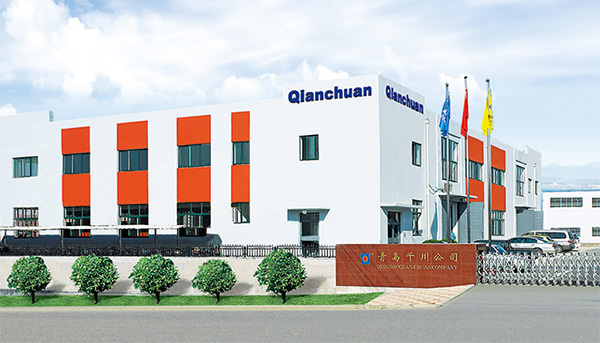
About UsQingdao Qianchuan Woodworking Machinery Co. Ltd (Qianchuan for short) was founded in 1992,which is a modern professional enterprise and gathers designing, manufacturing and selling woodworking machineries.
-
-
NewsQingdao Qianchuan Woodworking Machinery Co. Ltd (Qianchuan for short) was founded in 1992,which is a modern professional enterprise and gathers designing, manufacturing and selling woodworking machineries.


News Center
Essential Guide to Sanding Equipment for Paint Sanding: Maximizing Efficiency and Quality
Release time:
2026-03-23 13:50
When it comes to paint sanding, using the right sanding equipment is crucial for achieving a smooth and flawless surface. Paint sanding is a critical step in many manufacturing processes, as it prepares surfaces for subsequent coatings, ensuring optimal adhesion and finish quality. This guide will explore the various types of sanding equipment tailored for paint sanding and highlight the essential factors to consider when selecting the right tools for your projects.
**Types of Sanding Equipment for Paint Sanding**
1. **Electric Sanders**: Electric sanders are a popular choice among professionals for their efficiency and ease of use. They come in various forms, such as orbital, belt, and detail sanders. Orbital sanders are ideal for finishing large flat surfaces, while detail sanders excel in tight corners and intricate areas. Belt sanders, on the other hand, are perfect for removing heavy paint layers quickly.
2. **Sanding Discs and Belts**: The effectiveness of your sanding equipment largely depends on the sanding discs or belts used. For paint sanding, it is essential to select the right grit level. Coarser grits (e.g., 80-120) are excellent for initial paint removal, while finer grits (e.g., 220-400) are suitable for smoothing surfaces before applying the final coat. Ensure that the sanding media is compatible with your specific equipment for optimal performance.
3. **Handheld Sanders**: For smaller jobs or detailed work, handheld sanders provide versatility and precision. They allow for greater control and are particularly useful for intricate designs or when working in confined spaces.
4. **Dust Extraction Systems**: Paint sanding can generate a significant amount of dust, which can be harmful to both the operator and the environment. Many modern sanding equipment options come equipped with integrated dust collection systems to minimize airborne particles, enhancing safety and improving visibility.
**Best Practices for Paint Sanding**
To maximize the efficiency of your sanding equipment, consider the following best practices:
- **Surface Preparation**: Before sanding, ensure that the surface is clean and free from grease or contaminants. This helps achieve a better sanding result and prolongs the life of the sanding materials.
- **Technique and Pressure**: Apply even pressure while sanding to avoid uneven surfaces. Moving the sander in overlapping passes can help achieve a smoother finish.
- **Regular Maintenance**: Keep your sanding equipment in good condition by regularly checking for wear and tear. Replace sanding discs or belts as needed to maintain optimal performance.
In conclusion, choosing the right sanding equipment for paint sanding is vital for ensuring high-quality finishes in your manufacturing processes. By understanding the types of equipment available and implementing best practices, professionals can enhance their efficiency and achieve the desired results in their projects.
Related News
Comparing Electric Sanding Machines: Which is Best for Calcium Silicate Boards?
Comparing Electric Sanding Machines: Which is Best for Calcium Silicate Boards? When it comes to working with calcium silicate boards, choosing the right electric sanding machine can significantly impact the quality of your finish. These boards, known for their fire resistance, moisture resistance, and sound insulation, are commonly used in construction and renovation projects. They require proper
Improving Particle Board Surface Finishing with More Consistent Sanding
best particle board sanding machine factories provide efficient equipment for smooth, consistent, and high-quality panel finishing.
Floating Sanding Machine for Stable Thickness Control and Efficient Wood Panel Processing
The newest floating sanding machine china offers efficient, stable sanding for woodworking panels and surface finishing.

QingDao QianChuan Woodworking Machinery Co., Ltd.
Tel: 400-008-0088
mailbox: sales@qianchuanshebei.cn
Add: No.10, 3Rd Wanan Road, Shibei District, Qingdao, P.R.C
Copyright©2023 QingDao QianChuan Woodworking Machinery Co., Ltd. Seo