
-
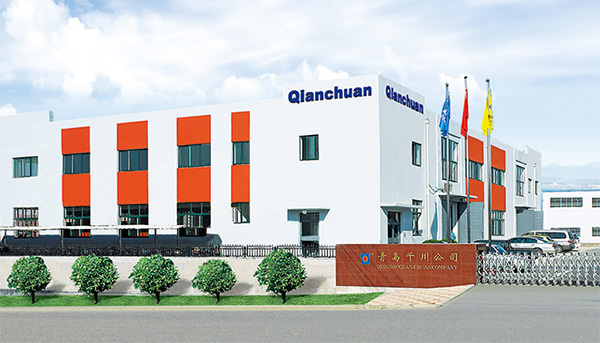
About UsQingdao Qianchuan Woodworking Machinery Co. Ltd (Qianchuan for short) was founded in 1992,which is a modern professional enterprise and gathers designing, manufacturing and selling woodworking machineries.
-
-
NewsQingdao Qianchuan Woodworking Machinery Co. Ltd (Qianchuan for short) was founded in 1992,which is a modern professional enterprise and gathers designing, manufacturing and selling woodworking machineries.


News Center
The Essential Guide to Floating Thickness Sanding Machines: Understanding Their Role in Manufacturing
Release time:
2026-02-02 18:40
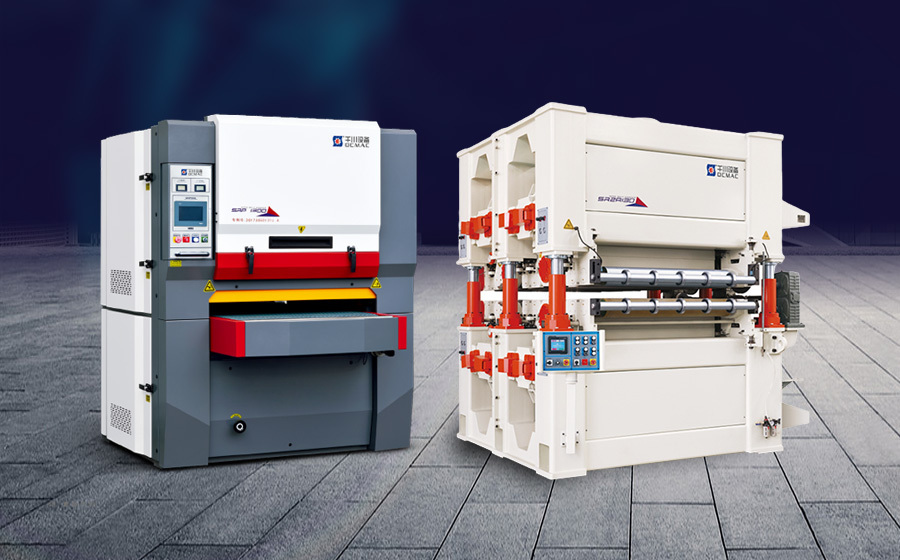
One of the primary advantages of using a floating thickness sanding machine is its ability to achieve uniform results across different materials. Whether working with hardwood, softwood, or composite materials, these machines can effectively remove imperfections such as scratches, dents, and surface irregularities. This capability is particularly beneficial when preparing surfaces for finishing processes, as a well-sanded surface can significantly enhance the adhesion of stains, paints, and varnishes.
In addition to achieving superior finishes, floating thickness sanding machines also contribute to improved efficiency in production. Traditional sanding methods may require multiple passes with different grits or even manual sanding, which can be time-consuming and labor-intensive. With a floating thickness sanding machine, operators can accomplish the task more quickly and with less effort, ultimately leading to increased productivity. This efficiency is especially important in high-volume manufacturing environments where time and precision are critical.
Moreover, these machines often come equipped with advanced features such as dust collection systems, which help maintain a clean working environment and improve air quality. By minimizing dust and debris, users can not only protect their health but also prolong the lifespan of their equipment. Additionally, many modern designs include adjustable settings that allow operators to customize the sanding process according to the specific needs of the project, further enhancing versatility.
When considering the integration of a floating thickness sanding machine into a manufacturing setup, it is essential to evaluate factors such as the types of materials being processed, the level of production required, and the desired finish quality. While this equipment can represent a significant investment, the long-term benefits in terms of quality, efficiency, and worker safety often outweigh the initial costs.
In conclusion, floating thickness sanding machines play a vital role in the manufacturing and woodworking industries, offering precise sanding capabilities and improved productivity. By understanding the workings and advantages of these machines, businesses can make informed decisions that enhance their operations and product quality, ensuring they stay competitive in a demanding market.
Related News
Comparing Electric Sanding Machines: Which is Best for Calcium Silicate Boards?
Comparing Electric Sanding Machines: Which is Best for Calcium Silicate Boards? When it comes to working with calcium silicate boards, choosing the right electric sanding machine can significantly impact the quality of your finish. These boards, known for their fire resistance, moisture resistance, and sound insulation, are commonly used in construction and renovation projects. They require proper
Improving Particle Board Surface Finishing with More Consistent Sanding
best particle board sanding machine factories provide efficient equipment for smooth, consistent, and high-quality panel finishing.
Floating Sanding Machine for Stable Thickness Control and Efficient Wood Panel Processing
The newest floating sanding machine china offers efficient, stable sanding for woodworking panels and surface finishing.

QingDao QianChuan Woodworking Machinery Co., Ltd.
Tel: 400-008-0088
mailbox: sales@qianchuanshebei.cn
Add: No.10, 3Rd Wanan Road, Shibei District, Qingdao, P.R.C
Copyright©2023 QingDao QianChuan Woodworking Machinery Co., Ltd. Seo