
-
About UsQingdao Qianchuan Woodworking Machinery Co. Ltd (Qianchuan for short) was founded in 1992,which is a modern professional enterprise and gathers designing, manufacturing and selling woodworking machineries.

-
-
NewsQingdao Qianchuan Woodworking Machinery Co. Ltd (Qianchuan for short) was founded in 1992,which is a modern professional enterprise and gathers designing, manufacturing and selling woodworking machineries.


News Center
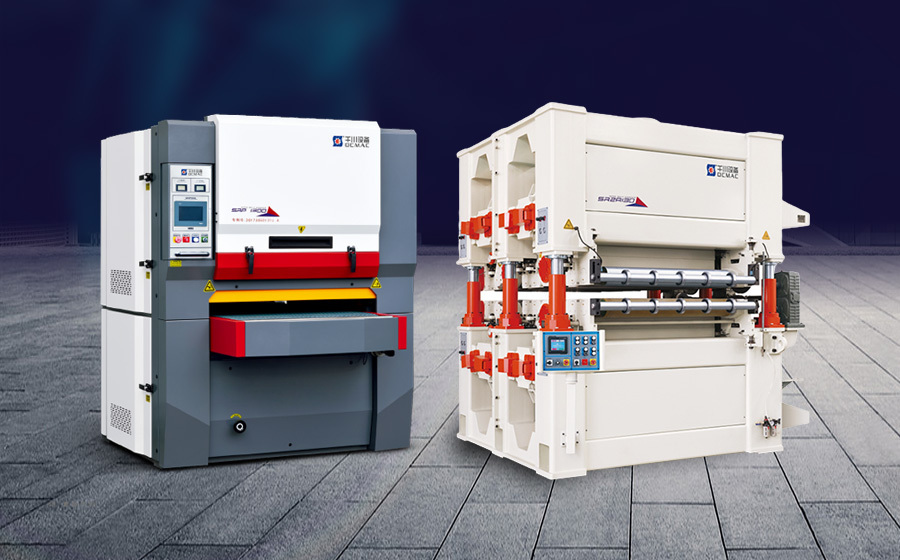
Understanding Floating Sanding Machines: An Essential Tool for Precision Finishing
Release time:
2026-02-04 19:30
One of the key features of floating sanding machines is their ability to adapt to the contours of the workpiece. This flexibility is achieved through a floating head design, which enables the sanding pad to maintain consistent contact with the surface, regardless of its shape. As a result, users can achieve a more uniform finish, reducing the risk of imperfections such as scratches or uneven surfaces. This makes floating sanding machines particularly valuable in industries where precision is paramount.
Another significant advantage of floating sanding machines is their efficiency. These machines are designed to operate at optimal speeds, allowing users to complete sanding tasks more quickly without compromising on quality. By eliminating the need for manual sanding or multiple passes with traditional tools, floating sanding machines can significantly reduce production time and labor costs. This efficiency is particularly beneficial in high-volume production environments, where time savings translate to increased profitability.
In addition to their performance benefits, floating sanding machines are also user-friendly. Many models feature ergonomic designs and lightweight constructions, making them easy to handle and maneuver. This is especially important for operators who may be working for extended periods, as it helps to minimize fatigue and enhance comfort. Furthermore, modern floating sanding machines often come equipped with dust collection systems that help keep the work area clean and improve air quality.
Floating sanding machines are versatile tools that can be utilized in various applications, including furniture manufacturing, automotive refinishing, and construction. In woodworking, they are commonly used to prepare surfaces for finishing, ensuring that paint or varnish adheres properly and provides a durable finish. In metalworking, these machines can help achieve a polished surface that meets aesthetic and functional requirements.
In conclusion, floating sanding machines are essential tools in the manufacturing and processing sectors, offering a unique combination of flexibility, efficiency, and ease of use. Their ability to deliver high-quality finishes while adapting to various surfaces makes them a valuable addition to any workshop. Understanding the capabilities and applications of floating sanding machines can help professionals make informed decisions, ultimately leading to improved productivity and quality in their work.
Related News
Comparing Electric Sanding Machines: Which is Best for Calcium Silicate Boards?
Comparing Electric Sanding Machines: Which is Best for Calcium Silicate Boards? When it comes to working with calcium silicate boards, choosing the right electric sanding machine can significantly impact the quality of your finish. These boards, known for their fire resistance, moisture resistance, and sound insulation, are commonly used in construction and renovation projects. They require proper
Improving Particle Board Surface Finishing with More Consistent Sanding
best particle board sanding machine factories provide efficient equipment for smooth, consistent, and high-quality panel finishing.
Floating Sanding Machine for Stable Thickness Control and Efficient Wood Panel Processing
The newest floating sanding machine china offers efficient, stable sanding for woodworking panels and surface finishing.

QingDao QianChuan Woodworking Machinery Co., Ltd.
Tel: 400-008-0088
mailbox: sales@qianchuanshebei.cn
Add: No.10, 3Rd Wanan Road, Shibei District, Qingdao, P.R.C
Copyright©2023 QingDao QianChuan Woodworking Machinery Co., Ltd. Seo