
-
About UsQingdao Qianchuan Woodworking Machinery Co. Ltd (Qianchuan for short) was founded in 1992,which is a modern professional enterprise and gathers designing, manufacturing and selling woodworking machineries.

-
-
NewsQingdao Qianchuan Woodworking Machinery Co. Ltd (Qianchuan for short) was founded in 1992,which is a modern professional enterprise and gathers designing, manufacturing and selling woodworking machineries.


News Center
The Essential Guide to Particle Board Sanding Machines: Optimizing Your Manufacturing Process
Release time:
2026-02-08 16:10
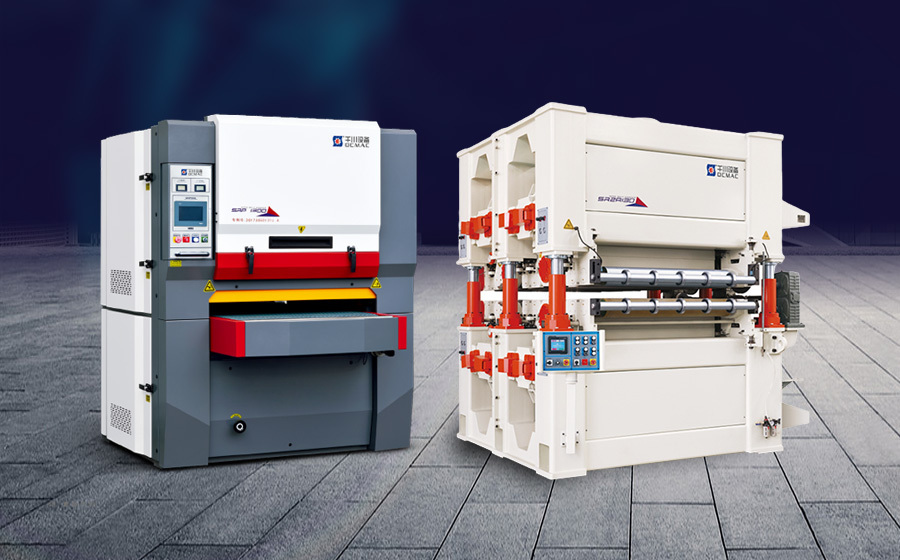
One of the key components of particle board sanding machines is the sanding mechanism itself. These machines often employ a combination of rotating drum sanders and wide belt sanders. The drum sanders are typically used for preliminary sanding, where rough surfaces are smoothed out. In contrast, wide belt sanders offer a more uniform finish and are ideal for final sanding stages. The choice of sanding mechanism can significantly affect the quality of the finished product, making it essential to select the right machine based on specific production needs.
Additionally, the grit of the sanding paper plays a critical role in achieving the desired surface finish. Coarse grits are used for initial sanding, while finer grits are reserved for finishing touches. It's essential to regularly monitor and replace sanding belts to maintain optimal performance and prevent damage to the particle board. The efficiency of the sanding operation can be greatly enhanced by using dust extraction systems, which not only improve visibility during operation but also safeguard the machinery and operators from dust-related hazards.
Another crucial aspect to consider is the speed and pressure settings of the machine. Adjusting these parameters can help in achieving a consistent finish across various particle board thicknesses. Additionally, investing in machines with adjustable settings can provide greater flexibility to manufacturers, enabling them to cater to diverse client specifications and project requirements.
Moreover, regular maintenance of particle board sanding machines is essential for consistent performance. This includes routine checks on the alignment of the sanding drums, lubrication of moving parts, and inspection of electrical components. Such practices can extend the lifespan of the machinery and minimize unexpected downtimes, which can be costly in a manufacturing environment.
In summary, a thorough understanding of particle board sanding machines—ranging from their sanding mechanisms to maintenance practices—can empower manufacturers to enhance their production efficiency. By optimizing these processes, businesses can deliver high-quality products that meet market demands, ultimately leading to increased customer satisfaction and business growth. As the industry evolves, staying informed about the latest advancements in sanding technology will be critical for maintaining a competitive edge.
Related News
Comparing Electric Sanding Machines: Which is Best for Calcium Silicate Boards?
Comparing Electric Sanding Machines: Which is Best for Calcium Silicate Boards? When it comes to working with calcium silicate boards, choosing the right electric sanding machine can significantly impact the quality of your finish. These boards, known for their fire resistance, moisture resistance, and sound insulation, are commonly used in construction and renovation projects. They require proper
Improving Particle Board Surface Finishing with More Consistent Sanding
best particle board sanding machine factories provide efficient equipment for smooth, consistent, and high-quality panel finishing.
Floating Sanding Machine for Stable Thickness Control and Efficient Wood Panel Processing
The newest floating sanding machine china offers efficient, stable sanding for woodworking panels and surface finishing.

QingDao QianChuan Woodworking Machinery Co., Ltd.
Tel: 400-008-0088
mailbox: sales@qianchuanshebei.cn
Add: No.10, 3Rd Wanan Road, Shibei District, Qingdao, P.R.C
Copyright©2023 QingDao QianChuan Woodworking Machinery Co., Ltd. Seo