
-
About UsQingdao Qianchuan Woodworking Machinery Co. Ltd (Qianchuan for short) was founded in 1992,which is a modern professional enterprise and gathers designing, manufacturing and selling woodworking machineries.

-
-
NewsQingdao Qianchuan Woodworking Machinery Co. Ltd (Qianchuan for short) was founded in 1992,which is a modern professional enterprise and gathers designing, manufacturing and selling woodworking machineries.


News Center
The Ultimate Guide to Choosing a Thickness Sanding Machine for Your Workshop
Release time:
2026-02-11 14:30
The Ultimate Guide to Choosing a Thickness Sanding Machine for Your Workshop
When it comes to woodworking, having the right tools can make all the difference in achieving professional results. Among these tools, a thickness sanding machine stands out as an essential piece of equipment for any serious woodworker. This guide will provide you with the insights necessary to choose the best thickness sanding machine for your workshop, ensuring you enhance your projects and optimize your workflow.
What is a Thickness Sanding Machine?
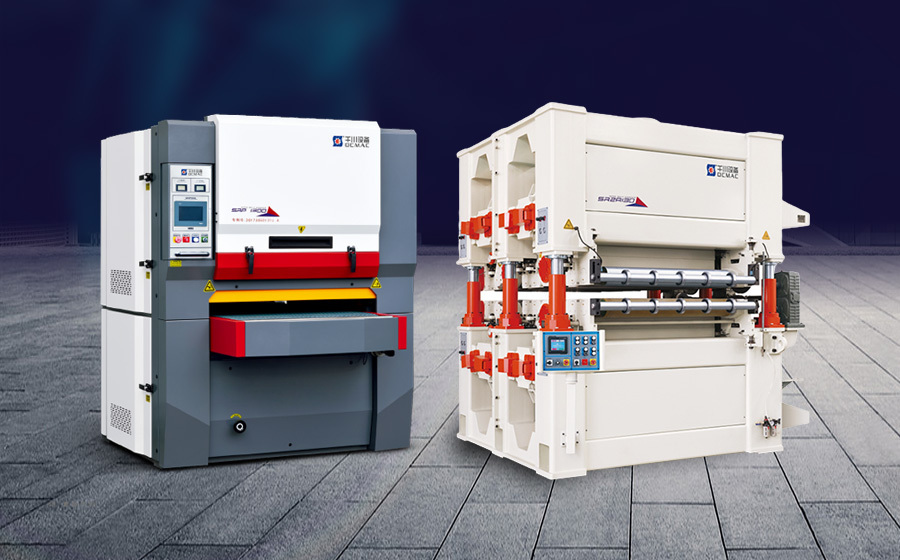
A thickness sanding machine, also known as a thickness sander, is a specialized tool designed to smooth and flatten wood surfaces to a consistent thickness. These machines are invaluable for removing imperfections, preparing wood for finishing, and achieving the desired thickness for joinery. Understanding the functionality and benefits of thickness sanders is crucial for making an informed purchase.
The Importance of Thickness Sanding in Woodworking
Thickness sanding plays a pivotal role in woodworking by:
- **Ensuring Consistent Thickness**: Achieving uniform thickness is vital for the structural integrity of joints and overall aesthetics.
- **Improving Surface Quality**: A thickness sanding machine can significantly enhance the surface quality of wood, making it ready for finishing.
- **Time Efficiency**: These machines are designed to handle large volumes of wood quickly, saving time compared to manual sanding methods.
Key Features to Consider When Choosing a Thickness Sanding Machine
Selecting the right thickness sanding machine involves understanding various features that affect performance, versatility, and ease of use. Here are the key features to look for:
1. Motor Power and Performance
The motor power of a thickness sanding machine greatly influences its performance. Machines typically range from 1 to 5 horsepower. A higher horsepower motor can handle denser woods and more extensive sanding tasks without bogging down.
2. Sanding Width and Capacity
Consider the maximum sanding width your projects require. Most machines offer sanding widths ranging from 12 to 36 inches. If you frequently work with larger panels, choose a machine with a wider capacity.
3. Feed Rate
The feed rate determines how quickly wood passes through the machine. A higher feed rate increases efficiency but can impact the quality of the finish. Look for machines that offer adjustable feed rates to balance speed and finish quality.
4. Construction Quality
Durability is essential in a thickness sanding machine. Look for models made from robust materials like cast iron or heavy-duty aluminum. These materials reduce vibration and increase stability during operation.
5. Dust Collection System
Dust collection is a crucial feature, as sanding generates significant dust. A built-in dust collection system improves air quality in your workshop and ensures a cleaner working environment.
6. Portability and Size
Depending on your workshop space, you might need a portable model or a stationary one. Consider the weight and dimensions of the machine to ensure it fits well in your workspace and can be moved if necessary.
7. Price and Warranty
Thickness sanding machines can vary significantly in price. Set a budget and consider the warranty options provided. A longer warranty often indicates a manufacturer’s confidence in their product quality.
Types of Thickness Sanding Machines
Understanding the different types of thickness sanding machines can help you select the right one for your needs.
1. Open-End Thickness Sanders
These machines feature open ends allowing longer pieces to pass through. They are ideal for sanding larger boards or panels but may require more space.
2. Closed-End Thickness Sanders
Closed-end models are designed for smaller workpieces and offer more control over the sanding process. They are generally more compact and suitable for hobbyists.
3. Drum Sanders
Drum sanders use a rotating drum covered in sandpaper to smooth surfaces. They are versatile and can handle various wood types but may require more maintenance.
4. Wide Belt Sanders
These are heavy-duty machines designed for industrial use, capable of sanding large quantities of wood quickly. They are often more expensive and may be overkill for a typical workshop.
How to Choose the Right Thickness Sanding Machine for Your Workshop
Choosing the right thickness sanding machine requires careful consideration of your specific needs. Here’s a step-by-step guide:
1. Assess Your Woodworking Projects
Evaluate the types of projects you undertake. Are you primarily working with large panels, or do you focus on smaller pieces? The answer will influence your choice of machine.
2. Determine Your Budget
Establish a budget that considers both the machine price and potential maintenance costs. High-quality machines may have a higher upfront cost but can save you money in the long run.
3. Research Brands and Models
Once you’ve defined your requirements, start researching reputable brands and models. Look for user reviews and testimonials to gauge reliability and performance.
4. Visit Showrooms or Expos
If possible, visit showrooms or woodworking expos to see machines in action. This hands-on experience can provide valuable insights into performance and usability.
5. Consult with Other Woodworkers
Networking with fellow woodworkers can yield useful advice and recommendations based on their personal experiences with different machines.
Maintenance Tips for Thickness Sanding Machines
Proper maintenance ensures your thickness sanding machine remains in optimal condition. Here are some essential maintenance tips:
1. Regularly Clean the Machine
Dust and debris can accumulate and affect performance. Make it a habit to clean the machine after each use, focusing on the dust collection components.
2. Inspect and Replace Sandpaper
Monitor the condition of the sandpaper and replace it when necessary. Dull sandpaper can lead to subpar results and may damage the machine.
3. Lubricate Moving Parts
Regularly lubricate any moving parts as per the manufacturer’s guidelines. This can reduce wear and tear and prolong the lifespan of the machine.
4. Check the Alignment
Ensure that the sanding drum is correctly aligned to prevent uneven sanding. Misalignment can lead to poor quality results and increased wear on the machine.
5. Store Properly
When not in use, store the thickness sanding machine in a dry, stable environment. Protect it from excessive humidity and temperature fluctuations.
FAQs about Thickness Sanding Machines
1. What is the difference between a thickness sander and a planer?
A thickness sander smooths and flattens surfaces, while a planer primarily reduces thickness and can also flatten surfaces.
2. Can I use a thickness sander for hardwoods?
Yes, thickness sanders are suitable for hardwoods, but ensure the machine has sufficient power to handle the density of the wood.
3. How often should I replace the sandpaper?
The frequency of sandpaper replacement depends on usage. Check it regularly and replace it when you notice a decline in performance.
4. Are thickness sanders suitable for beginners?
Yes, many thickness sanders are user-friendly, making them suitable for beginners. However, it's essential to understand proper operating procedures to achieve the best results.
5. What is the best thickness sanding machine for small workshops?
For small workshops, a closed-end thickness sander or a compact drum sander is often the best choice, as they save space while providing excellent performance.
Conclusion
Choosing the right thickness sanding machine for your workshop can significantly impact your woodworking outcomes. By considering factors such as motor power, sanding capacity, and essential features, you can make an informed decision that aligns with your project requirements. Regular maintenance and care will ensure your machine remains efficient and delivers professional results for years to come. Whether you are a hobbyist or a professional woodworker, investing in the right thickness sanding machine will enhance your creative potential and elevate the quality of your work.
Related News
Comparing Electric Sanding Machines: Which is Best for Calcium Silicate Boards?
Comparing Electric Sanding Machines: Which is Best for Calcium Silicate Boards? When it comes to working with calcium silicate boards, choosing the right electric sanding machine can significantly impact the quality of your finish. These boards, known for their fire resistance, moisture resistance, and sound insulation, are commonly used in construction and renovation projects. They require proper
Improving Particle Board Surface Finishing with More Consistent Sanding
best particle board sanding machine factories provide efficient equipment for smooth, consistent, and high-quality panel finishing.
Floating Sanding Machine for Stable Thickness Control and Efficient Wood Panel Processing
The newest floating sanding machine china offers efficient, stable sanding for woodworking panels and surface finishing.

QingDao QianChuan Woodworking Machinery Co., Ltd.
Tel: 400-008-0088
mailbox: sales@qianchuanshebei.cn
Add: No.10, 3Rd Wanan Road, Shibei District, Qingdao, P.R.C
Copyright©2023 QingDao QianChuan Woodworking Machinery Co., Ltd. Seo