
-
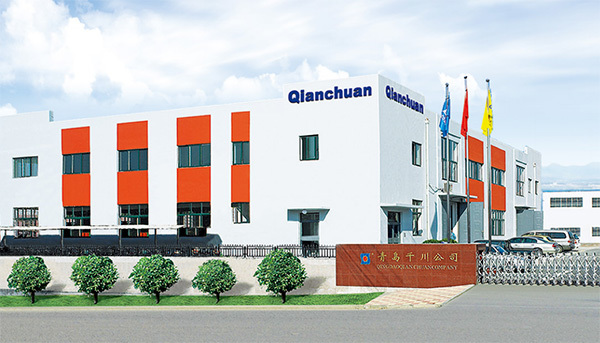
About UsQingdao Qianchuan Woodworking Machinery Co. Ltd (Qianchuan for short) was founded in 1992,which is a modern professional enterprise and gathers designing, manufacturing and selling woodworking machineries.
-
-
NewsQingdao Qianchuan Woodworking Machinery Co. Ltd (Qianchuan for short) was founded in 1992,which is a modern professional enterprise and gathers designing, manufacturing and selling woodworking machineries.


News Center
Unlocking the Potential of Floating Sanding Machines: A Comprehensive Guide
Release time:
2026-02-14 16:00
The fundamental principle behind floating sanding machines is their ability to adjust to the surface irregularities without compromising the sanding quality. This feature not only enhances the operator's control but also minimizes the risk of damaging the material being worked on. By employing a floating pad, these machines can apply consistent pressure, ensuring that the sanding process is both efficient and precise.
In addition to their adaptability, floating sanding machines are often equipped with advanced dust collection systems. This feature not only keeps the work environment cleaner but also contributes to better health and safety conditions for operators. Efficient dust extraction helps in maintaining visibility and reduces respiratory risks associated with airborne particles during sanding operations.
One of the most significant advantages of using floating sanding machines is their versatility. They can be utilized for various applications, including preparing surfaces for painting, finishing furniture, or even refining metal parts. This versatility makes them a valuable addition to workshops, manufacturing facilities, and construction sites alike.
Furthermore, floating sanding machines can significantly improve productivity. The ability to achieve high-quality finishes in a shorter timeframe allows professionals to complete projects more efficiently. This not only saves time but also helps in meeting tight deadlines without compromising on quality.
In terms of maintenance, these machines are generally designed for durability and ease of use. Regular cleaning and proper care can extend the lifespan of the equipment, ensuring that it continues to operate at peak performance. Operators can often replace sanding pads and components easily, which further contributes to the machine's longevity.
In conclusion, floating sanding machines represent a significant advancement in the realm of electric tools and manufacturing machinery. Their ability to provide a precise, adaptable, and efficient sanding solution makes them a must-have for professionals seeking superior finishing results. As industries continue to seek ways to enhance productivity while maintaining quality, floating sanding machines stand out as an essential tool in modern workshops. Embracing this technology can lead to significant improvements in both operational efficiency and product quality.
Related News
Essential Guide to Sanding Equipment for Paint Sanding: Enhancing Your Finishing Process
When it comes to paint sanding, the right sanding equipment can significantly impact the quality of your finish and the efficiency of your workflow. Understanding the various types of sanding equipment for paint sanding can help professionals make informed decisions, streamline processes, and achieve superior results. Sanding equipment primarily includes hand-held tools and machines designed to sm
Multilayer Board Sanding Machine for Precise Thickness Control and Smooth Panel Finishing
Multilayer board sanding machine spots offer reliable equipment for smooth surfaces and precise thickness control.

QingDao QianChuan Woodworking Machinery Co., Ltd.
Tel: 400-008-0088
mailbox: sales@qianchuanshebei.cn
Add: No.10, 3Rd Wanan Road, Shibei District, Qingdao, P.R.C
Copyright©2023 QingDao QianChuan Woodworking Machinery Co., Ltd. Seo