
-
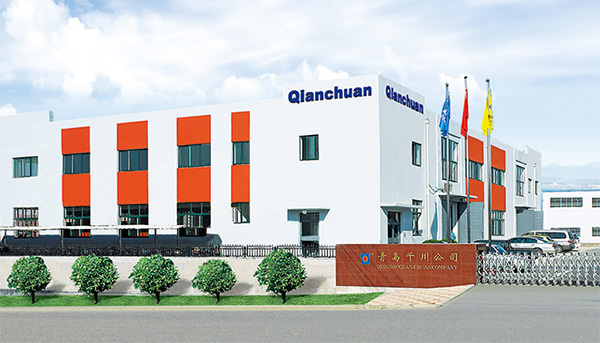
About UsQingdao Qianchuan Woodworking Machinery Co. Ltd (Qianchuan for short) was founded in 1992,which is a modern professional enterprise and gathers designing, manufacturing and selling woodworking machineries.
-
-
NewsQingdao Qianchuan Woodworking Machinery Co. Ltd (Qianchuan for short) was founded in 1992,which is a modern professional enterprise and gathers designing, manufacturing and selling woodworking machineries.


News Center
Unlock Precision: The Role of Sanding Machines in Processing Calcium Silicate Boards
Release time:
2026-03-08 14:50
Unlock Precision: The Role of Sanding Machines in Processing Calcium Silicate Boards
Table of Contents
- Introduction to Calcium Silicate Boards and Sanding Machines
- Understanding Calcium Silicate Boards
- The Importance of Sanding in Manufacturing Processes
- How Sanding Machines Work: A Technical Overview
- Benefits of Using Sanding Machines for Calcium Silicate Boards
- Choosing the Right Sanding Machine for Your Needs
- Maintenance of Sanding Machines: Best Practices
- The Future of Sanding Technologies in Manufacturing
- Conclusion
- FAQs
Introduction to Calcium Silicate Boards and Sanding Machines
In the realm of manufacturing, precision and quality are paramount. The production of **calcium silicate boards**, widely used in construction and insulation, demands meticulous attention to detail. To achieve this, **sanding machines** play a pivotal role, providing the necessary finesse required for a perfect finish. This article delves into the significance of sanding machines in processing calcium silicate boards, highlighting their functionality, benefits, and the future of sanding technology.
Understanding Calcium Silicate Boards
Calcium silicate boards are a versatile building material known for their strength, durability, and resistance to fire and moisture. They are primarily composed of silica, calcium, and reinforcing fibers. Here are a few key characteristics that make them a popular choice in construction:
1. Fire Resistance
Calcium silicate boards can withstand high temperatures, making them suitable for applications requiring fire safety.
2. Moisture Resistance
These boards resist moisture penetration, which is crucial in humid environments, preventing mold and decay.
3. Thermal Insulation
They provide excellent thermal insulation, aiding in energy efficiency for buildings.
4. Easy to Work With
Their lightweight nature allows for easy handling and installation, reducing labor costs in construction projects.
Understanding these properties is essential for manufacturers looking to produce high-quality calcium silicate boards that meet industry standards. Sanding plays an integral role in enhancing these characteristics further.
The Importance of Sanding in Manufacturing Processes
Sanding is not merely a finishing touch; it is a crucial step in the manufacturing process of calcium silicate boards. Here are several reasons why sanding is indispensable:
1. Surface Smoothness
Sanding machines provide a uniform surface finish, eliminating rough patches that can affect aesthetics and performance.
2. Adhesive Bonding
A smooth surface enhances adhesive bonding during installation, ensuring that the boards stay securely in place.
3. Quality Control
Sanding allows manufacturers to maintain strict quality control standards by ensuring that each board meets specific thickness and finish requirements.
4. Increased Durability
By removing imperfections, sanding contributes to the overall longevity of the boards, making them more resilient to wear and tear.
In essence, sanding machines help manufacturers deliver products that not only meet but exceed customer expectations.
How Sanding Machines Work: A Technical Overview
Understanding the mechanics of sanding machines can illuminate their importance in the manufacturing process. Here’s a breakdown of how these machines operate:
1. Types of Sanding Machines
There are various types of sanding machines, including belt sanders, disc sanders, and orbital sanders. Each machine is designed for specific tasks, ensuring versatility in manufacturing.
2. Sanding Mechanism
Sanding machines utilize abrasive materials, typically in the form of sandpaper, which is attached to a rotating disc or belt. This abrasive action smooths the surface of the calcium silicate boards.
3. Adjustable Settings
Many sanding machines come with adjustable speed and pressure settings. This flexibility allows manufacturers to tailor the sanding process according to the specific requirements of the boards.
4. Dust Collection Systems
Advanced sanding machines are equipped with dust collection systems that minimize airborne particles, creating a safer and cleaner working environment.
The combination of these features ensures that sanding machines are optimized for efficiency and effectiveness, leading to superior product quality.
Benefits of Using Sanding Machines for Calcium Silicate Boards
Employing sanding machines in the processing of calcium silicate boards brings forth numerous advantages:
1. Enhanced Precision
Sanding machines are designed to deliver consistent results, ensuring that each board meets precise specifications.
2. Time Efficiency
Automated sanding processes reduce the time spent on manual sanding, allowing manufacturers to increase production rates.
3. Cost-Effectiveness
By improving product quality and reducing waste, sanding machines contribute to overall cost savings in manufacturing.
4. Improved Safety
The use of sanding machines minimizes the risk of injury associated with manual sanding, creating a safer workplace.
Investing in quality sanding machines not only enhances the manufacturing process but also positions businesses favorably in a competitive market.
Choosing the Right Sanding Machine for Your Needs
Selecting the appropriate sanding machine is crucial for optimizing production. Here are some factors to consider:
1. Type of Boards
Consider the specific type of calcium silicate boards being processed. Different boards may require different sanding techniques.
2. Production Volume
Evaluate the production volume to determine whether a manual or automated sanding machine is more suitable.
3. Space Constraints
Assess the available workspace in your manufacturing facility. Compact machines might be necessary for smaller operations.
4. Budget
Establish a budget for equipment acquisition. While investing in quality equipment is essential, balancing cost and functionality is crucial.
Conduct thorough research and consult with industry experts to make informed decisions that align with your operational goals.
Maintenance of Sanding Machines: Best Practices
Regular maintenance of sanding machines is essential to ensure longevity and optimal performance. Here are best practices for maintenance:
1. Routine Cleaning
Regularly clean the machine to remove dust and debris that can hinder performance.
2. Inspect Abrasive Materials
Frequent checks of the sandpaper or abrasive materials are necessary to ensure they are in good condition.
3. Lubrication
Lubricate moving parts as recommended by the manufacturer to prevent wear and tear.
4. Professional Servicing
Schedule professional servicing periodically to address any underlying issues that may not be apparent during routine checks.
Implementing these maintenance practices will extend the life of your sanding machines and ensure they operate at peak efficiency.
The Future of Sanding Technologies in Manufacturing
As technology advances, the sanding industry is witnessing innovative developments. Here are potential future trends:
1. Automation and AI
The incorporation of automation and artificial intelligence in sanding processes could lead to increased efficiency and reduced human error.
2. Eco-Friendly Practices
There is a growing emphasis on sustainable manufacturing. Future sanding technologies may prioritize eco-friendly materials and processes.
3. Advanced Dust Collection
Innovations in dust collection systems will likely enhance safety and air quality in manufacturing environments.
4. Smart Machines
The rise of smart machines that can self-diagnose issues and provide data analytics will transform the sanding process, making it more efficient and reliable.
Staying abreast of these trends will empower manufacturers to adapt and thrive in an ever-evolving market.
Conclusion
In summary, sanding machines play an indispensable role in the processing of calcium silicate boards. Their ability to provide precision, enhance quality, and improve efficiency makes them a vital component of the manufacturing process. By investing in the right equipment and adhering to maintenance best practices, manufacturers can ensure that they meet industry standards and customer expectations. As we look to the future, embracing innovative technologies will further enhance the capabilities of sanding machines, paving the way for an even more efficient manufacturing landscape.
FAQs
1. What are calcium silicate boards primarily used for?
Calcium silicate boards are mainly used for thermal insulation and fire safety in construction.
2. How do sanding machines improve the quality of calcium silicate boards?
Sanding machines create smooth surfaces, ensuring better adhesion and enhancing aesthetic appeal.
3. What factors should I consider when selecting a sanding machine?
Consider the type of boards, production volume, available space, and budget.
4. How often should sanding machines be maintained?
Regular maintenance should be conducted based on usage, but a professional check is recommended at least once a year.
5. Are there eco-friendly options for sanding machines?
Yes, there are sanding machines designed with eco-friendly materials and efficient dust collection systems to minimize environmental impact.
Related News
Comparing Electric Sanding Machines: Which is Best for Calcium Silicate Boards?
Comparing Electric Sanding Machines: Which is Best for Calcium Silicate Boards? When it comes to working with calcium silicate boards, choosing the right electric sanding machine can significantly impact the quality of your finish. These boards, known for their fire resistance, moisture resistance, and sound insulation, are commonly used in construction and renovation projects. They require proper
Improving Particle Board Surface Finishing with More Consistent Sanding
best particle board sanding machine factories provide efficient equipment for smooth, consistent, and high-quality panel finishing.
Floating Sanding Machine for Stable Thickness Control and Efficient Wood Panel Processing
The newest floating sanding machine china offers efficient, stable sanding for woodworking panels and surface finishing.

QingDao QianChuan Woodworking Machinery Co., Ltd.
Tel: 400-008-0088
mailbox: sales@qianchuanshebei.cn
Add: No.10, 3Rd Wanan Road, Shibei District, Qingdao, P.R.C
Copyright©2023 QingDao QianChuan Woodworking Machinery Co., Ltd. Seo