
-
About UsQingdao Qianchuan Woodworking Machinery Co. Ltd (Qianchuan for short) was founded in 1992,which is a modern professional enterprise and gathers designing, manufacturing and selling woodworking machineries.

-
-
NewsQingdao Qianchuan Woodworking Machinery Co. Ltd (Qianchuan for short) was founded in 1992,which is a modern professional enterprise and gathers designing, manufacturing and selling woodworking machineries.


News Center
Unlocking Efficiency: The Role of Multilayer Board Sanding Machines in Modern Manufacturing
Release time:
2026-05-06 11:10
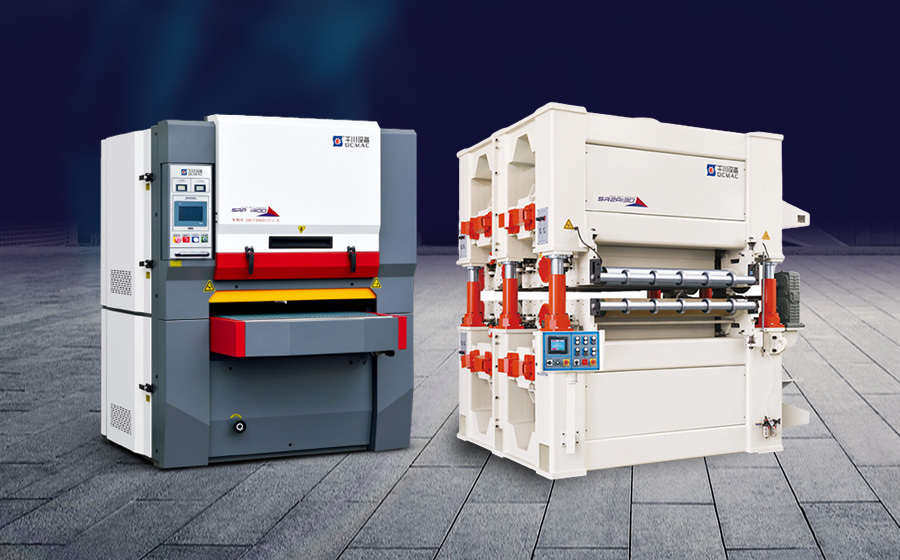
Multilayer boards are composed of several layers of materials, often including wood, composites, or plastics. The sanding process for these boards is critical as it ensures a smooth finish, which is essential for both aesthetic and functional purposes. Multilayer board sanding machines are engineered to provide uniform sanding across various thicknesses and materials, which is crucial for achieving high-quality results.
One of the primary advantages of using multilayer board sanding machines is their efficiency. These machines are equipped with advanced technology that allows for consistent results with minimal manual intervention. Operators can set parameters for speed, pressure, and sanding depth, enabling the machine to perform accurately across multiple layers. This level of automation not only reduces labor costs but also minimizes the risk of human error, leading to a more streamlined production process.
Furthermore, multilayer board sanding machines often incorporate features such as dust collection systems. These systems are vital for maintaining a clean workspace, which is important for both health and safety regulations. By effectively managing dust and debris, these machines help create a safer working environment and improve overall operational efficiency.
The versatility of multilayer board sanding machines also deserves mention. Depending on the specific needs of a project, these machines can be adjusted to accommodate different board sizes, materials, and sanding techniques. This flexibility allows manufacturers to adapt quickly to changing demands and to produce a wide range of products without the need for extensive reconfiguration.
Moreover, advancements in technology have led to the development of smart sanding machines that offer real-time monitoring and feedback. Such innovations enable manufacturers to optimize their processes further, allowing for predictive maintenance and reducing downtime. This is particularly beneficial in high-volume production environments where efficiency is key to meeting customer demands.
In conclusion, multilayer board sanding machines play a crucial role in modern manufacturing, particularly in the electric tools and sanding machine industry. Their ability to provide precise, efficient, and versatile sanding solutions makes them indispensable for professionals who prioritize quality and productivity. As technology continues to evolve, these machines will undoubtedly become even more integral to the manufacturing landscape. Understanding their benefits and functionalities can empower professionals to make informed decisions that enhance their operational capabilities.
Related News
A Comparative Review of Popular Thickness Sanding Machines in the Market
A Comparative Review of Popular Thickness Sanding Machines in the Market Introduction to Thickness Sanding Machines Thickness sanding machines play a crucial role in woodworking, allowing craftsmen to achieve smooth finishes on wood surfaces. These machines are designed to remove material from the surface of the wood, ensuring uniformity in thickness. In this article, we will explore the top thick
Essential Guide to Sanding Equipment for Paint Sanding: Enhancing Your Finishing Process
When it comes to paint sanding, the right sanding equipment can significantly impact the quality of your finish and the efficiency of your workflow. Understanding the various types of sanding equipment for paint sanding can help professionals make informed decisions, streamline processes, and achieve superior results. Sanding equipment primarily includes hand-held tools and machines designed to sm

QingDao QianChuan Woodworking Machinery Co., Ltd.
Tel: 400-008-0088
mailbox: sales@qianchuanshebei.cn
Add: No.10, 3Rd Wanan Road, Shibei District, Qingdao, P.R.C
Copyright©2023 QingDao QianChuan Woodworking Machinery Co., Ltd. Seo