
-
About UsQingdao Qianchuan Woodworking Machinery Co. Ltd (Qianchuan for short) was founded in 1992,which is a modern professional enterprise and gathers designing, manufacturing and selling woodworking machineries.

-
-
NewsQingdao Qianchuan Woodworking Machinery Co. Ltd (Qianchuan for short) was founded in 1992,which is a modern professional enterprise and gathers designing, manufacturing and selling woodworking machineries.


News Center
Essential Tips for Maintaining Your Thickness Sanding Machine for Long-lasting Performance
Release time:
2026-05-16 11:10
Essential Tips for Maintaining Your Thickness Sanding Machine for Long-lasting Performance
When it comes to woodworking, a thickness sanding machine is an invaluable tool. It allows for precision in achieving flat surfaces and uniform thickness across wood pieces. However, like any heavy machinery, it requires proper maintenance to ensure longevity and efficiency. In this guide, we will explore essential tips to maintain your thickness sanding machine, ensuring it delivers peak performance for years to come.
Table of Contents
- Understanding Thickness Sanding Machines
- The Importance of Regular Maintenance
- Daily Cleaning Procedures
- Weekly Inspections: Key Areas to Focus On
- Monthly and Annual Maintenance Tasks
- Common Problems and Their Solutions
- Upgrading and Replacing Parts for Better Performance
- Frequently Asked Questions
Understanding Thickness Sanding Machines
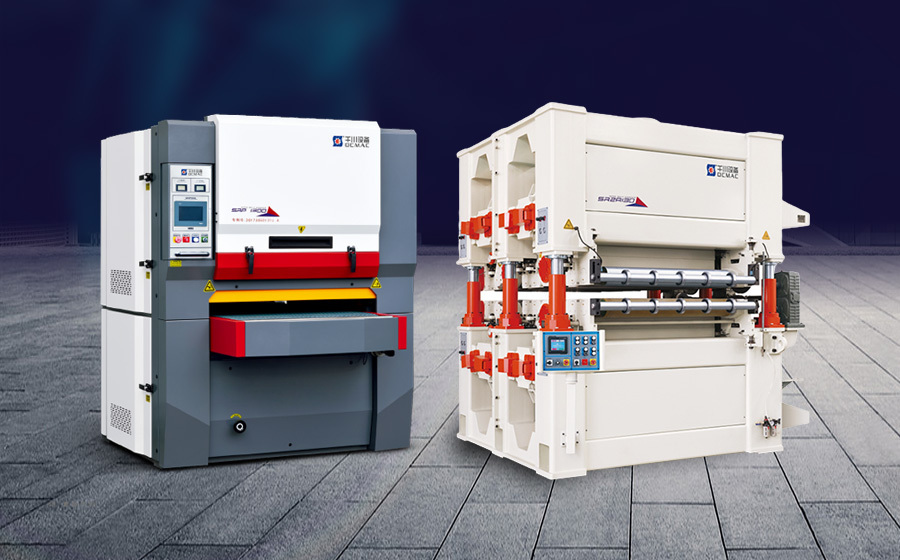
Thickness sanding machines, also known as planers or sanders, are designed to achieve precise thickness in woodwork. They utilize abrasive belts that remove material from the surface of the wood, resulting in a smooth and even finish. With various types available, it is crucial to understand your machine's specific requirements for proper maintenance.
Types of Thickness Sanding Machines
There are several types of thickness sanding machines, including:
- **Drum Sanders:** Use a cylindrical drum covered with sandpaper.
- **Wide Belt Sanders:** Utilize a wide belt to sand larger pieces of wood.
- **Edge Sanders:** Ideal for sanding the edges of wood panels and boards.
Understanding your machine type helps in determining the correct maintenance procedures.
The Importance of Regular Maintenance
Regular maintenance is vital for several reasons:
- **Increased Longevity:** Proper care extends the life of your machine, saving you money on replacements.
- **Optimal Performance:** Regular maintenance ensures consistent performance, leading to better quality finishes.
- **Safety:** Well-maintained machines operate safely, reducing the risk of accidents in the workshop.
Neglecting maintenance can lead to costly repairs and diminished performance.
Daily Cleaning Procedures
Daily cleaning is the foundation of effective maintenance. Here's what we recommend:
Step-by-Step Daily Cleaning
1. **Turn Off the Machine:** Always ensure the machine is powered down before cleaning.
2. **Remove Dust and Debris:** Use a vacuum or a soft brush to remove sawdust and debris from the machine's surfaces and around the belts.
3. **Check the Sandpaper:** Inspect the sandpaper for wear and replace it if necessary to maintain quality sanding.
4. **Clean the Infeed and Outfeed Tables:** Wipe these surfaces with a clean cloth to prevent material buildup.
By establishing a daily cleaning routine, you can prevent minor issues from escalating into major problems.
Weekly Inspections: Key Areas to Focus On
In addition to daily cleaning, weekly inspections can help identify wear and tear before they become significant issues.
Weekly Inspection Checklist
- **Belt Tension:** Verify that the sanding belt is properly tensioned. Loose belts can lead to uneven sanding and increased wear.
- **Alignment:** Check the alignment of the machine components. Misalignment can cause premature wear and poor finish quality.
- **Lubrication Points:** Ensure that all lubrication points are greased as per the manufacturer's recommendations.
A thorough weekly inspection can help catch potential problems early and keep the machine running smoothly.
Monthly and Annual Maintenance Tasks
In addition to daily and weekly care, monthly and annual maintenance tasks are essential for keeping your thickness sanding machine in top shape.
Monthly Maintenance Tasks
1. **Replace the Sandpaper:** Change the sandpaper monthly, or as needed, based on usage. Using worn sandpaper can ruin the finish.
2. **Clean the Dust Collection System:** Empty and clean the dust collection bags or bins to maintain optimal suction.
3. **Inspect Belts for Wear:** Check all belts for signs of cracking or wear and replace them as needed.
Annual Maintenance Tasks
1. **Professional Calibration:** Consider having a professional calibrate the machine once a year to ensure all parts function harmoniously.
2. **Electrical Components Check:** Inspect electrical components such as wiring, switches, and circuit boards for signs of wear or damage.
Regularly completing these tasks can significantly reduce the likelihood of unexpected breakdowns.
Common Problems and Their Solutions
Even with the best maintenance practices, issues can arise. Here are some common problems you may encounter with thickness sanding machines and their solutions:
1. Uneven Sanding
**Symptoms:** The wood surface has a wavy or uneven finish.
**Solution:** Check the belt tension and alignment to ensure everything is adjusted correctly.
2. Excessive Noise
**Symptoms:** The machine produces unusual sounds while in operation.
**Solution:** Inspect bearings and moving parts for wear. Lubricate or replace as necessary.
3. Dust Collection Failures
**Symptoms:** Increased sawdust accumulation around the machine.
**Solution:** Clean the dust collection system and ensure all connections are secure.
Regularly troubleshooting these issues can save valuable time and resources.
Upgrading and Replacing Parts for Better Performance
As your thickness sanding machine ages, upgrading or replacing certain parts might be necessary. Here’s what to consider:
When to Upgrade
- **Increased Production Needs:** If your business is growing, investing in a higher-capacity model is worthwhile.
- **Technology Advancements:** Newer models often feature improved technology that can enhance performance and efficiency.
Key Parts to Consider Replacing
- **Belts:** Regularly replacing belts ensures consistent performance.
- **Sandpaper:** Upgrading to higher-quality sandpaper can significantly improve finish quality.
- **Motor:** If the machine struggles to power through tasks, it may be time for a motor upgrade.
Stay proactive about upgrades and replacements to maintain optimal machine performance.
Frequently Asked Questions
1. How often should I clean my thickness sanding machine?
We recommend a daily cleaning routine to remove dust and debris, ensuring optimal performance.
2. What type of sandpaper should I use?
Choose sandpaper that matches your specific thickness sanding machine and the type of wood you are working with.
3. How can I tell if my machine needs servicing?
Unusual sounds, poor sanding quality, or excessive dust buildup are signs that your machine may need professional servicing.
4. Is it necessary to lubricate my machine?
Yes, regular lubrication of moving parts is crucial for ensuring smooth operation and prolonging the life of the machine.
5. Can I perform maintenance tasks myself?
Many maintenance tasks can be performed by the user, but always consult your manufacturer's manual for detailed instructions and recommendations.
Conclusion
Maintaining your thickness sanding machine is essential for ensuring its longevity and optimal performance. By adopting a consistent routine that includes daily cleaning, weekly inspections, and monthly and annual maintenance tasks, you can avoid costly repairs and downtime. Furthermore, understanding common issues and how to troubleshoot them will help you keep your machine in peak condition. Remember, investing time and effort into proper maintenance will reward you with a reliable and efficient tool that meets your woodworking needs for years to come.
Related News
Comparing Electric Sanding Machines: Which is Best for Calcium Silicate Boards?
Comparing Electric Sanding Machines: Which is Best for Calcium Silicate Boards? When it comes to working with calcium silicate boards, choosing the right electric sanding machine can significantly impact the quality of your finish. These boards, known for their fire resistance, moisture resistance, and sound insulation, are commonly used in construction and renovation projects. They require proper
Improving Particle Board Surface Finishing with More Consistent Sanding
best particle board sanding machine factories provide efficient equipment for smooth, consistent, and high-quality panel finishing.
Floating Sanding Machine for Stable Thickness Control and Efficient Wood Panel Processing
The newest floating sanding machine china offers efficient, stable sanding for woodworking panels and surface finishing.

QingDao QianChuan Woodworking Machinery Co., Ltd.
Tel: 400-008-0088
mailbox: sales@qianchuanshebei.cn
Add: No.10, 3Rd Wanan Road, Shibei District, Qingdao, P.R.C
Copyright©2023 QingDao QianChuan Woodworking Machinery Co., Ltd. Seo