
-
About UsQingdao Qianchuan Woodworking Machinery Co. Ltd (Qianchuan for short) was founded in 1992,which is a modern professional enterprise and gathers designing, manufacturing and selling woodworking machineries.

-
-
NewsQingdao Qianchuan Woodworking Machinery Co. Ltd (Qianchuan for short) was founded in 1992,which is a modern professional enterprise and gathers designing, manufacturing and selling woodworking machineries.


News Center
Thickness Sanding Machines: Enhancing Precision in Woodworking
Release time:
2026-06-08 09:20
Thickness Sanding Machines: Enhancing Precision in Woodworking
Table of Contents
- Introduction to Thickness Sanding Machines
- Importance of Thickness Sanding in Woodworking
- How Thickness Sanding Machines Work
- Key Features of Thickness Sanding Machines
- Types of Thickness Sanding Machines
- Applications of Thickness Sanding Machines in Woodworking
- Choosing the Right Thickness Sanding Machine
- Maintenance Tips for Thickness Sanding Machines
- Frequently Asked Questions
- Conclusion
Introduction to Thickness Sanding Machines
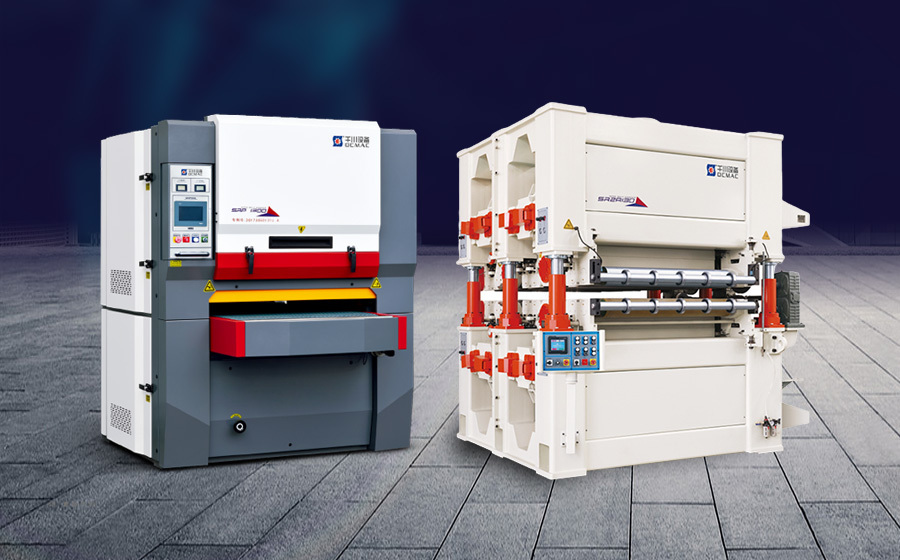
Thickness sanding machines play a pivotal role in the woodworking industry, primarily due to their ability to enhance the precision and efficiency of sanding processes. These machines are designed to provide consistent thickness across various types of wood, ensuring a smooth finish that is essential for high-quality woodworking projects. By utilizing a thickness sanding machine, woodworkers can achieve uniformity in their materials, which is crucial for both aesthetic appeal and functional integrity.
Importance of Thickness Sanding in Woodworking
The significance of thickness sanding cannot be overstated. In woodworking, achieving the correct thickness not only impacts the aesthetic quality of finished products but also influences structural stability. Variations in thickness can lead to issues such as warping, cracking, or improper fitting of components. Hence, thickness sanding machines enable woodworkers to attain precise measurements, which is essential for:
1. Achieving Uniformity
Uniformity in thickness allows for seamless assembly and finishing, ensuring that all pieces fit together flawlessly.
2. Enhancing Durability
A consistent thickness reduces the risk of structural weaknesses, which can compromise the durability of the finished product.
3. Improving Aesthetic Quality
Smooth, uniformly sanded surfaces result in a more appealing visual appearance, which is vital for customer satisfaction in commercial woodworking.
How Thickness Sanding Machines Work
Thickness sanding machines operate on a straightforward yet effective principle. They utilize a combination of sanding belts or pads that move in a controlled manner to remove material from the wood surface. Here’s how they work:
1. Material Feeding
The wood is fed into the machine, usually via rollers that grip the material securely as it passes through.
2. Abrasive Action
As the wood moves forward, it comes into contact with rotating sanding belts or pads that are designed to remove excess material. The grit of the sanding material can vary depending on the desired finish.
3. Thickness Adjustment
Most thickness sanding machines come equipped with adjustable settings that allow users to specify the desired thickness. This feature ensures repeatability and precision in every sanding operation.
4. Dust Collection
To maintain a clean working environment and enhance visibility, many thickness sanders feature built-in dust collection systems that effectively remove debris during operation.
Key Features of Thickness Sanding Machines
Understanding the key features of thickness sanding machines can help woodworkers make informed decisions when selecting the right equipment for their projects. Here are some noteworthy features:
1. Adjustable Thickness Settings
Most machines allow for precise adjustments, enabling users to set the desired thickness with ease.
2. High-Quality Abrasive Materials
The use of durable, high-quality sanding belts or pads ensures effective material removal while providing a superior finish.
3. Variable Speed Control
Variable speed settings allow users to adjust the sanding speed based on the type of wood and finish required. This flexibility enhances the overall sanding experience.
4. Robust Construction
Thickness sanding machines are built to withstand rigorous use, featuring sturdy frames and components that ensure longevity.
5. Safety Features
Many machines come equipped with safety features such as emergency shut-off switches and protective guards to enhance user safety during operation.
Types of Thickness Sanding Machines
Different projects may require different types of thickness sanding machines. Understanding these options can help woodworkers select the best tool for their needs:
1. Benchtop Thickness Sanders
These compact machines are ideal for hobbyists and small workshops. They are lightweight, portable, and perfect for smaller projects.
2. Floor-Standing Thickness Sanders
Designed for heavy-duty use, floor-standing models offer larger sanding surfaces and more powerful motors, making them suitable for professional woodworking shops.
3. Combination Sanders
These versatile machines combine the functions of thickness sanders and other sanding types, such as belt or disc sanding, providing greater flexibility for various tasks.
4. Wide Belt Sanders
For larger sheets of plywood or multiple pieces of lumber, wide belt sanders are ideal, as they accommodate wider workpieces and enhance productivity.
Applications of Thickness Sanding Machines in Woodworking
Thickness sanding machines find applications across various woodworking tasks, including:
1. Furniture Making
Furniture makers use thickness sanders to achieve consistent thickness in tabletops, chair legs, and other components, ensuring a polished final product.
2. Cabinetry
Thickness sanding is critical in cabinetry to ensure that doors and drawers fit seamlessly, contributing to the overall quality of the cabinetry.
3. Flooring
In flooring applications, thickness sanding machines are used to prepare hardwood planks for installation, enhancing the fit and finish of the flooring.
4. Musical Instruments
Crafting musical instruments requires superior precision; thickness sanders help instrument makers achieve the necessary uniformity and surface quality.
Choosing the Right Thickness Sanding Machine
Selecting the right thickness sanding machine can significantly impact your woodworking results. Here are some factors to consider:
1. Project Size and Scope
Evaluate the scale of your projects to determine whether a benchtop or floor-standing model is more appropriate.
2. Material Types
Consider the types of wood you typically work with; some thickness sanders are better suited for specific materials.
3. Budget
Thickness sanding machines come in a range of prices. Set a budget that aligns with your needs, while keeping in mind that investing in quality can yield long-term benefits.
4. Brand Reputation
Research reputable brands known for durability and performance in thickness sanding machines to ensure you get a reliable product.
5. User Reviews and Recommendations
Check online reviews and seek recommendations from fellow woodworkers to gain insights on the best machines currently available on the market.
Maintenance Tips for Thickness Sanding Machines
Proper maintenance of thickness sanding machines is essential for extending their lifespan and maintaining performance. Here are some maintenance tips:
1. Regular Cleaning
Keep the machine clean by regularly removing dust and debris from the sanding area and dust collection system.
2. Inspect and Replace Sanding Belts
Regularly inspect sanding belts or pads for wear and replace them as needed to ensure optimal performance.
3. Lubricate Moving Parts
Follow the manufacturer’s guidelines for lubricating moving parts to ensure smooth operation.
4. Calibration Checks
Perform periodic calibration checks to ensure the machine is functioning accurately and producing consistent thickness.
5. Follow Manufacturer Instructions
Always refer to the manufacturer’s manual for specific maintenance requirements and troubleshooting tips.
Frequently Asked Questions
1. What is the primary function of a thickness sanding machine?
The primary function of a thickness sanding machine is to remove material from wood surfaces to achieve a consistent thickness and smooth finish.
2. Can I use a thickness sanding machine for different types of wood?
Yes, thickness sanding machines can be used for various types of wood, although some machines may perform better with specific materials.
3. How do I know what thickness to set on my machine?
The thickness setting depends on the project requirements. Measure the desired thickness and adjust the machine accordingly.
4. How often should I replace sanding belts?
Sanding belts should be replaced when they show signs of wear, such as discoloration, fraying, or reduced effectiveness.
5. What safety precautions should I take when using a thickness sanding machine?
Always wear safety goggles and a dust mask, ensure the machine is properly grounded, and follow the manufacturer's safety guidelines.
Conclusion
Thickness sanding machines are indispensable tools for woodworkers seeking to enhance precision and efficiency in their projects. With their ability to deliver uniform thickness and smooth finishes, these machines play a critical role in various woodworking applications. By understanding their features, types, and maintenance needs, woodworkers can make informed decisions that will lead to high-quality results. Investing in a reliable thickness sanding machine not only improves the craftsmanship of your work but also elevates your woodworking projects to new heights of professionalism.
Related News
Comparing Electric Sanding Machines: Which is Best for Calcium Silicate Boards?
Comparing Electric Sanding Machines: Which is Best for Calcium Silicate Boards? When it comes to working with calcium silicate boards, choosing the right electric sanding machine can significantly impact the quality of your finish. These boards, known for their fire resistance, moisture resistance, and sound insulation, are commonly used in construction and renovation projects. They require proper
Improving Particle Board Surface Finishing with More Consistent Sanding
best particle board sanding machine factories provide efficient equipment for smooth, consistent, and high-quality panel finishing.
Floating Sanding Machine for Stable Thickness Control and Efficient Wood Panel Processing
The newest floating sanding machine china offers efficient, stable sanding for woodworking panels and surface finishing.

QingDao QianChuan Woodworking Machinery Co., Ltd.
Tel: 400-008-0088
mailbox: sales@qianchuanshebei.cn
Add: No.10, 3Rd Wanan Road, Shibei District, Qingdao, P.R.C
Copyright©2023 QingDao QianChuan Woodworking Machinery Co., Ltd. Seo