
-
About UsQingdao Qianchuan Woodworking Machinery Co. Ltd (Qianchuan for short) was founded in 1992,which is a modern professional enterprise and gathers designing, manufacturing and selling woodworking machineries.

-
-
NewsQingdao Qianchuan Woodworking Machinery Co. Ltd (Qianchuan for short) was founded in 1992,which is a modern professional enterprise and gathers designing, manufacturing and selling woodworking machineries.


News Center
From Rough to Smooth: The Essential Role of Thickness Sanding Machines in Perfecting Finishes
Release time:
2026-07-08 10:30
From Rough to Smooth: The Essential Role of Thickness Sanding Machines in Perfecting Finishes
Table of Contents
- 1. Introduction to Thickness Sanding Machines
- 2. Understanding Thickness Sanding Machines
- 3. Benefits of Using Thickness Sanding Machines
- 4. Applications of Thickness Sanding Machines
- 5. Maintenance and Care for Thickness Sanding Machines
- 6. Choosing the Right Thickness Sanding Machine
- 7. FAQs About Thickness Sanding Machines
- 8. Conclusion
1. Introduction to Thickness Sanding Machines
In the manufacturing and woodworking industries, achieving a smooth finish is essential for both aesthetic appeal and functional performance. **Thickness sanding machines** play a crucial role in this process, transforming rough materials into finely polished products. These machines are designed for precision, efficiency, and versatility, making them indispensable in various applications.
2. Understanding Thickness Sanding Machines
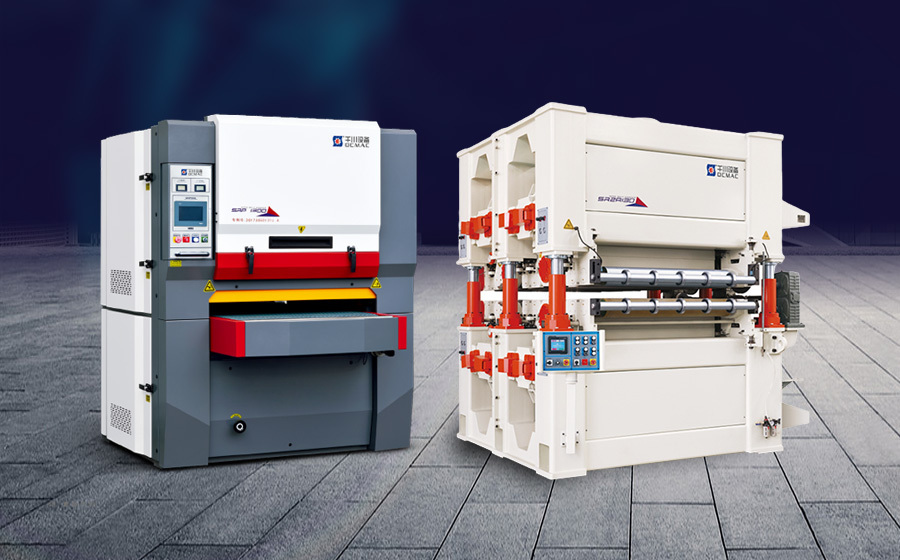
Thickness sanding machines are specialized tools that remove material from the surface of workpieces to achieve a uniform thickness and smooth finish. Understanding their operation and components is vital for maximizing their potential.
2.1 How Thickness Sanding Works
Thickness sanding involves passing a workpiece through a series of sanding rollers that utilize abrasive materials to smooth the surface. The process begins with the rough material, which is typically thicker than the desired final product. As the material passes through the machine, the sanding rollers remove layers of material, gradually achieving the specified thickness and finish.
2.2 Key Components of Thickness Sanding Machines
Thickness sanding machines consist of several key components:
- **Sanding Rollers:** These are the primary surfaces that perform the sanding action. Made from various materials, they can be replaced or adjusted based on the desired finish.
- **Feed Table:** This component holds the workpiece in place and guides it through the machine.
- **Motor:** The motor powers the sanding rollers and controls the speed at which the material is fed through the machine.
- **Dust Collection System:** To maintain a clean working environment, thickness sanding machines often include a dust collection system that removes debris generated during the sanding process.
3. Benefits of Using Thickness Sanding Machines
Investing in a thickness sanding machine offers numerous advantages, particularly in enhancing the quality and efficiency of the finishing process.
3.1 Improved Finish Quality
One of the primary benefits of thickness sanding machines is the ability to achieve a superior finish quality. The precision of these machines ensures that the surface is uniformly smooth, free from imperfections, and ready for further processing or finishing treatments.
3.2 Time and Efficiency
Thickness sanding machines significantly reduce the time required to achieve the desired finish. Unlike manual sanding, which can be labor-intensive and time-consuming, these machines streamline the process, allowing for faster production and turnaround times.
4. Applications of Thickness Sanding Machines
Thickness sanding machines are versatile tools used across multiple industries. Their applications include woodworking, furniture manufacturing, metalworking, and more.
4.1 Woodworking Industry
In the woodworking industry, thickness sanding machines are utilized to prepare wood surfaces for staining, painting, or sealing. Whether it’s for furniture, cabinetry, or decorative elements, achieving a smooth finish is essential for both appearance and durability.
4.2 Metalworking Industry
Thickness sanding machines also find applications in the metalworking industry, particularly for smoothing metal surfaces used in various products and components. These machines ensure that metal parts are free from rough edges and imperfections, enhancing their performance and longevity.
5. Maintenance and Care for Thickness Sanding Machines
To ensure optimal performance and longevity, regular maintenance of thickness sanding machines is essential. Key maintenance practices include:
- **Regular Cleaning:** Keep the machine free from dust and debris to prevent clogging and ensure efficient operation.
- **Replacing Sanding Rollers:** Monitor the condition of sanding rollers and replace them when they show signs of wear.
- **Lubrication:** Ensure that moving parts are lubricated to prevent friction and wear.
6. Choosing the Right Thickness Sanding Machine
Selecting the right thickness sanding machine involves evaluating several factors:
- **Material Type:** Different machines are designed for specific materials, so it's crucial to consider the types of materials you will be sanding.
- **Machine Size:** The size of the machine should correspond to the scope of your projects. Larger machines can handle bigger workpieces, while smaller machines are suitable for limited spaces.
- **Budget:** Consider your budget, as thickness sanding machines come in a wide range of prices. Investing in a quality machine can yield better results and durability.
7. FAQs About Thickness Sanding Machines
What is a thickness sanding machine?
A thickness sanding machine is a tool designed to remove material from the surface of workpieces, achieving a uniform thickness and smooth finish through the use of abrasive rollers.
How does thickness sanding differ from traditional sanding?
Thickness sanding provides a more uniform and precise finish compared to traditional sanding methods, which can be uneven and require more manual effort.
Can thickness sanding machines be used for both wood and metal?
Yes, thickness sanding machines can be used for both wood and metal, although specific machines may be better suited for certain materials.
What maintenance is required for thickness sanding machines?
Maintenance includes regular cleaning, replacing worn sanding rollers, and lubricating moving parts to ensure efficient operation.
How do I choose the right thickness sanding machine for my needs?
Consider factors such as material type, machine size, and budget when selecting a thickness sanding machine.
8. Conclusion
Thickness sanding machines play an indispensable role in achieving high-quality finishes in various manufacturing and woodworking applications. Their ability to transform rough materials into smooth, uniform products significantly enhances production efficiency and finish quality. By understanding how these machines operate, their benefits, and proper maintenance practices, businesses can maximize their value and streamline their finishing processes. Investing in the right thickness sanding machine is essential for anyone looking to elevate the quality of their products while ensuring efficiency in production.
Related News
Comparing Electric Sanding Machines: Which is Best for Calcium Silicate Boards?
Comparing Electric Sanding Machines: Which is Best for Calcium Silicate Boards? When it comes to working with calcium silicate boards, choosing the right electric sanding machine can significantly impact the quality of your finish. These boards, known for their fire resistance, moisture resistance, and sound insulation, are commonly used in construction and renovation projects. They require proper
Improving Particle Board Surface Finishing with More Consistent Sanding
best particle board sanding machine factories provide efficient equipment for smooth, consistent, and high-quality panel finishing.
Floating Sanding Machine for Stable Thickness Control and Efficient Wood Panel Processing
The newest floating sanding machine china offers efficient, stable sanding for woodworking panels and surface finishing.

QingDao QianChuan Woodworking Machinery Co., Ltd.
Tel: 400-008-0088
mailbox: sales@qianchuanshebei.cn
Add: No.10, 3Rd Wanan Road, Shibei District, Qingdao, P.R.C
Copyright©2023 QingDao QianChuan Woodworking Machinery Co., Ltd. Seo