
-
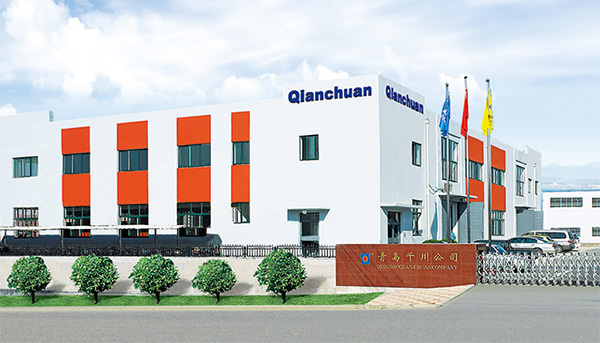
About UsQingdao Qianchuan Woodworking Machinery Co. Ltd (Qianchuan for short) was founded in 1992,which is a modern professional enterprise and gathers designing, manufacturing and selling woodworking machineries.
-
-
NewsQingdao Qianchuan Woodworking Machinery Co. Ltd (Qianchuan for short) was founded in 1992,which is a modern professional enterprise and gathers designing, manufacturing and selling woodworking machineries.


News Center
Innovative Features of Modern Sanding Machines for Calcium Silicate Board Manufacturing
Release time:
2026-07-20 10:10
Innovative Features of Modern Sanding Machines for Calcium Silicate Board Manufacturing
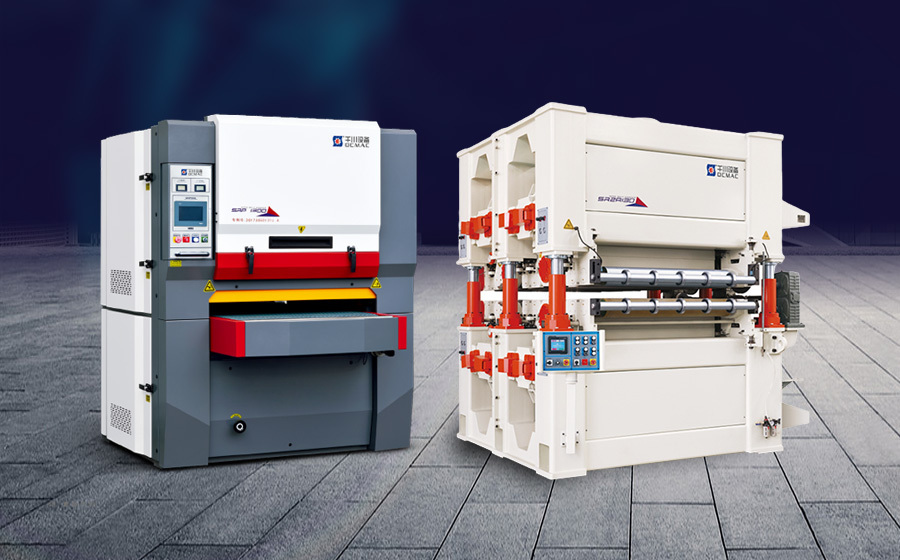
Calcium silicate boards are widely used in construction and industrial applications due to their fire resistance, thermal insulation, and durability. However, the quality of these boards largely depends on the precision of the sanding process involved in their production. In recent years, significant advancements in sanding machine technology have revolutionized the manufacturing of calcium silicate boards. This article delves into the innovative features of modern sanding machines that enhance efficiency, performance, and sustainability.
Understanding Calcium Silicate Board Manufacturing
Before diving into the specifics of sanding machines, it's essential to understand the role of calcium silicate boards in various industries. These boards are composed primarily of calcium silicate, reinforcing fibers, and fillers, making them ideal for use in construction as fireproof and moisture-resistant materials. The production of these boards involves several steps, including mixing raw materials, forming, curing, and sanding for a smooth finish.
The Importance of Sanding in Calcium Silicate Board Production
Sanding is a critical step in the manufacturing process of calcium silicate boards. It ensures that the surfaces are smooth, providing an excellent base for further treatments, including painting and coating. The quality of sanding directly affects the aesthetic appeal and functional performance of the finished product. Modern sanding machines introduce innovative features that significantly improve this process.
Key Features of Modern Sanding Machines
In the modern era of manufacturing, sanding machines have evolved to incorporate several advanced features that enhance their functionality. Here are some of the most notable innovations:
1. Automated Precision Controls
Modern sanding machines are equipped with **automated precision controls** that ensure consistent sanding across multiple boards. These systems adjust the sanding pressure, speed, and depth automatically, reducing human error and enhancing overall product quality. Automated controls also allow for real-time monitoring, ensuring that the sanding process remains within specified tolerances.
2. Dust Collection Systems
Dust generation during the sanding process can pose health hazards and environmental challenges. Innovative sanding machines now feature integrated **dust collection systems** designed to minimize airborne particles. These systems not only promote a safer working environment but also improve the cleanliness of the manufacturing area, reducing the need for extensive cleanup after production.
3. Variable Speed Settings
Different materials and thicknesses require different sanding speeds for optimal results. Modern machines offer **variable speed settings**, allowing operators to customize the sanding speed based on specific needs. This flexibility ensures that both delicate and robust surfaces receive the proper treatment without compromising quality.
4. Multi-Functional Capabilities
Today's sanding machines are designed for versatility. Many models can perform multiple functions, such as sanding, grinding, and polishing, within a single unit. This **multi-functional capability** streamlines the manufacturing process, reducing the need for multiple machines and freeing up valuable factory floor space.
5. Enhanced Ergonomics
Operator comfort and safety are paramount in modern machinery design. Innovative sanding machines are built with **ergonomic features** that reduce physical strain on operators. Adjustable workstations, easy-to-reach controls, and reduced vibration levels contribute to a safer and more comfortable working environment, leading to increased productivity.
Technological Innovations Enhancing Sanding Machines
Technological advancements play a crucial role in the evolution of sanding machines. Here are some notable technologies that have revolutionized the sanding process in calcium silicate board manufacturing.
Artificial Intelligence and Machine Learning
The integration of **artificial intelligence (AI)** and **machine learning** into sanding machines allows for predictive maintenance and improved operational efficiencies. AI algorithms can analyze data from previous manufacturing runs to optimize sanding parameters for future productions, leading to enhanced quality control and decreased downtime.
IoT Connectivity
The **Internet of Things (IoT)** has transformed how machines communicate and operate. Modern sanding machines often feature IoT connectivity, enabling remote monitoring and control. Operators can track machine performance and maintenance needs from their mobile devices, contributing to more efficient production planning and reduced operational costs.
Advanced Abrasive Materials
The choice of abrasive materials used in sanding significantly impacts the efficiency and quality of the process. Modern machines utilize advanced abrasive technologies, such as **ceramic and diamond abrasives**, which provide longer-lasting performance and improved sanding results. These materials reduce the frequency of abrasive changes, minimizing downtime and costs.
Benefits of Modern Sanding Machines in Calcium Silicate Board Manufacturing
Investing in innovative sanding machines offers numerous advantages for manufacturers of calcium silicate boards. Here are some key benefits:
Increased Production Efficiency
With automated processes and variable speed settings, modern sanding machines significantly increase production efficiency. Manufacturers can produce higher volumes of finished boards in less time, meeting growing market demands without sacrificing quality.
Improved Product Quality
The precision and consistency provided by modern sanding machines lead to improved product quality. Boards that undergo precise sanding exhibit superior smoothness and finish, enhancing their overall appeal and performance in various applications.
Cost Savings
While the initial investment in advanced sanding machines may be significant, the long-term cost savings are substantial. Reduced labor costs, lower material waste, and decreased maintenance expenses contribute to a more profitable manufacturing operation.
Enhanced Environmental Sustainability
Modern sanding machines contribute to environmental sustainability through efficient dust collection systems and reduced energy consumption. By minimizing waste and promoting cleaner production practices, manufacturers can align with global sustainability initiatives.
Future Trends in Sanding Machine Technology
As technology continues to evolve, sanding machines will likely incorporate even more innovative features in the coming years. Here are some trends to watch for:
Smart Manufacturing Integration
As part of the broader **Industry 4.0** movement, future sanding machines will likely be designed for seamless integration into smart manufacturing ecosystems. This includes advanced data analytics capabilities and improved interoperability with other machines on the production floor.
Increased Customization Options
Future sanding machines may offer increased customization options, allowing manufacturers to tailor machines to their specific production needs. Enhanced modular designs could enable manufacturers to upgrade components without replacing entire machines, promoting flexibility and longevity.
Focus on Sustainability
Environmental considerations will continue to shape the development of sanding machines. Future innovations will likely prioritize energy efficiency, reduced waste, and the use of sustainable materials in machine construction.
Frequently Asked Questions (FAQs)
What are calcium silicate boards used for?
Calcium silicate boards are commonly used in construction for insulation, fire resistance, and as wall and ceiling panels in commercial and residential buildings.
How do modern sanding machines improve productivity?
Modern sanding machines enhance productivity through automation, precise controls, and variable speed settings, allowing for faster and more efficient production.
What features should I look for in a sanding machine for calcium silicate board manufacturing?
Key features to consider include automated precision controls, dust collection systems, variable speed settings, multi-functional capabilities, and ergonomic design.
How do AI and IoT enhance sanding machine performance?
AI and IoT technologies allow for predictive maintenance, remote monitoring, and operational optimization, resulting in improved efficiency and reduced downtime.
Are modern sanding machines environmentally friendly?
Yes, modern sanding machines often incorporate features that promote environmental sustainability, such as efficient dust collection systems and reduced energy consumption.
Conclusion
In conclusion, the innovative features of modern sanding machines have significantly transformed the manufacturing landscape for calcium silicate boards. By enhancing precision, efficiency, and sustainability, these machines are not only improving product quality but are also helping manufacturers keep pace with the evolving market demands. As technology continues to advance, we can expect even more innovations that will further optimize the sanding process, ensuring that calcium silicate boards meet the highest standards of performance and environmental responsibility. Embracing these modern sanding solutions is essential for manufacturers seeking to thrive in a competitive landscape while delivering superior products.
Related News
Comparing Electric Sanding Machines: Which is Best for Calcium Silicate Boards?
Comparing Electric Sanding Machines: Which is Best for Calcium Silicate Boards? When it comes to working with calcium silicate boards, choosing the right electric sanding machine can significantly impact the quality of your finish. These boards, known for their fire resistance, moisture resistance, and sound insulation, are commonly used in construction and renovation projects. They require proper
Improving Particle Board Surface Finishing with More Consistent Sanding
best particle board sanding machine factories provide efficient equipment for smooth, consistent, and high-quality panel finishing.
Floating Sanding Machine for Stable Thickness Control and Efficient Wood Panel Processing
The newest floating sanding machine china offers efficient, stable sanding for woodworking panels and surface finishing.

QingDao QianChuan Woodworking Machinery Co., Ltd.
Tel: 400-008-0088
mailbox: sales@qianchuanshebei.cn
Add: No.10, 3Rd Wanan Road, Shibei District, Qingdao, P.R.C
Copyright©2023 QingDao QianChuan Woodworking Machinery Co., Ltd. Seo