
-
About UsQingdao Qianchuan Woodworking Machinery Co. Ltd (Qianchuan for short) was founded in 1992,which is a modern professional enterprise and gathers designing, manufacturing and selling woodworking machineries.

-
-
NewsQingdao Qianchuan Woodworking Machinery Co. Ltd (Qianchuan for short) was founded in 1992,which is a modern professional enterprise and gathers designing, manufacturing and selling woodworking machineries.


News Center
The Essential Guide to Floating Thickness Sanding Machines: Optimizing Woodworking Efficiency
Release time:
2026-11-19 09:42
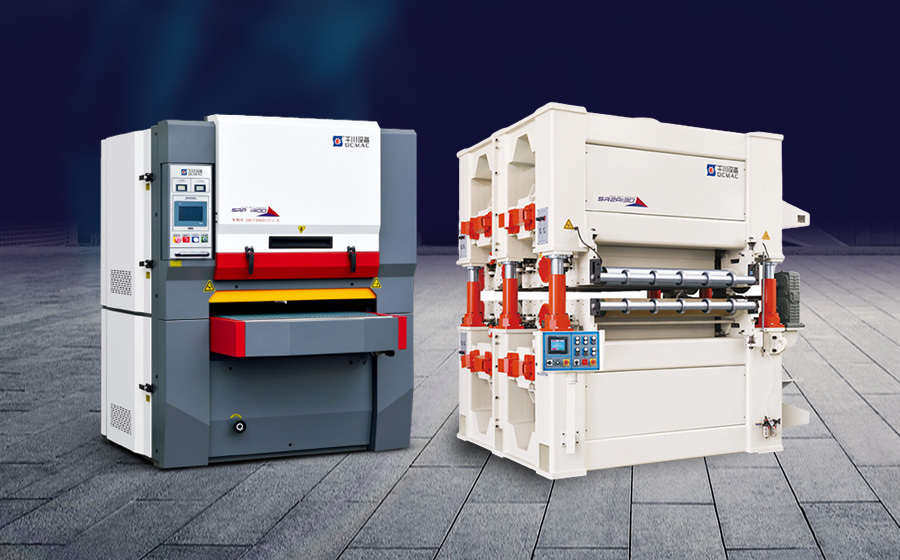
The primary function of a floating thickness sanding machine is to sand the surface of materials, such as wood, to a specific thickness while simultaneously improving its finish. Unlike traditional sanding methods, floating thickness sanders utilize a unique mechanism that allows the sanding head to "float" over the material. This floating action enables the machine to adjust to the contours of the workpiece, ensuring consistent and even sanding across its entire surface. This feature is particularly beneficial when working with warped or irregular surfaces, as it guarantees a uniform finish without the risk of creating uneven spots.
One of the key advantages of using a floating thickness sanding machine is its ability to save time and increase productivity. By automating the sanding process, these machines significantly reduce the amount of manual labor required. This results in faster turnaround times for projects and allows workers to focus on other aspects of production. Moreover, the precision offered by these machines reduces the likelihood of errors, minimizing material waste and ensuring that the final product meets the desired specifications.
In addition to efficiency, floating thickness sanding machines contribute to a superior finish on the workpiece. The ability to achieve consistent thickness leads to a higher quality product, which is critical in industries where appearance and performance are paramount. The smooth surface produced by these machines not only enhances the aesthetic appeal of the finished product but also improves its functionality, making it easier to apply stains, paints, or other finishes.
When considering the implementation of a floating thickness sanding machine, it is essential to evaluate factors such as the material types, desired thickness tolerances, and the scale of production. Understanding these parameters will help identify the right machine that fits specific operational needs.
In summary, floating thickness sanding machines are an invaluable asset for professionals in the woodworking industry. By offering precision, efficiency, and high-quality finishes, they play a crucial role in optimizing production processes. Embracing this technology can lead to significant improvements in output and product quality, ultimately contributing to business success.
Related News
The Essential Guide to Floating Thickness Sanding Machines: Optimizing Woodworking Efficiency
Floating thickness sanding machines are essential tools in the woodworking and manufacturing industries, designed to deliver precise sanding and finishing on a variety of materials. These machines are particularly effective in achieving uniform thickness and surface smoothness, making them invaluable for professionals engaged in high-quality production. The primary function of a floating thickness
A Comparative Review of Popular Thickness Sanding Machines in the Market
A Comparative Review of Popular Thickness Sanding Machines in the Market Introduction to Thickness Sanding Machines Thickness sanding machines play a crucial role in woodworking, allowing craftsmen to achieve smooth finishes on wood surfaces. These machines are designed to remove material from the surface of the wood, ensuring uniformity in thickness. In this article, we will explore the top thick

QingDao QianChuan Woodworking Machinery Co., Ltd.
Tel: 400-008-0088
mailbox: sales@qianchuanshebei.cn
Add: No.10, 3Rd Wanan Road, Shibei District, Qingdao, P.R.C
Copyright©2023 QingDao QianChuan Woodworking Machinery Co., Ltd. Seo