
-
About UsQingdao Qianchuan Woodworking Machinery Co. Ltd (Qianchuan for short) was founded in 1992,which is a modern professional enterprise and gathers designing, manufacturing and selling woodworking machineries.

-
-
NewsQingdao Qianchuan Woodworking Machinery Co. Ltd (Qianchuan for short) was founded in 1992,which is a modern professional enterprise and gathers designing, manufacturing and selling woodworking machineries.


News Center
Unlocking the Benefits of Floating Thickness Sanding Machines for Precision Woodworking
Release time:
2026-09-17 09:00
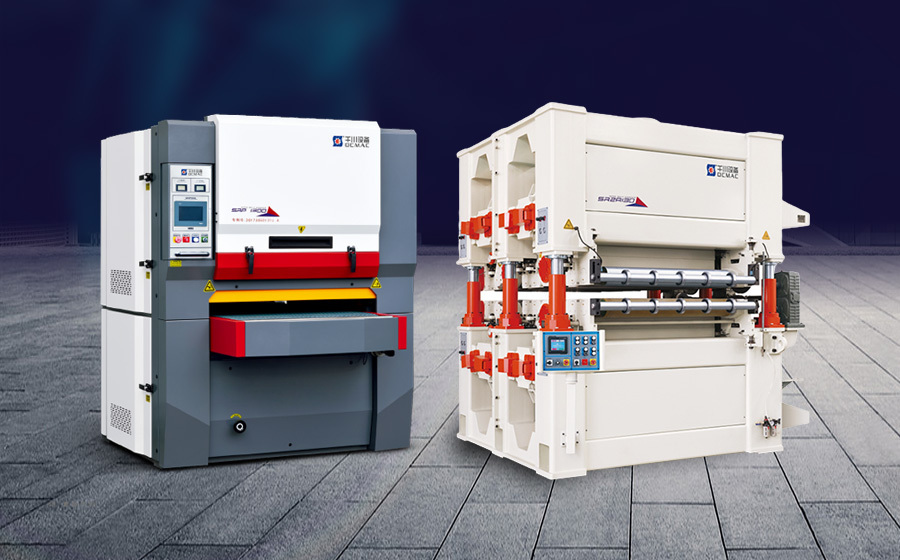
One of the primary advantages of floating thickness sanding machines is their ability to handle various materials, including hardwood, softwood, and even composite materials. This versatility makes them a preferred choice for manufacturers who require a reliable solution for different types of projects. By adjusting the machine settings, operators can achieve the desired thickness and finish, catering to specific project requirements with ease.
The floating mechanism in these sanding machines is particularly beneficial for achieving precise thickness tolerances. The floating head adjusts dynamically to the surface of the workpiece, ensuring that every section is sanded evenly, regardless of any irregularities in the material. This feature not only improves the overall quality of the finished product but also minimizes material waste, leading to cost savings in the long run.
Moreover, floating thickness sanding machines are designed with user ergonomics in mind. Many models come equipped with intuitive controls and safety features that enhance the operator's experience. With reduced vibration and noise levels, these machines contribute to a more comfortable working environment, allowing operators to focus on quality production without unnecessary distractions.
Another important aspect to consider is the maintenance of floating thickness sanding machines. Regular upkeep is crucial to ensuring their longevity and optimal performance. Operators should follow manufacturer guidelines for maintenance schedules, which typically include cleaning, checking belts, and inspecting sanding drums for wear. Proper maintenance not only extends the life of the machine but also ensures consistent performance over time.
In conclusion, floating thickness sanding machines are a game-changer in the realm of woodworking and manufacturing. Their innovative floating head design, versatility in material handling, and user-friendly features make them an invaluable asset for anyone involved in precision sanding tasks. By investing in this technology, businesses can improve their production quality, enhance operational efficiency, and ultimately deliver superior products to their clients. Whether you are a small workshop or a large manufacturing facility, the advantages of floating thickness sanding machines can help you stay competitive in today’s market.
Related News
Mastering Multilayer Board Sanding Machines: A Comprehensive Guide
In the realm of manufacturing and processing machinery, multilayer board sanding machines play a pivotal role in achieving high-quality surface finishes on various materials. These machines are specifically designed to handle multilayer boards, which are often used in the production of advanced electronic components and furniture. Understanding how to effectively operate and maintain these machine
Comparing Electric Sanding Machines: Which is Best for Calcium Silicate Boards?
Comparing Electric Sanding Machines: Which is Best for Calcium Silicate Boards? When it comes to working with calcium silicate boards, choosing the right electric sanding machine can significantly impact the quality of your finish. These boards, known for their fire resistance, moisture resistance, and sound insulation, are commonly used in construction and renovation projects. They require proper
Improving Particle Board Surface Finishing with More Consistent Sanding
best particle board sanding machine factories provide efficient equipment for smooth, consistent, and high-quality panel finishing.

QingDao QianChuan Woodworking Machinery Co., Ltd.
Tel: 400-008-0088
mailbox: sales@qianchuanshebei.cn
Add: No.10, 3Rd Wanan Road, Shibei District, Qingdao, P.R.C
Copyright©2023 QingDao QianChuan Woodworking Machinery Co., Ltd. Seo