Qingdao Qianchuan Woodworking Machinery Co. Ltd (Qianchuan for short) was founded in 1992,which is a modern professional enterprise and gathers designing, manufacturing and selling woodworking machineries.
Qingdao Qianchuan Woodworking Machinery Co. Ltd (Qianchuan for short) was founded in 1992,which is a modern professional enterprise and gathers designing, manufacturing and selling woodworking machineries.
Paint Sanding Machine for More Consistent Surface Finishing
Release time:
2026-09-28 10:14
Improving Surface Preparation in Woodworking
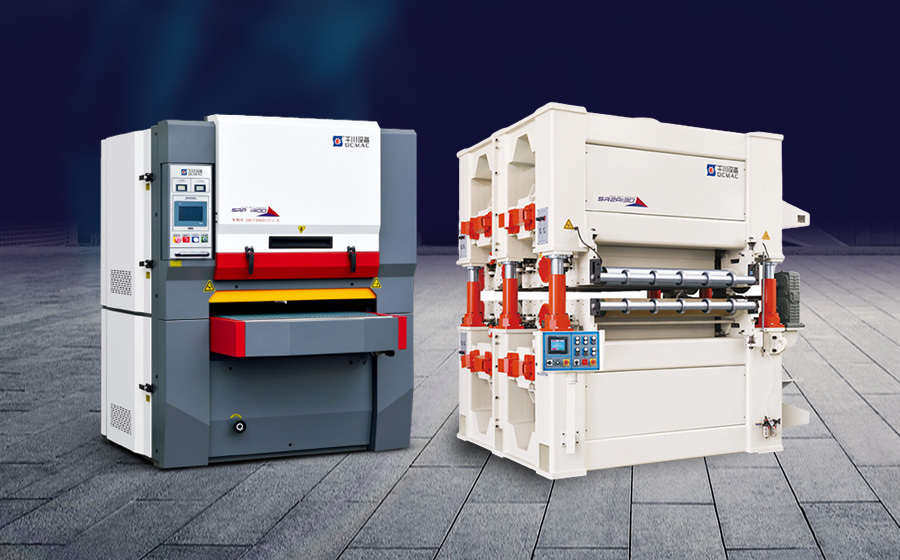
In modern woodworking and panel finishing, surface preparation has a direct influence on the appearance and quality of finished products. A paint sanding machineprovides a more controlled way to sand and polish primer-coated surfaces, helping manufacturers achieve a smoother and more consistent condition before the next finishing process. It can be applied to flat solid wood furniture, veneer panels, and certain new building materials, making it suitable for different production environments.
Why Consistent Sanding Matters
After primer coating, small uneven areas, coating irregularities, or surface imperfections may remain on a panel. If these conditions are not properly handled, they can become more noticeable after the next coating or finishing stage. Manual sanding can address these problems, but the results may vary according to operator experience, sanding pressure, working speed, and processing time.
Mechanical sanding provides a more standardized approach. By integrating sanding into the production workflow, manufacturers can reduce variations caused by repetitive manual operations and establish more consistent processing conditions for batches of panels.
Supporting Efficient Production
Production efficiency is an important concern for furniture and panel manufacturers. When sanding is completed manually, workers need to spend considerable time repeating similar movements across large quantities of workpieces. This can increase labor requirements and make it difficult to maintain a stable production rhythm.
A mechanical sanding process can reduce repetitive manual work and make surface preparation easier to organize. Operators can spend more time on material handling, equipment monitoring, quality inspection, and other production tasks instead of carrying out every sanding operation by hand.
For manufacturers handling larger orders, this can help create a more continuous workflow between coating, sanding, and subsequent finishing processes.
Suitable for Different Panel Applications
Paint sanding equipment can be used for several types of flat materials commonly found in woodworking production. Solid wood furniture panels are one important application, particularly when a primer-coated surface needs to be prepared before further coating or polishing.
Veneer panels can also benefit from controlled sanding. Because the appearance of veneer products depends heavily on surface quality, a stable sanding process can help prepare the panel for later finishing while reducing differences between individual workpieces.
The equipment can also be considered for selected new building materials that require surface treatment. This gives manufacturers greater flexibility when developing production processes for different panel materials.
Supporting Continuous Processing
Modern factories increasingly connect individual machines into coordinated production lines. Sanding does not always need to remain an independent operation. When the equipment is configured as part of a larger workflow, it can be connected with UV production lines and other related finishing processes.
This approach can help manufacturers organize material movement more efficiently. Panels can move through preparation, coating, sanding, and subsequent finishing stages according to a planned production sequence, reducing unnecessary handling between individual processes.
Improving Surface Quality
One of the main challenges in painted panel production is maintaining a consistent surface condition. Even small differences in sanding can influence the appearance of a later coating layer.
A controlled mechanical sanding process helps provide a more predictable surface before subsequent finishing. This is particularly useful for products where appearance consistency is important, such as furniture panels, decorative boards, and veneer-based products.
The objective is not simply to remove material from the surface. Proper sanding is about preparing the surface for the next stage while maintaining a suitable and repeatable finish.
Reducing Common Customer Pain Points
Manufacturers often face several practical problems when relying heavily on manual sanding. Inconsistent results, high labor requirements, slow processing speed, and difficulty maintaining stable production standards can all affect manufacturing efficiency.
A dedicated sanding machine can address these challenges through a more organized mechanical process. It reduces dependence on individual operator techniques and makes sanding easier to incorporate into a standardized production workflow.
For factories dealing with growing order volumes, this can also help reduce pressure on production teams and make capacity planning easier.
Application Example in Furniture Manufacturing
Consider a furniture factory producing large quantities of painted solid wood panels. After the panels are prepared and coated with primer, they need to undergo sanding before the next finishing stage.
With a mechanical sanding process, the panels can enter the sanding stage according to a consistent production sequence. After sanding, they can continue to coating, polishing, or other finishing operations.
This arrangement reduces the amount of repetitive manual sanding and gives the factory a clearer workflow. It can also make quality inspection easier because the surface preparation process is more standardized.
Application Example for Veneer Panels
Veneer furniture manufacturers face another common challenge: maintaining consistent surface quality across large numbers of panels. Differences in manual sanding can become visible after final coating.
Using dedicated sanding equipment allows manufacturers to establish a more repeatable surface-preparation process. This can help reduce variation between batches and provide a more stable foundation for later finishing operations.
For factories producing cabinets, decorative furniture, wall panels, and other veneer-based products, mechanical sanding can therefore become an important part of the overall finishing workflow.
Equipment Stability and Production Requirements
Industrial sanding equipment needs to withstand repeated operation while maintaining stable processing performance. Machine construction, sanding components, lifting mechanisms, material feeding, and safety arrangements all influence the overall production experience.
A well-designed sanding system should allow manufacturers to adjust the processing conditions according to different materials and production requirements. Stable machine operation can also help reduce unexpected interruptions and support more predictable daily production.
Safety is another important consideration. Material feeding systems and appropriate protective structures can help create a more controlled operating environment while materials move through the sanding process.
Creating a More Organized Finishing Process
Surface finishing involves multiple steps, and sanding is often positioned between coating and final treatment. When this stage is handled efficiently, the entire production process can become easier to coordinate.
Instead of treating sanding as a separate manual task, manufacturers can integrate it into the overall production line. This allows surface preparation to become a defined stage with clearer processing requirements and more consistent material flow.
Such an approach can be especially useful for manufacturers looking to improve production organization without changing the fundamental finishing process.
Meeting Different Production Needs
Different manufacturers have different material types, product structures, production volumes, and finishing requirements. Therefore, sanding equipment needs to fit the actual production environment rather than simply provide a single standardized operation.
For solid wood furniture, veneer panels, decorative boards, and selected building materials, the sanding process can be incorporated according to the characteristics of the material and the desired final surface.
This flexibility allows manufacturers to use mechanical sanding as part of different production strategies while maintaining a focus on surface quality and production efficiency.
Building a More Reliable Production Workflow
As woodworking production becomes increasingly automated, individual processing stages need to work together more effectively. Sanding is an important link between coating and final finishing, and its stability can influence the efficiency of the entire production line.
A suitable paint sanding system can help manufacturers improve surface preparation, reduce repetitive manual labor, and create more consistent processing conditions. For factories producing painted furniture, veneer panels, and other flat materials, this approach can provide a practical way to improve both production organization and finishing quality.
By incorporating mechanical sanding into the production process, manufacturers can move toward a more standardized workflow while addressing common problems such as uneven surface preparation, excessive manual work, and inconsistent processing results.
When it comes to paint sanding, the right sanding equipment can significantly impact the quality of your finish and the efficiency of your workflow. Understanding the various types of sanding equipment for paint sanding can help professionals make informed decisions, streamline processes, and achieve superior results.
Sanding equipment primarily includes hand-held tools and machines designed to sm