
-
About UsQingdao Qianchuan Woodworking Machinery Co. Ltd (Qianchuan for short) was founded in 1992,which is a modern professional enterprise and gathers designing, manufacturing and selling woodworking machineries.

-
-
NewsQingdao Qianchuan Woodworking Machinery Co. Ltd (Qianchuan for short) was founded in 1992,which is a modern professional enterprise and gathers designing, manufacturing and selling woodworking machineries.


News Center
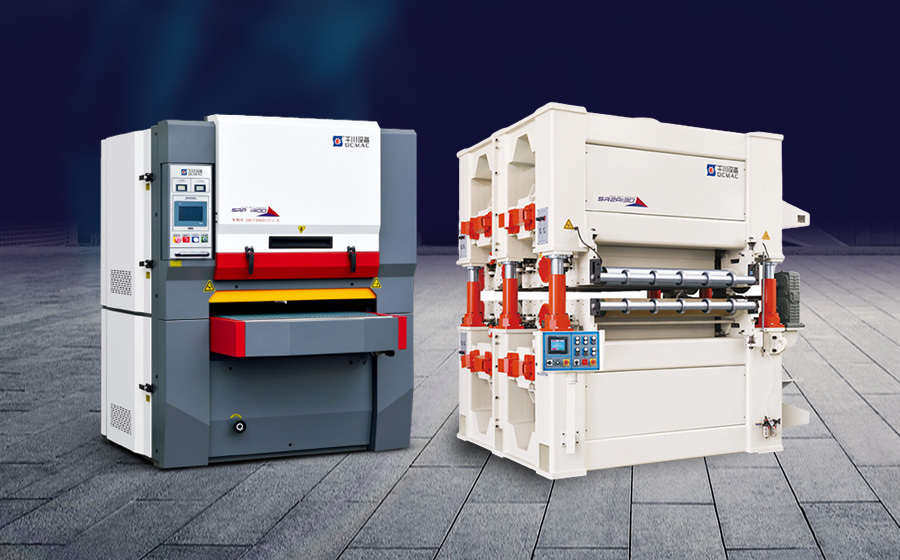
Floating Sanding Machine for Consistent Surface Finishing and Efficient Woodworking
Release time:
2026-10-27 15:51
1. Improve Surface Quality in Woodworking Production
A floating sanding machine is designed to help woodworking manufacturers achieve consistent surface finishing and controlled sanding when processing wood veneer, furniture panels, and other compatible board materials. In modern woodworking production, uneven surfaces, inconsistent sanding results, and repeated manual adjustments can affect product quality and reduce efficiency. A suitable sanding machine helps manufacturers address these challenges by supporting a more stable and repeatable processing workflow.
Surface sanding is an important stage in preparing panels for painting, coating, laminating, and other finishing operations. When the surface is not properly prepared, defects may become more noticeable during subsequent processing, leading to additional labor and material waste. By incorporating suitable sanding equipment into the production line, manufacturers can improve surface consistency and establish a more organized manufacturing process.
2. Floating Technology for More Flexible Processing
Different boards may have variations in thickness, flatness, and surface condition. A floating sanding structure can help accommodate certain material variations, depending on the machine design and working configuration. This flexibility is valuable for factories processing different batches or panel specifications, where rigid processing settings may not suit every workpiece.
With appropriate adjustment and operating parameters, the machine can help reduce uneven sanding and unnecessary material removal. Operators can select settings according to the material being processed and the required surface finish. This helps improve process control while reducing the need for frequent manual corrections. For manufacturers aiming to maintain consistent quality across multiple orders, a more adaptable sanding process can make daily production easier to manage.
3. Reliable Construction for Stable Operation
Machine structure and component quality play important roles in sanding accuracy and long-term reliability. A robust frame helps maintain stability during operation, while well-designed sanding and conveying mechanisms support consistent material movement through the working area. These factors can help reduce unwanted variation and contribute to a more predictable finishing process.
A stable machine also supports production planning. When equipment performs consistently, operators can spend more time monitoring product quality and less time addressing avoidable processing problems. Regular inspection, correct adjustment, and timely replacement of worn sanding belts remain important for maintaining performance. Proper maintenance helps protect equipment components and reduce unexpected downtime.

4. Supporting Efficient Production Workflows
A floating sanding machine can be incorporated into woodworking and panel-processing workflows according to the requirements of the production line. It may support surface preparation for furniture panels, wood-based boards, and compatible veneer materials. The specific application depends on the machine model, working width, material thickness, and required finishing result.
For example, a furniture manufacturer producing cabinet doors and decorative panels needs a consistent surface before painting or coating. If each panel requires repeated manual sanding, production can become slower and more labor-intensive. By using suitable mechanical sanding equipment, the factory can standardize the process, improve workflow organization, and reduce reliance on manual correction.
For panel-processing businesses supplying multiple customers, consistent sanding also makes it easier to manage batch quality. A repeatable process helps production teams identify problems earlier and maintain more consistent finishing standards across different orders.
5. Solving Common Sanding Problems
Uneven surface finishing, excessive material removal, inconsistent results between batches, and time-consuming manual adjustment are common challenges in woodworking. These issues can increase abrasive consumption, raise labor costs, and delay subsequent manufacturing stages.
A properly selected floating sanding machine can help address these problems through controlled sanding, suitable adjustment mechanisms, and stable material conveying. When machine settings match the material and production requirements, manufacturers can improve processing consistency and reduce avoidable rework. The result is a more efficient use of labor and materials, although actual performance depends on operating conditions, abrasive selection, and the characteristics of the workpieces.
Dust management is another important consideration. Appropriate dust extraction, regular cleaning, and routine inspection of sanding belts help maintain a suitable working environment and support stable equipment performance. Combining suitable machinery with good operating practices provides a stronger foundation for efficient production.
6. Practical Applications in Furniture and Panel Manufacturing
In furniture production, wood veneer and decorative panels often require careful surface preparation before finishing. Inconsistent sanding can lead to visible differences after coating, increasing the likelihood of rework or rejected products. A controlled sanding process helps manufacturers prepare panels more consistently and improve coordination between sanding and finishing operations.
In board-processing facilities, different orders may involve variations in panel dimensions and surface requirements. Selecting equipment that matches these needs allows the production team to establish appropriate settings for each material type. While the exact outcome depends on the equipment configuration and process parameters, reliable sanding can help businesses improve quality management and production efficiency.
Before selecting a machine, buyers should evaluate the required working width, thickness range, material type, output target, and connection with existing production equipment. Confirming these requirements helps ensure that the chosen machine is suitable for the intended application.
7. Choosing the Right Floating Sanding Machine
Choosing a floating sanding machine involves more than comparing purchase prices. Manufacturers should consider sanding accuracy, adjustment flexibility, conveying stability, maintenance requirements, and compatibility with their production workflow. The availability of technical guidance and suitable replacement components can also influence long-term operating efficiency.
With appropriate equipment selection and regular maintenance, a floating sanding machine can help woodworking businesses improve surface consistency, reduce unnecessary manual work, and establish a more reliable production process. For manufacturers focused on panel quality and efficient finishing, it offers a practical way to strengthen sanding operations and support long-term manufacturing needs.
Related News
The Essential Guide to Floating Thickness Sanding Machines: Optimizing Woodworking Efficiency
Floating thickness sanding machines are essential tools in the woodworking and manufacturing industries, designed to deliver precise sanding and finishing on a variety of materials. These machines are particularly effective in achieving uniform thickness and surface smoothness, making them invaluable for professionals engaged in high-quality production. The primary function of a floating thickness
A Comparative Review of Popular Thickness Sanding Machines in the Market
A Comparative Review of Popular Thickness Sanding Machines in the Market Introduction to Thickness Sanding Machines Thickness sanding machines play a crucial role in woodworking, allowing craftsmen to achieve smooth finishes on wood surfaces. These machines are designed to remove material from the surface of the wood, ensuring uniformity in thickness. In this article, we will explore the top thick

QingDao QianChuan Woodworking Machinery Co., Ltd.
Tel: 400-008-0088
mailbox: sales@qianchuanshebei.cn
Add: No.10, 3Rd Wanan Road, Shibei District, Qingdao, P.R.C
Copyright©2023 QingDao QianChuan Woodworking Machinery Co., Ltd. Seo