
-
About UsQingdao Qianchuan Woodworking Machinery Co. Ltd (Qianchuan for short) was founded in 1992,which is a modern professional enterprise and gathers designing, manufacturing and selling woodworking machineries.

-
-
NewsQingdao Qianchuan Woodworking Machinery Co. Ltd (Qianchuan for short) was founded in 1992,which is a modern professional enterprise and gathers designing, manufacturing and selling woodworking machineries.


News Center
Transforming Your DIY Projects with a Thickness Sanding Machine
Release time:
2026-09-12 09:30
Transforming Your DIY Projects with a Thickness Sanding Machine
In the world of DIY woodworking, precision and quality are paramount. A thickness sanding machine can be a game-changer for hobbyists and professionals alike, offering unparalleled efficiency and accuracy. This comprehensive guide will delve deep into how thickness sanders can transform your woodworking projects, from selecting the right machine to mastering advanced techniques.
Table of Contents
- Understanding Thickness Sanding Machines
- Benefits of Thickness Sanding Machines
- How to Choose the Right Thickness Sanding Machine
- Setting Up Your Thickness Sanding Machine
- Techniques for Using Thickness Sanding Machines
- Common Mistakes to Avoid
- Maintaining Your Thickness Sanding Machine
- Frequently Asked Questions
- Conclusion
Understanding Thickness Sanding Machines
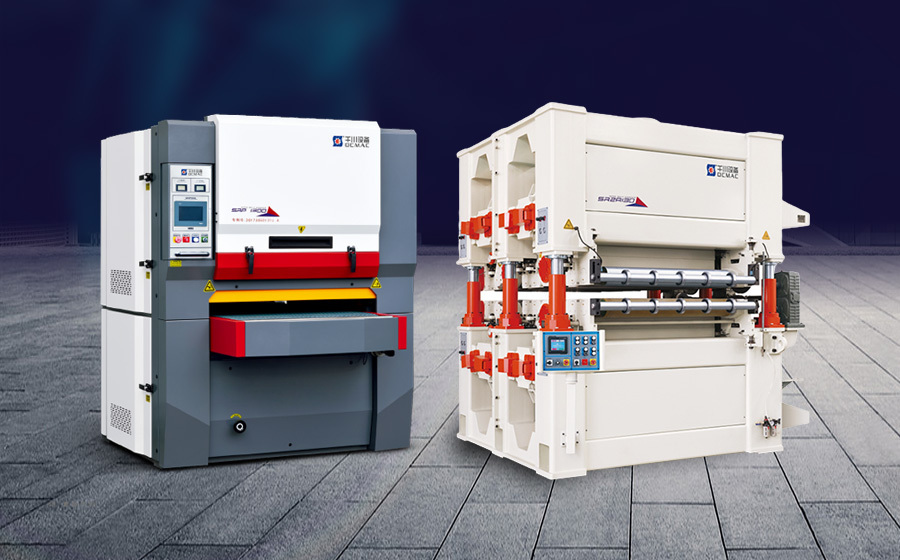
A thickness sanding machine, also known as a drum sander, is designed to smooth and finish wood surfaces to a consistent thickness. Unlike traditional sanders, thickness sanders allow for uniformity in the sanding process, making them essential for anyone looking to achieve a professional-looking finish.
The machine operates by feeding wood through a series of sanding drums that precisely remove material, allowing for the thickness to be adjusted according to project requirements. This feature is particularly beneficial when dealing with varying wood grain, density, and thickness.
Benefits of Thickness Sanding Machines
Investing in a thickness sanding machine provides numerous benefits that can significantly enhance your DIY projects:
1. Uniform Thickness Across Surfaces
Thickness sanders guarantee a consistent thickness, which is crucial when assembling multiple pieces of wood for any project. This uniformity ensures that joints fit perfectly and creates a seamless look.
2. Time Efficiency
Manual sanding can be a time-consuming process, especially for larger projects. A thickness sanding machine can dramatically reduce the time spent on this task, allowing you to focus on other aspects of your woodworking.
3. Improved Finish Quality
Using a thickness sander often results in a smoother surface compared to hand sanding or using less specialized tools. This enhanced finish allows for better adhesion of stains and finishes, resulting in a stunning final product.
4. Versatility
Thickness sanders can handle various materials, not just hardwoods. This versatility allows you to work on different projects, from furniture making to cabinetry.
How to Choose the Right Thickness Sanding Machine
Selecting the appropriate thickness sanding machine is pivotal to maximizing your woodworking efficiency. Here are key factors to consider:
1. Motor Power
Look for a sanding machine with a powerful motor, typically rated between 1.5 to 3 horsepower. Higher power allows for the sanding of denser wood types without bogging down the machine.
2. Sanding Width
Consider the width of the materials you will be working with. A wider sanding machine allows you to handle larger boards, reducing the need for multiple passes.
3. Build Quality
Opt for a machine built from durable materials that can withstand the rigors of frequent use. Steel frames and high-quality components typically ensure longevity.
4. Dust Collection Features
Effective dust collection systems are crucial for maintaining a clean workspace and prolonging the life of your sanding machine. Look for models with integrated dust ports or bags.
Setting Up Your Thickness Sanding Machine
Once you’ve selected your thickness sanding machine, proper setup is essential for optimal performance:
1. Location
Find a stable surface in a well-ventilated area for your machine. Ensure you have enough space to maneuver larger pieces of wood safely.
2. Calibration
Before using your sanding machine, calibrate it according to the manufacturer’s instructions. This step ensures that the drum is level and aligned, allowing for uniform sanding.
3. Test Runs
Conduct test runs with scrap wood to familiarize yourself with the machine’s settings and adjust the thickness according to your project’s needs.
Techniques for Using Thickness Sanding Machines
Mastering the use of a thickness sanding machine can significantly enhance your results. Here are some essential techniques:
1. Feeding Wood Correctly
Feed wood into the machine slowly and steadily. Avoid forcing the wood through, as this can lead to uneven sanding and potential damage to the machine.
2. Adjusting Thickness Gradually
When adjusting the thickness settings, make small changes to avoid removing too much material at once. Gradual adjustments help maintain the integrity of the wood and avoid potential tear-out.
3. Consistent Feed Rate
Maintain a consistent feed rate to achieve an even finish. Varying your speed can result in uneven sanding and require additional finishing work.
Common Mistakes to Avoid
To achieve the best results, be aware of these common pitfalls:
1. Neglecting Dust Collection
Failing to utilize dust collection can lead to a messy workspace and affect the quality of your finish. Always ensure your dust collection system is in place.
2. Skipping Calibration
Many users skip the calibration step, resulting in uneven sanding. Take the time to calibrate your machine properly before use.
3. Overloading the Machine
Feeding oversized or overly thick pieces of wood can strain the machine and result in poor performance. Always adhere to the manufacturer's guidelines for thickness limits.
Maintaining Your Thickness Sanding Machine
Regular maintenance is crucial for prolonging the life of your thickness sanding machine:
1. Cleaning After Use
After each use, clean the machine thoroughly to prevent dust buildup, which can affect performance. Use a vacuum or a brush to remove dust from the drums and surrounding areas.
2. Inspecting the Drums
Regularly inspect the sanding drums for wear and replace them as necessary. Worn drums can lead to uneven sanding and potential damage to your workpieces.
3. Lubricating Moving Parts
Ensure that all moving parts are well-lubricated according to the manufacturer's recommendations. This practice helps maintain smooth operation and reduces wear and tear.
Frequently Asked Questions
1. What is the difference between a thickness sander and a traditional sander?
A thickness sander is designed specifically for achieving uniform thickness across wood pieces, while traditional sanders are more versatile but may not provide the same level of precision.
2. Can I use a thickness sander on hardwoods?
Yes, thickness sanders are ideal for hardwoods due to their powerful motors and adjustable settings, allowing for efficient sanding without damaging the material.
3. How thick can I sand wood with a thickness sander?
The thickness limit varies by machine, but most thickness sanders can handle wood up to 4 inches thick. Always consult your machine’s specifications for accurate limits.
4. How often should I replace the sanding drums?
Sanding drums should be replaced when they show signs of significant wear or if they no longer produce a consistent finish. Regular inspections can help determine the optimal replacement schedule.
5. Is a thickness sanding machine worth the investment for a DIYer?
For serious DIYers who frequently work with wood, a thickness sanding machine can be a worthwhile investment, significantly improving efficiency and the quality of finished projects.
Conclusion
Incorporating a thickness sanding machine into your DIY workshop can transform the way you approach woodworking projects. With its ability to deliver consistent thickness, improved efficiency, and high-quality finishes, this tool is essential for anyone serious about their craft. By understanding the benefits, selecting the right machine, and employing proper techniques, you can elevate your woodworking to new heights. Embrace the power of the thickness sanding machine and watch your projects come to life with precision and style.
Related News
Comparing Electric Sanding Machines: Which is Best for Calcium Silicate Boards?
Comparing Electric Sanding Machines: Which is Best for Calcium Silicate Boards? When it comes to working with calcium silicate boards, choosing the right electric sanding machine can significantly impact the quality of your finish. These boards, known for their fire resistance, moisture resistance, and sound insulation, are commonly used in construction and renovation projects. They require proper
Improving Particle Board Surface Finishing with More Consistent Sanding
best particle board sanding machine factories provide efficient equipment for smooth, consistent, and high-quality panel finishing.
Floating Sanding Machine for Stable Thickness Control and Efficient Wood Panel Processing
The newest floating sanding machine china offers efficient, stable sanding for woodworking panels and surface finishing.

QingDao QianChuan Woodworking Machinery Co., Ltd.
Tel: 400-008-0088
mailbox: sales@qianchuanshebei.cn
Add: No.10, 3Rd Wanan Road, Shibei District, Qingdao, P.R.C
Copyright©2023 QingDao QianChuan Woodworking Machinery Co., Ltd. Seo