
-
About UsQingdao Qianchuan Woodworking Machinery Co. Ltd (Qianchuan for short) was founded in 1992,which is a modern professional enterprise and gathers designing, manufacturing and selling woodworking machineries.

-
-
NewsQingdao Qianchuan Woodworking Machinery Co. Ltd (Qianchuan for short) was founded in 1992,which is a modern professional enterprise and gathers designing, manufacturing and selling woodworking machineries.


News Center
Mastering Multilayer Board Sanding Machines: A Comprehensive Guide
Release time:
2026-10-07 09:10
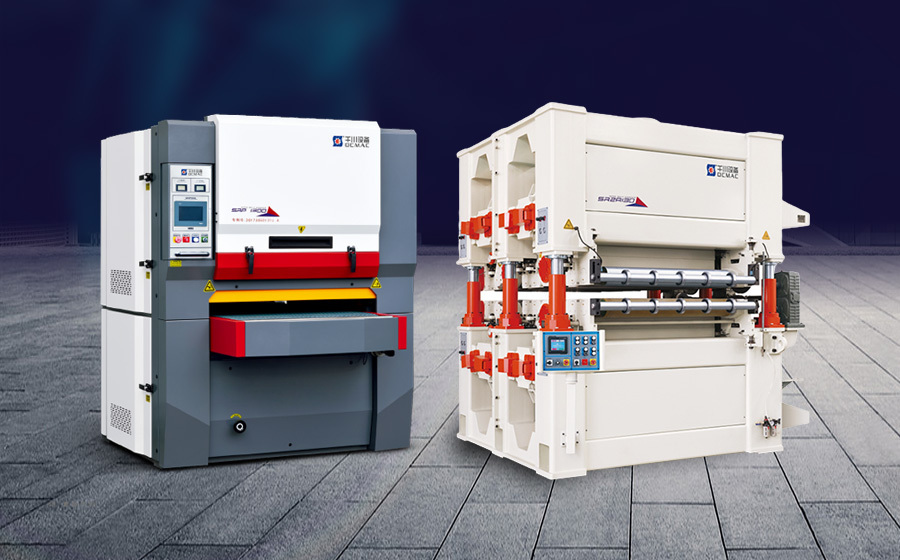
A multilayer board sanding machine is equipped with multiple sanding heads that can work simultaneously to ensure an even and consistent finish. This feature is particularly beneficial for multilayer boards, which may have varying thicknesses and materials. The precision sanding process not only smooths the surface but also prepares it for subsequent treatments, such as varnishing or laminating.
One of the primary advantages of using multilayer board sanding machines is their ability to accommodate various board sizes and materials, including wood, MDF, and plywood. Many machines are equipped with adjustable settings that allow operators to customize the sanding process based on the specific requirements of the material being used. This versatility makes them an invaluable tool for manufacturers who need to switch between different projects frequently.
To ensure optimal performance, it is crucial to maintain the sanding machine properly. Regular cleaning of the sanding belts and dust collection system prevents the accumulation of debris, which can affect the quality of the finish. Additionally, checking the alignment and tension of the sanding belts is essential to prevent uneven wear and prolong the machine's lifespan.
Operators should also be trained in best practices for using multilayer board sanding machines. This includes understanding how to adjust feed rates, selecting the appropriate sanding grit, and recognizing signs of wear on sanding belts. Proper training can lead to increased efficiency and reduced downtime, ultimately contributing to higher production output.
In conclusion, multilayer board sanding machines are an essential investment for any manufacturing facility dealing with multilayer boards. Their ability to provide a precise and consistent finish is crucial for maintaining product quality and meeting industry standards. By understanding the functionality, maintenance, and operational best practices associated with these machines, manufacturers can enhance their overall production processes and achieve superior results. As you delve deeper into the world of multilayer board sanding machines, it becomes clear that they are not just tools but integral components of a successful manufacturing strategy.
Related News
Mastering Multilayer Board Sanding Machines: A Comprehensive Guide
In the realm of manufacturing and processing machinery, multilayer board sanding machines play a pivotal role in achieving high-quality surface finishes on various materials. These machines are specifically designed to handle multilayer boards, which are often used in the production of advanced electronic components and furniture. Understanding how to effectively operate and maintain these machine
Comparing Electric Sanding Machines: Which is Best for Calcium Silicate Boards?
Comparing Electric Sanding Machines: Which is Best for Calcium Silicate Boards? When it comes to working with calcium silicate boards, choosing the right electric sanding machine can significantly impact the quality of your finish. These boards, known for their fire resistance, moisture resistance, and sound insulation, are commonly used in construction and renovation projects. They require proper
Improving Particle Board Surface Finishing with More Consistent Sanding
best particle board sanding machine factories provide efficient equipment for smooth, consistent, and high-quality panel finishing.

QingDao QianChuan Woodworking Machinery Co., Ltd.
Tel: 400-008-0088
mailbox: sales@qianchuanshebei.cn
Add: No.10, 3Rd Wanan Road, Shibei District, Qingdao, P.R.C
Copyright©2023 QingDao QianChuan Woodworking Machinery Co., Ltd. Seo