
-
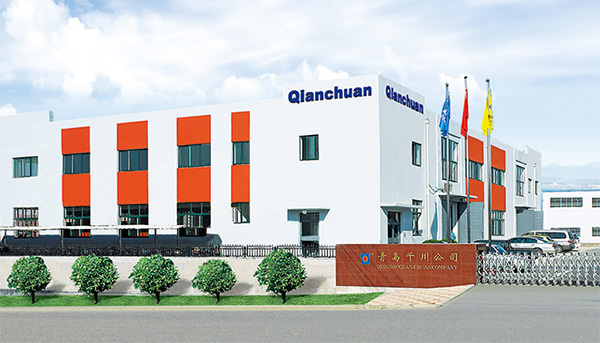
About UsQingdao Qianchuan Woodworking Machinery Co. Ltd (Qianchuan for short) was founded in 1992,which is a modern professional enterprise and gathers designing, manufacturing and selling woodworking machineries.
-
-
NewsQingdao Qianchuan Woodworking Machinery Co. Ltd (Qianchuan for short) was founded in 1992,which is a modern professional enterprise and gathers designing, manufacturing and selling woodworking machineries.


News Center
The Environmental Impact of Ecological Board Sanding Machines Explained: A Comprehensive Overview
Release time:
2026-10-12 09:10
The Environmental Impact of Ecological Board Sanding Machines Explained
Table of Contents
- 1. Introduction to Ecological Board Sanding Machines
- 2. Sustainable Practices in the Manufacturing Process
- 3. Technological Advancements and Their Environmental Benefits
- 4. Eco-Friendly Materials Used in Sanding Machines
- 5. Energy Efficiency: Reducing Carbon Footprint
- 6. Waste Management and Recycling Initiatives
- 7. Case Studies: Successful Implementation of Ecological Practices
- 8. Future Trends in Ecological Board Sanding Machines
- 9. FAQs about Ecological Board Sanding Machines
- 10. Conclusion
1. Introduction to Ecological Board Sanding Machines
The manufacturing sector is rapidly evolving, with ecological board sanding machines at the forefront of this transformation. These machines are designed to minimize waste, reduce energy consumption, and employ sustainable practices in the production of wood and composite materials. With increasing global awareness around environmental degradation, it is crucial to understand the impact these machines have on our planet.
In this article, we delve into the multifaceted aspects of ecological board sanding machines, exploring their environmental benefits, the sustainable practices they incorporate, and the innovative technologies that drive their efficiency.
2. Sustainable Practices in the Manufacturing Process
Sustainable practices are the cornerstone of ecological board sanding machines. Manufacturers are increasingly adopting methods that prioritize sustainability throughout the manufacturing process. Some of the key practices include:
Minimizing Resource Consumption
By focusing on efficient resource use, manufacturers significantly reduce their environmental impact. This involves optimizing material usage, which helps in conserving raw materials and decreasing waste generation.
Utilization of Renewable Energy
Many leading manufacturers have shifted to renewable energy sources, such as solar or wind power, to operate their machines. This transition not only lowers greenhouse gas emissions but also enhances the overall sustainability of the manufacturing process.
3. Technological Advancements and Their Environmental Benefits
The integration of advanced technologies into ecological board sanding machines has revolutionized the industry. These innovations contribute to improved efficiency and reduced environmental impact.
Automation and Precision Engineering
Automation technologies allow for precise control over the sanding process, minimizing material waste and ensuring uniform results. This precision reduces the need for additional finishing processes, further conserving resources.
Smart Sensors and IoT Integration
The use of smart sensors and Internet of Things (IoT) technology in sanding machines enables real-time monitoring of performance. This capability allows manufacturers to quickly identify inefficiencies and make adjustments to minimize energy use and waste.
4. Eco-Friendly Materials Used in Sanding Machines
The materials used in the construction of ecological board sanding machines play a significant role in their environmental impact. The following are key considerations regarding eco-friendly materials:
Recycled Metals and Components
Manufacturers are increasingly using recycled metals in the production of sanding machines. This not only reduces the demand for virgin materials but also decreases energy consumption associated with metal extraction and processing.
Biodegradable Abrasives
In lieu of traditional sandpaper made from synthetic materials, ecological machines often utilize biodegradable abrasives. These alternatives break down more easily in the environment, reducing pollution and landfill contributions.
5. Energy Efficiency: Reducing Carbon Footprint
Energy efficiency is a critical factor in the environmental impact of ecological board sanding machines. By optimizing energy use, manufacturers can significantly lower their carbon footprint.
High-Efficiency Motors
The incorporation of high-efficiency motors in sanding machines ensures that they consume less energy while delivering the same or improved performance. This advancement directly contributes to reduced emissions associated with energy production.
Variable Speed Drives
Variable speed drives allow machines to operate at different speeds depending on the task. This flexibility ensures that energy is used only as needed, further enhancing efficiency during operation.
6. Waste Management and Recycling Initiatives
Waste management is a crucial aspect of the ecological footprint of manufacturing processes. Ecological board sanding machines contribute to effective waste management through various initiatives.
Dust Collection Systems
Modern sanding machines are equipped with advanced dust collection systems that capture sanding dust at the source. This not only improves air quality within manufacturing facilities but also reduces environmental contamination.
Recycling of Wood Byproducts
Manufacturers are increasingly looking at ways to recycle wood byproducts generated during sanding. This can include repurposing sawdust for use in other products or energy generation, contributing to a circular economy.
7. Case Studies: Successful Implementation of Ecological Practices
Examining real-world examples provides insight into the successful implementation of ecological practices in sanding machine manufacturing.
Company A: Leading the Charge in Sustainability
Company A, a pioneer in ecological board sanding machines, has successfully integrated renewable energy sources into its production processes. By utilizing solar panels and wind turbines, they have achieved a 40% reduction in carbon emissions over the past five years.
Company B: Innovations in Dust Management
Company B has adopted state-of-the-art dust collection technology, resulting in a 90% reduction in airborne particles. This initiative has significantly improved workplace safety and reduced environmental pollution.
8. Future Trends in Ecological Board Sanding Machines
As the industry continues to evolve, several trends are emerging that will further enhance the sustainability of ecological board sanding machines.
Increased Adoption of Artificial Intelligence
Artificial intelligence is expected to play a larger role in optimizing sanding processes. AI-driven analytics can lead to smarter, more efficient operations, resulting in reduced waste and energy consumption.
Focus on Lifecycle Assessments
Future manufacturers are likely to conduct comprehensive lifecycle assessments to evaluate the environmental impact of their machines. This holistic approach will help identify areas for improvement and drive further innovation in sustainability.
9. FAQs about Ecological Board Sanding Machines
What are ecological board sanding machines?
Ecological board sanding machines are designed to minimize environmental impact by utilizing sustainable practices, energy-efficient technologies, and eco-friendly materials in their operation.
How do ecological board sanding machines reduce waste?
These machines incorporate advanced dust collection systems and optimize material use, significantly reducing waste generated during the sanding process.
What materials are eco-friendly for use in sanding machines?
Eco-friendly materials include recycled metals, biodegradable abrasives, and sustainable composite materials, which minimize environmental impact.
Are ecological board sanding machines more expensive?
While initial costs may be higher, the long-term savings from reduced energy consumption and waste management can make ecological machines cost-effective.
How can I identify a sustainable sanding machine?
Look for certifications, such as Energy Star or other eco-labels, and inquire about the materials used and the energy efficiency of the machine.
10. Conclusion
The environmental impact of ecological board sanding machines is profound and multifaceted. By integrating sustainable practices, advanced technologies, and eco-friendly materials, manufacturers can significantly reduce their ecological footprint while maintaining efficiency and productivity. As we move forward, embracing these innovations will be paramount in creating a more sustainable future for the manufacturing industry. By understanding and implementing these practices, we can ensure that our production processes align with the growing demand for environmental responsibility. The journey towards sustainability is not just a trend but a necessity for future generations.
Related News
The Environmental Impact of Ecological Board Sanding Machines Explained: A Comprehensive Overview
The Environmental Impact of Ecological Board Sanding Machines Explained Table of Contents 1. Introduction to Ecological Board Sanding Machines 2. Sustainable Practices in the Manufacturing Process 3. Technological Advancements and Their Environmental Benefits 4. Eco-Friendly Materials Used in Sanding Machines 5. Energy Efficiency: Reducing Carbon Footprint 6. Waste Managem
Mastering Multilayer Board Sanding Machines: A Comprehensive Guide
In the realm of manufacturing and processing machinery, multilayer board sanding machines play a pivotal role in achieving high-quality surface finishes on various materials. These machines are specifically designed to handle multilayer boards, which are often used in the production of advanced electronic components and furniture. Understanding how to effectively operate and maintain these machine
Comparing Electric Sanding Machines: Which is Best for Calcium Silicate Boards?
Comparing Electric Sanding Machines: Which is Best for Calcium Silicate Boards? When it comes to working with calcium silicate boards, choosing the right electric sanding machine can significantly impact the quality of your finish. These boards, known for their fire resistance, moisture resistance, and sound insulation, are commonly used in construction and renovation projects. They require proper

QingDao QianChuan Woodworking Machinery Co., Ltd.
Tel: 400-008-0088
mailbox: sales@qianchuanshebei.cn
Add: No.10, 3Rd Wanan Road, Shibei District, Qingdao, P.R.C
Copyright©2023 QingDao QianChuan Woodworking Machinery Co., Ltd. Seo